
How to Use Face Cream: 5 Golden Steps for Healthy Skin
Learning how to use face cream properly is essential for healthy, hydrated, and glowing skin. Many people apply face cream daily but fail to see results because they use the wrong technique or the wrong product. This complete guide explains how to use face cream step by step, how to choose the right cream for your skin type, and how to avoid common skincare mistakes.
How to Use Face Cream: A Complete Guide
Are you getting the most out of your daily moisturizer? Using the right techniques can have a big impact on how healthy and youthful your skin looks, ensuring you get the full benefits of your product. Every little thing counts, from how much you use to how you put it on.
This complete guide will show you everything you need to know about how to use face cream properly. We’ll go over the basic steps for applying creams, look at different types of creams for different needs (including specialized ones like estrogen cream and products for men), and even discuss DIY options like making your own creams and masks. Get ready to improve your skincare routine and get a healthier, more glowing complexion.
The Best Ways to Use Face Cream: 5 Golden Steps
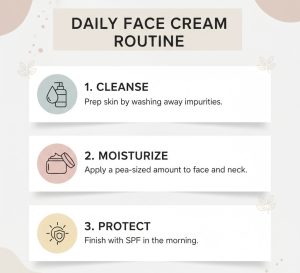
Before we get into the details of specific products, let’s discuss the proper way to apply any face cream. Following these steps will help the product work better, stop waste, and make the most of its absorption.
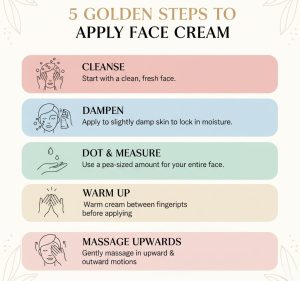
Step 1: Begin with a blank canvas.
Never put face cream on skin that hasn’t been washed. Your face picks up dirt, oil, bacteria, and other pollutants throughout the day. Applying cream on top of this layer can trap dirt and oil, leading to clogged pores, breakouts, and irritation.
Morning: Use a mild cleanser to remove the oil and sweat that built up overnight.
Evening: Use two cleansers: first, remove makeup, sunscreen, and dirt, then use a second cleanser to clean the skin itself.
After washing your face, dry it off with a clean, soft towel. Don’t rub, as this can cause extra irritation and friction.
Step 2: Put it on wet skin.
Applying moisturizer to completely dry skin is one of the most common mistakes. Your skin should be a little damp for the best absorption. You can follow these steps by applying your cream right after you wash your face, or after you spray on a facial mist or toner. When your skin is damp, it acts like a sponge, absorbing the product more effectively and keeping that extra layer of moisture in.
Step 3: Use the right amount.
More isn’t always better. Putting on too much face cream can make your skin feel greasy, stop it from absorbing properly, and cause the product to pile up. On the other hand, not using enough won’t give you enough moisture.
Use a “pea-sized” amount as a general guideline. Apply a small amount, approximately the size of a pea or a dime, onto the tips of your fingers. This is usually enough to cover your whole face and neck.
Step 4: Warm It Up
For a few seconds, rub the cream between your fingers. This simple step warms up the product, making it more flexible and easier to spread evenly over the skin.
Step 5: Apply with Gentle, Upward Motions.
It matters how you submit your application. Pulling on the skin while applying cream can cause it to sag sooner than it should. Instead, move your hands gently up and out.
- Dot the cream on your forehead, cheeks, nose, and chin in small dots.
- Massage: Start in the middle of your face and gently move the cream outward and up. Massage it into your chin, forehead, and cheeks with your fingertips.
- Be careful around your eyes: The skin around your eyes is the thinnest. Gently tap the cream around the orbital bone with your ring finger, which has the lightest touch.
- Don’t Forget the Neck: It’s one of the first places to show signs of aging. Use upward strokes to spread your application down your neck and chest.
This step is the foundation for using face cream properly, ensuring better absorption and fewer breakouts.
How to Use Face Cream at a Glance:
Step | What to Do | Why It Matters |
Cleanse | Wash your face gently | Removes dirt & oil |
Apply on Damp Skin | Moisturize slightly wet skin | Better absorption |
Use the right amount | Pea-sized | Prevents greasiness |
Warm It Up | Rub between fingers | Easier spread |
Gentle Upward Motions | Massage upward | Less skin pulling |
Why is it important to use face cream?
Face cream is essential for keeping skin healthy. Your skin is always exposed to things like pollution, UV rays, bad weather, and not drinking enough water. If you don’t keep your skin moisturized, the barrier weakens, which makes it dry, sensitive, and age faster.
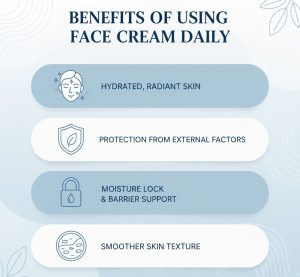
Some of the main benefits of using face cream are
- Locks in moisture and prevents water loss. Keeps water in and stops it from getting out.
- Makes the skin barrier stronger
- Keeps skin soft, smooth, and flexible
- Helps keep oil levels in check
- Helps the skin heal and grow back
- Lowers the appearance of fine lines caused by a lack of water
Using face cream every day will keep your skin safe, healthy, and strong over time. This is why learning how to use face cream daily is essential for long-term skin health.
Importance of using face cream at a glance:
Benefit | How It Helps Skin |
Locks moisture | Prevents dryness |
Strengthens barrier | Protects from damage |
Smooth texture | Softer skin |
Oil balance | Less overproduction |
Fine lines | Reduces dehydration lines |
What Are the Properties of Face Creams?
Face creams are made with certain ingredients to meet the needs of different skin types. If you know these things, you can choose the best product for you.
- Soothing Properties
Emollients fill in tiny cracks in the skin, making it smoother and softer. Shea butter, squalane, and ceramides are some of the things that fall into this group.
- Humectant Properties
Humectants pull water into the skin. Common examples include aloe vera, glycerin, hyaluronic acid, and honey.
Ingredients like hyaluronic acid are powerful hydrators. Learn how they work in our guide on niacinamide and hyaluronic acid serum.
For deeper hydration, many people add serums like this PCA hyaluronic acid serum to their routine.
- Occlusive Properties
Occlusives make a barrier on the skin that keeps moisture in. Beeswax and petrolatum are two common ingredients, especially in night creams.
- Soothing and Protective Qualities
To reduce redness and irritation, many face creams contain calming ingredients such as niacinamide, panthenol, oatmeal, or chamomile.
Properties of Face Creams
Property Type | Function | Examples |
Humectants | Attract water | HA, glycerin |
Emollients | Smooth skin | Shea butter |
Occlusives | Seal moisture | Beeswax |
Soothing | Calm irritation | Niacinamide |
What Makes a Face Cream Good?
Not all face creams work the same way. A good face cream should meet these standards:
- Ingredients That Are Good for Your Skin
Look for ingredients that have been shown to work, like
- Hyaluronic acid for moisture
- Ceramides for fixing the barrier
- Niacinamide for calming and brightening
- Vitamin E and green tea are examples of antioxidants.
- The right texture
The texture should be right for your skin type: light for oily skin and rich for dry skin.
- Non-Comedogenic Formula
If you have acne, a good face cream shouldn’t block your pores.
- Minimal Irritants
Avoid strong alcohols, excessive fragrance, and unnecessary dyes if you have sensitive skin.
Choosing a Face Cream: What to Consider
It’s important to use face cream properly, but it’s just as important to pick the right one. A good face cream protects your skin barrier, retains moisture, and helps prevent common problems such as dryness, irritation, premature aging, and dullness. But not all face creams are the same. You should choose based on your skin type, lifestyle, time of year, and any concerns. Even if you know how to use face cream, choosing the wrong formula can limit your results.
Think about:
- Is my skin oily, dry, a mix of both, or sensitive?
- Do I spend a lot of time outside?
- Do I just want to stay hydrated, or do I want other benefits like brightening or anti-aging?
Choosing the right cream for your lifestyle will give you better results and fewer skin problems.
Be aware of the season.
Your face cream should change with the weather because your skin’s needs change. Adjusting your routine seasonally is essential to using face cream effectively year-round.
In the summer:
- Use lightweight gel- or water-based creams.
- Formulas that don’t contain oil or comedogenic ingredients
- Helps keep sweat and oil in check
Winter:
- Textures that are rich, creamy, or like a balm
- Strong ingredients for fixing barriers
- Keeps skin from getting dry, flaky, and tight
Changing your face cream with the seasons helps keep your skin balanced and comfortable all year long.
Think about using a tinted moisturizer.
A tinted moisturizer is a great choice for everyday use because it can do many things at once.
Benefits of Tinted Moisturizers:
- Provides light coverage for uneven skin tone
- Hydrates the skin like a regular face cream
- Saves time by combining skincare and makeup
- Often includes SPF protection
If you want to keep your skin hydrated without wearing makeup, tinted moisturizers are excellent.
Think about getting a face cream with SPF.
One of the most important things you can do for your skin is to protect it from the sun. A face cream with SPF protects your skin from UV rays that can cause dark spots, skin damage, and early aging.
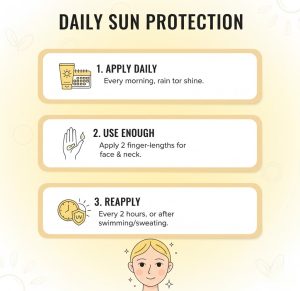
Why SPF face cream is important:
- It stops the pigmentation caused by the sun.
- Lessens wrinkles and fine lines
- Keeps skin from getting damaged over time
Choose a face cream with SPF 30 or higher that works on a wide range of skin types, and reapply it if you spend a lot of time in the sun.
Even oily skin needs face cream,
A common myth is that oily skin doesn’t need moisturizer, but that’s not true.
Why Face Cream Is Still Important for Oily Skin:
- Lack of hydration causes excess oil production.
- Proper moisturizing helps regulate sebum.
- Prevents dehydration-related breakouts
If you have oily skin, choose:
- Lightweight creams that are gel-based
- Formulas that don’t contain oil or grease
- Niacinamide and green tea are two examples of ingredients that can help.
Knowing how to use face cream for oily skin helps control excess oil rather than increase it.
Struggling with oily skin? Check out our guide on the best gel moisturizer for oily skin to keep your skin hydrated without greasiness.
Not sure whether to choose a gel or cream? Read our comparison of gel vs cream moisturizer to find the best texture for your skin.
For even more options, see our curated list of the recommended face moisturizer for oily skin that dermatologists love.
If your skin is dry, choose rich, moisturizing creams.
Dry skin requires extra nourishment and protection.
The best things for dry skin are:
- Thick, creamy texture
- Ingredients like shea butter, ceramides, and oils
- Long-lasting hydration
Put face cream on skin that is still slightly damp to prevent flaking and moisture loss.
If your skin feels tight or flaky, these products in our best face moisturizer for dry skin guide can give deep hydration.
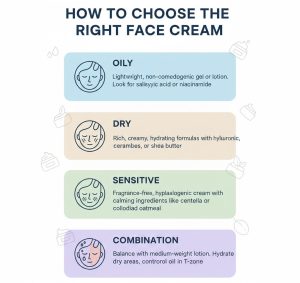
If you have sensitive skin, look for gentle creams.
Harsh ingredients, scents, and alcohol can easily irritate sensitive skin. It’s important to choose a gentle face cream to avoid redness and pain.
Best ways to care for sensitive skin:
- Use unscented, hypoallergenic creams.
- Avoid strong actions unless recommended.
- Look for ingredients that help you relax, like oat extract and aloe vera.
Before putting a new product on your whole face, always do a patch test.
For redness or irritation, check out our picks for the best face moisturizer for sensitive skin that are gentle and soothing.
Choosing a Face Cream: Quick Table
Skin Type | Best Texture | Key Ingredients |
Oily | Gel | Niacinamide |
Dry | Thick cream | Ceramides |
Sensitive | Fragrance-free | Oat, aloe |
Combination | Lightweight lotion | HA |
Disadvantages of Face Creams
Face creams can be good for your skin, but they can also cause problems if used incorrectly.
- Breakouts caused by wrong formulas
Creams that are heavy or block pores can cause acne, especially on oily or acne-prone skin.
- Reactions to Allergies
Strong preservatives and scents can cause your skin to turn red or become irritated.
- Problems with overuse
Using too much of a product can make your skin greasy, clog your pores, or cause product buildup.
- It’s not the same for everyone.
Someone else’s face cream might not work for your skin.
These problems are less likely to happen if you choose the right formula and use the right amount.
Consider exploring special face creams and treatments.
Numerous skincare products exist, each designed to address specific issues. Let’s examine some popular categories, such as DIY remedies and treatments tailored to specific issues.
Handmade Face Cream: The Best Way to Care for Your Skin
You have complete control over the ingredients when you make your own face cream. It’s a wonderful choice for people with sensitive skin or allergies, or for anyone who prefers a more natural way to care for their skin. If you’re interested in learning more, explore this detailed guide to handmade face cream and its natural skincare benefits.
A basic handmade face cream recipe often includes:
- An oil base, such as shea butter, cocoa butter, or coconut oil, is excellent for deep moisturization.
- Use a liquid such as distilled water, rosewater, or aloe vera gel to achieve a creamy texture.
- An Emulsifier: Beeswax is a common natural choice for emulsifying oil and water.
- Essential Oils (Optional): A few drops of lavender, tea tree, or frankincense can enhance the oil’s scent and provide health benefits.
How to Apply Handcrafted Face Cream:
Since they are often richer and don’t contain artificial preservatives, start with an even smaller amount, like half a pea-sized amount. To melt the natural butter and oils, rub them between your fingers until they are warm. Then, apply the mixture to damp skin and gently massage it in. Keep your homemade cream in a cool, dark place, and use clean fingers or a spatula to keep it from getting dirty.
A hydrating mask for the face at home: An Instant Moisture Boost.
A hydrating face mask at home can give your skin an instant boost of moisture when it feels especially dry, tight, or dull. These masks give you a concentrated dose of moisturizing ingredients.
You can make a simple but effective DIY hydrating mask with:
- Avocados have many fatty acids and vitamin E.
- Honey is a natural humectant that draws moisture into the skin.
- Yogurt or kefir contains lactic acid, which helps gently exfoliate and hydrate the skin.
- Oatmeal Calms irritation and helps keep the skin from drying out.
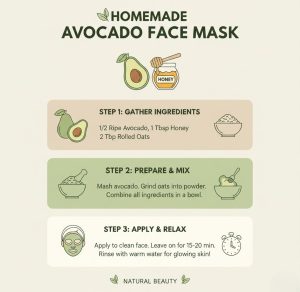
How to Make a Hydrating Mask at Home:
- Mix or mash your ingredients together until they make a smooth paste.
- Put a thick, even layer on your clean face, being careful not to get it in your eyes.
- Let it sit for 15 to 20 minutes.
- Wash your skin with warm water and dry it with a towel.
- Use your regular face cream right away to lock in the moisture.
Targeted Solutions for Specific Concerns
Estriol and Estrogen Cream for the Face: Anti-Aging with Hormones
As we get older, our estrogen levels drop, which can cause significant changes in the skin, such as loss of collagen, dryness, and thinning. Estriol face cream and estrogen face cream are both topical treatments that help counter these effects. These creams deliver phytoestrogens or bioidentical hormones directly to the skin’s receptors, signaling them to behave more youthfully.
Benefits include:
- Increased collagen production, leading to firmer skin and reduced wrinkles.
- Improved skin hydration and thickness.
- A restoration of the skin’s natural radiance.
How to Use Estrogen Cream:
Typically, a tiny, pea-sized amount is all that’s needed for the face and neck. You should use it on clean, dry skin once or twice a day. Because it’s a hormonal product, it’s crucial to follow the product’s specific instructions and consult a healthcare provider before use, especially if you have a history of hormone-sensitive conditions.
Pond’s Cream for Dark Spots: Tackling Hyperpigmentation
Hyperpigmentation, or dark spots, can result from sun exposure, acne scarring, or hormonal changes. Products like Pond’s Clarant B3 Dark Spot Correcting Cream are formulated to address this. They often contain ingredients like niacinamide (vitamin B3), which helps inhibit melanin transfer to the skin’s surface, evening out skin tone over time.
How to Use a Dark Spot Cream:
For best results, consistency is key.
- Apply a small amount directly to the dark spots or to the entire face for overall brightening.
- After cleaning, use it twice a day, once in the morning and once at night.
- Crucially, always follow with a broad-spectrum sunscreen in the morning. Sun exposure can worsen dark spots and counteract the cream’s benefits.
Dealing with dark spots? See how Pond’s cream can help in our detailed review of Pond’s cream for dark spots.
Best Face Cream for Men: Addressing Unique Skin Needs
Men’s skin is structurally different from women’s. It’s typically thicker, oilier, and has larger pores. Therefore, the best face cream for men is often formulated to be lightweight, non-greasy, and fast-absorbing.
Key features to look for in a men’s face cream:
- Lightweight Texture: Gels, lotions, or fluid formulas are often preferred over heavy creams.
- Oil-Free or Non-Comedogenic: To prevent clogging pores.
- Soothing Ingredients: Aloe vera or niacinamide can help soothe irritation from shaving.
- Multi-Purpose Formulas: Many men prefer a simple routine, so creams that hydrate and provide anti-aging benefits or SPF protection are popular.
Men’s skin needs are different. Explore the best men’s face moisturizers for fast-absorbing, non-greasy formulas.
How Men Should Use Face Cream:
The application rules are the same: apply a pea-sized amount to a clean, slightly damp face using upward motions. Pay special attention to areas that become dry or irritated after shaving. Using a face cream daily can help balance oil production, prevent razor burn, and keep skin looking healthy and youthful.
FAQs About How to Use Face Cream
1 . What is the correct way to use face cream?
The correct way to use face cream is to cleanse first, apply a pea-sized amount to damp skin, and massage upward. This method ensures you understand how to use face cream properly
2. How many times a day should I use face cream?
To get the best results, you should use face cream twice a day, once in the morning and once at night. Using it in the morning helps keep your skin safe and hydrated all day, and using it at night helps your skin repair itself and get back to normal while you sleep.
3. Can I put on face cream before or after sunscreen?
You should put on face cream before sunscreen. Wash your face first, then put on any treatment products, and finally your face cream. The last step in your morning skincare routine is to put on sunscreen. Sunscreen should always be the last thing you put on because it needs to sit on top of the skin to work.
4. Can you use the same face cream in the morning and at night?
If the cream works for your skin, you can use it in the morning and at night. But many people prefer a lighter cream during the day and a richer, more moisturizing cream at night, especially if their skin is dry or old. Night creams are usually more about repairing and deeply hydrating the skin.
5. When should I start using face cream?
There is no set age at which you should start using face cream. A light, gentle moisturizer can help keep skin hydrated and protect the skin barrier, even for teens. As you get older, your skin may need more nourishing products or ones that have extra benefits, such as anti-aging or brightening ingredients.
6. Does face cream make acne or breakouts worse?
If the face cream isn’t right for your skin type or you use it too much, it can cause breakouts. People with oily skin or skin prone to acne should use light, oil-free, non-comedogenic creams.
Taking Your Skincare to the Next Level
You now know how to apply face cream like a pro and choose products tailored to your unique needs. Whether you’re mixing up a handmade cream, tackling dark spots, or exploring hormonal anti-aging, the foundation of your routine remains the same: cleanse, treat, and moisturize correctly.
By investing just a few extra seconds into your application technique, you ensure that every drop of your chosen product works its hardest for you. Your skin will thank you with a supple, hydrated, and radiant glow. Once you master how to use face cream, every product in your routine becomes more effective.


