
Hydrating Mask for Face at Home: 5 Easy Glow Miracle DIYs
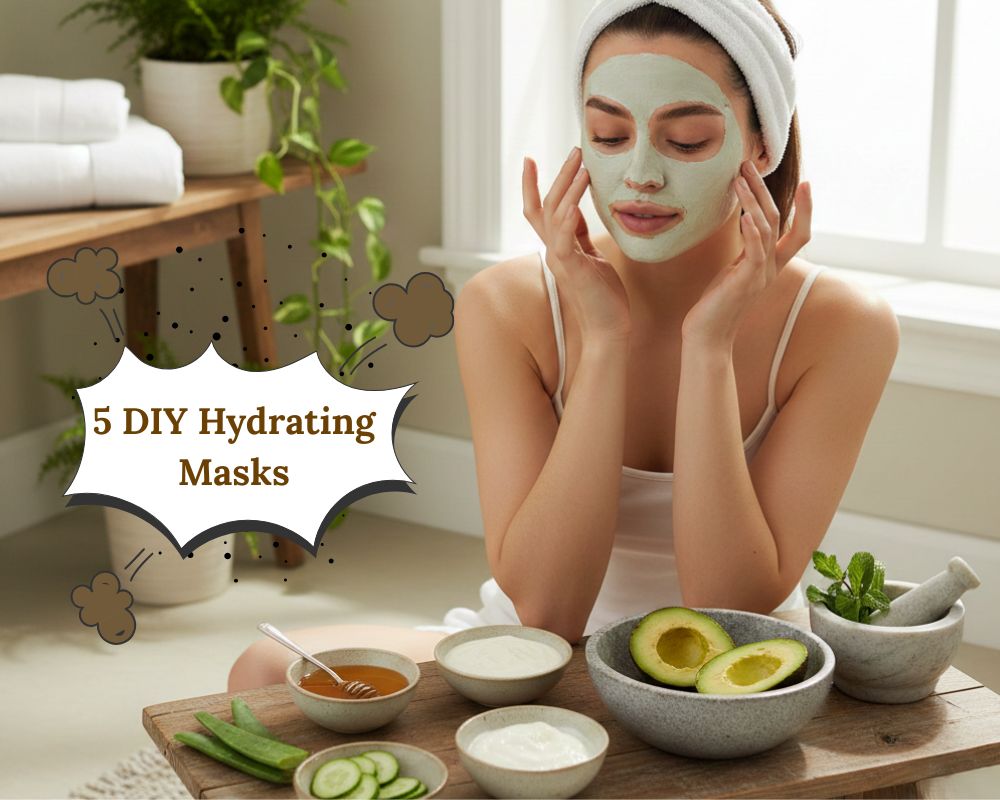
A hydrating mask for face at home can be an easy way to refresh your skin. It helps retain moisture and gives your face a healthy glow.
Dry skin is a common problem for many people, especially as the air becomes harsher and temperatures drop. An intensive moisturizing mask can help. It’s not necessary to spend a lot of money at a salon or store. These masks can be just as effective, and you’ll be able to find most of the ingredients in your kitchen.
Pamper yourself with these ingredients you probably already have on hand and see an improvement in your skin’s texture. This blog will explore various easy recipes for hydrating masks. Each recipe will provide step-by-step instructions and tips for the best results. Get ready to give your skin the love it deserves, right at home.
Introduction To Hydrating Face Masks
Hydrating face masks are a simple way to nourish your skin. These masks are made at home with simple ingredients. They also help rebalance moisture levels on your face. A moisturizing mask provides a boost for tired skin. “This is great for all skin types.
The Importance Of Skin Hydration
Skin hydration is key to a healthy glow. Dry skin can appear lackluster and lifeless. It can also cause fine lines and wrinkles. Keeping the skin hydrated helps maintain its elasticity. Hydrated skin feels soft and smooth. It also looks younger and more vibrant.
Benefits Of Using A Hydrating Mask
There are many advantages to a hydrating mask.
- It adds moisture quickly. This is an immediate skin refresh.
- It can soothe irritation. A mask that soothes redness and inflammation.
- It also improves your skin’s texture. After a while, your skin will become softer and more glowing.
- Homemade masks are also frequently synthetic-chemical-free.
- They can also be made with natural ingredients, such as honey, yogurt, or aloe vera. These help to hydrate and refresh your skin.
Regular use of hydrating masks can lead to healthier skin.
Natural Ingredients For Hydration
Create a hydrating mask at home using natural ingredients. Simple items like honey and yogurt can deeply moisturize your skin. Enjoy soft, glowing skin with this easy recipe.
Natural ingredients can elevate your skincare routine, especially for hydration. Using what nature offers is not only effective but also simple and cost-efficient. Let’s dive into two powerful ingredients that can transform your home hydrating mask into a nourishing treat for your skin.
Aloe Vera: A Hydration Powerhouse
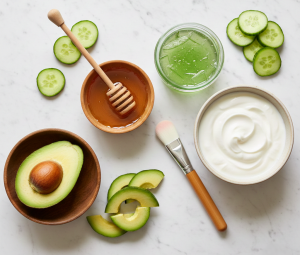
Aloe vera is commonly praised for being an extremely hydrating agent. Its jelly-like texture is rich in vitamins and minerals to calm and moisturize the skin. It is easy to take fresh aloe vera gel from the leaves.
- Just cut off a leaf and scoop the gel with a spoon.
- Apply it directly to your face.
- Let it sit for around 20 minutes. You will feel your skin drinking in the water!
Many people find that aloe vera not only hydrates but also calms irritation. If you’ve ever had sunburn, you know how immediately soothing it is. Adding aloe vera to your hydrating mask can make a noticeable difference. Have you considered using it as part of your regular skincare routine?
Honey: Nature’s Moisture Retainer
Honey is more than just a sweet treat. It’s a natural humectant, meaning it attracts moisture to your skin. Using honey in your hydrating mask can leave your skin feeling soft and plump.
- Mix 1 tablespoon of honey with your favorite carrier oil for a quick mask.
- Apply it directly to your face,
- Let it work its magic for about 15-20 minutes. You might be surprised at how your skin feels afterward—smooth and radiant!
Some people have discovered that honey is antibacterial too, which is great for anyone who struggles with breakouts. Have you made honey a part of your skincare routine? It might be the missing ingredient you’re looking for. Include one of these natural elements in your hydrating mask, and you not only lock in that moisture but also bask in the simplicity of nature. Why not give it a try? Your skin deserves the best!
Diy Hydrating Mask Recipes
Making your own hydrating mask at home is simple. You can use natural ingredients. These are nourishing and moisturizing masks for your face. Easy recipes are perfect for all skin types. Let’s explore some great options.
Avocado & Yogurt Mask For Dry Skin
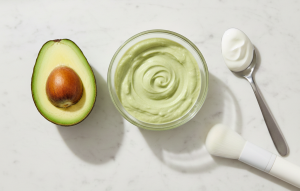
This mask is perfect for dry skin. Avocado is rich in healthy fats. The yogurt provides moisture and calms the skin. For preparing this mask, you will need :
- 1 ripe avocado
- two tablespoons of plain yogurt
Instructions:
- Mash the avocado into a creamy, smooth paste.
- Mix it with the plain yogurt.
- Apply a thin layer on your face.
- Let it sit for about 20 minutes.
- Rinse with warm water.
Your skin will feel soft and hydrated. Want to keep that glow longer? Try a homemade moisturizer to help keep skin glowing and moisturized.
Cucumber & Rose Water For Sensitive Skin
This cooling mask is ideal for sensitive skin. Cucumber cools and hydrates. Rose water calms irritation. For preparing this mask, you will need :
- Cucumber: Cucumber cools and hydrates
- Rose water: it calms irritation
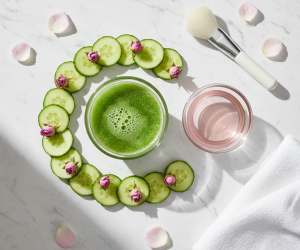
Instructions:
- Begin by pureeing half a cucumber until smooth.
- Strain to get the juice.
- Mix cucumber juice with two tablespoons of rose water.
- Apply the mixture to your face.
- Let it sit for 15 minutes. Rinse with cool water.
Your skin will feel fresh and rejuvenated.
Applying Your Hydrating Mask
It is easy to have a hydrating mask experience at home. It can help to add moisture to your skin. This is what makes your skin smooth and clean. For the most suitable results, follow these steps.
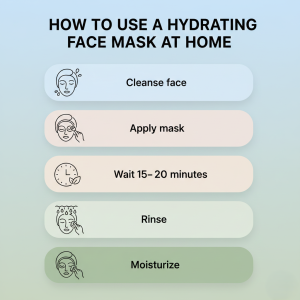
Steps For Proper Application
- Start with a clean face. Cleanse your face with a mild facial wash. Pat it dry with a soft towel. Keep your skin dry before applying the mask.
- Then apply a small amount of mask onto it. Apply with fingers or a brush. Apply the mask in a thin layer on your face. Avoid the eye area and lips.
- Keep the mask on for the time indicated on the packaging. It’s typically 10 to 30 minutes. Relax during this time. You might listen to music or read a book.
- Wash your face with warm water after the time has elapsed. Make sure to remove all the masks. Pat your face dry again.
- After rinsing, moisturize to seal in that hydration.
After masking, applying cream properly matters. See how to use face cream correctly for better hydration.
How Often To Use A Hydrating Mask
Once or twice a week, apply a hydrating mask. This will prevent your skin from becoming dry and dull. You can use it more often if you have very dry skin.
Pay attention to how your skin feels. If it appears healthy and plump, once a week. If it feels tight or dry, you can use it twice a week.
Enhancing Mask Efficacy
Taking your hydrating face mask to the next level can change your skin game. How well the mask works can depend on proper preparation and follow-up care. There are two steps you should follow:
- Pre-Mask Skin Prep
- Post-Mask Skin Care.
Pre-mask Skin Prep
Your skin should feel like a fresh canvas as you prepare it for a moisturizing mask. Begin by cleansing your face with a mild cleanser to eliminate impurities and dirt. This easy step ensures your mask is better absorbed and fully hydrated.
Exfoliation is another key step. Use a mild scrub or a chemical exfoliant to slough away dead skin cells. This gives your skin a lovely, smooth finish and helps the mask absorb properly.
Try steaming your face for a few minutes. The warm steam will open up your pores and help the mask do its thing. You’ll notice a huge difference in your mask’s effectiveness after this prep!
Post-mask Skin Care
After you’ve enjoyed your mask, don’t forget to seal in that hydration. Close your pores and seal in moisture by splashing cool water on your face. Dab your skin dry lightly with a soft towel.
Use a rich moisturiser immediately after. Seek out ingredients such as hyaluronic acid or glycerin to help lock in hydration. Your skin will be plump and refreshed.
Finally, consider using a facial oil for an extra boost. A couple of drops is all you need to build a protective shield that keeps your skin nourished all day. How does your skin feel after a full mask routine? It’s a game-changer!
Common Mistakes To Avoid
Using a hydrating mask at home can be a game-changer for your skin. But it’s easy to make mistakes that can hinder your results. Here are some common pitfalls to avoid for that fresh, glowing complexion.
Overusing Face Masks
Masks can be overused, with harmful effects. Your skin definitely needs time to recover and absorb moisture.
When I first got into hydrating masks, I assumed more was better. I smoothed one on every day, hoping to satisfy my skin’s thirst. Instead, I ended up with irritation and breakouts.
Try to use a hydrating mask 1-3 times a week. This allows your skin to reap the benefits without feeling overwhelmed. Pay attention to your skin, and it will tell you what it wants.
Ignoring Skin Type Compatibility
Not all masks are created equal. What works wonders for one skin type may wreak havoc on another.
For example, a heavy cream-based mask might clog pores if your skin is oily. People with dry skin, on the other hand, should steer clear of excessive drying masks. Be sure to check the ingredients on your mask and choose one that works best for your skin type.
Do you know your skin type? Knowing this can help you avoid wasting time and money on products that don’t work. Spend a moment discerning what your skin craves.
Selecting the right hydrating mask makes all the difference. Watch out for these common mistakes, and you’ll be on your way to radiant, glowy, and healthy skin.
If you enjoy DIY skincare, you may also like making a handmade cream for the face at home
Hydrating Masks For Different Skin Types
Hydrating masks can refresh and nourish your skin at home. Different masks suit various skin types, from dry to oily. Using natural ingredients, you can create effective treatments that improve hydration and overall skin health. Treat your skin while having a spa-like experience.
Hydrating a mask can change your skincare game. They address different skin concerns and provide a tailored solution of hydration and nutrition. Knowing your skin type is essential when selecting the appropriate mask. Here’s how to find the best hydrating masks for your individual skin needs.
Oily Skin Solutions
Those with oily skin typically battle excess sebum, which manifests as shine and blemishes.
However, hydration is still crucial. Just because you’re oily doesn’t mean your skin isn’t dehydrated; a hydrating but non-comedogenic mask can help balance without adding more oil. For masks, search for the following ingredients:
- Clay: Soaks up excess oil and hydrates the skin.
- Aloe Vera: Calms and hydrates without any greasy residue.
- Hyaluronic Acid: Draws moisture into the skin without clogging pores. Not sure when to apply it in your routine? Learn exactly when to use hyaluronic acid serum for the best results.
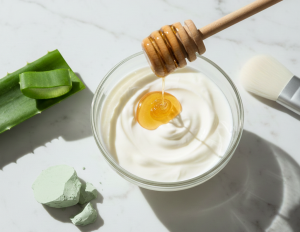
You could try a homemade yogurt mask with honey.
- Combine one tablespoon of yogurt with a teaspoon of honey,
- apply to your face,
- and leave it on for 15 minutes.
- Wash off with warm water for a cooling sensation.
If your skin still feels dry, using a natural moisturiser daily can make a big difference. Check this guide on natural face moisturisers.
Combination Skin Hydration
Combination skin can be difficult: There are often patches of dryness and oiliness. The perfect hydrating mask addresses both considerations without aggravating either. Opt for a mask that does both to help control moisture and oil. Look for products that include:
- Glycerin: Attracts moisture while being lightweight.
- Green Tea Extract: Hydrates and calms irritation.
- Niacinamide: Helps control excess oil production and brightens skin tone while improving texture.
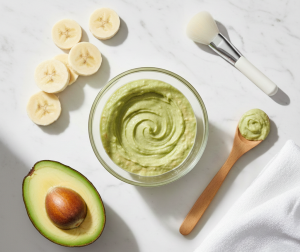
A great homemade option is a banana-and-avocado mask.
- Mash half a banana and half an avocado,
- mix them,
- apply to your face,
- and leave it on for 20 minutes.
This mask nourishes dry areas while being gentle on oilier sections. But if you land on the right hydrating mask for your skin type, it can truly help. Are there any particular ingredients you’ve tried and loved that you swear by? Everyone’s skincare journey is different, and sharing your experiences may lead others to find a new favorite!
Advanced Tips And Tricks
Looking to elevate your at-home facial game? By following these professional tips and tricks, you will greatly maximise the benefits of your hydrating mask. These tips will help you maximize your masking routine and keep your skin looking and feeling as refreshed as possible.
Layering Products With A Mask
It can be a game-changer to layer products for hydration.
- Cleanse first: gently remove dirt and makeup. This readies your skin to absorb the most.
- Then try a serum before your mask. A hyaluronic acid serum, for instance, would give an additional shot of moisture. Use it sparingly and let it soak in for a couple of minutes.
- Once your serum is set, apply your hydrating mask. Opt for a mask that is packed with ingredients such as aloe vera or glycerin. These work by attracting water to your skin and sealing it in. Nourish with a moisturizer after removing the mask. This locks in all the goodness that your mask and serum have to offer. Your skin will be smooth, plump, and intensely hydrated.
Seasonal Adjustments For Masking
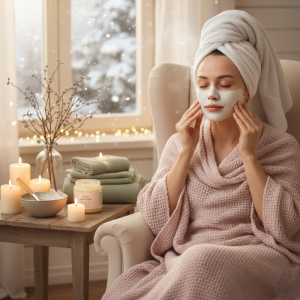
Your skin’s needs change with the seasons.
- In winter, the air is dry, and your skin may crave extra hydration. Choose a rich, creamy mask that offers intense hydration.
- In the summer heat, your skin may become oily. A gel-based mask with a light texture that can be used to hydrate and refresh without weighing you down.
Seek out soothing and cooling ingredients, such as cucumber or green tea. Watch how your skin reacts. Are you feeling dry or breaking out? Adjust your masking routine accordingly. Do you have a few standby ingredients that serve you well in seasonal transitioning? It is possible to keep your skin moisturised all year round with some small changes. Opt for what feels best to your skin, but don’t be afraid to play with it!
Maintaining Radiant Skin
Maintaining radiant skin isn’t just about occasional treatments; it’s about creating a lifestyle that prioritizes your skin’s health. A hydrating mask can work wonders, but how you use it is key. Let’s explore further what building a regular skincare routine really means and its long-term benefits.
Building A Consistent Skin Care Routine
Your skin thrives on consistency. Create a skincare regimen that includes daily cleansing and moisturizing, plus a hydrating mask once a week. Change the way your skin feels over time with this easy step!
- Cleanse: First, clear your complexion with a mild cleanser to remove impurities.
- Moisturize: Apply an appropriate moisturizer as per your skin type.
- Mask: Apply a moisturizing mask 1–2 times a week for an extra moisture boost.
Each step plays a vital role. Skipping your routine can lead to dullness and dryness. Make it a priority, and your skin will thank you.
Evaluating The Long-term Benefits
Consider how your skin feels after a hydrating mask. That instant glow is only the beginning. Over time, you’ll find your dry patches decrease,e and a more even skin tone emerges.
Consider tracking your progress. Take photos before and after using a hydrating mask regularly to compare results. You may be surprised by what you see.
Additionally, your skin can become more resilient. Consistent hydration helps combat environmental stressors and keeps signs of aging at bay. Are you ready to commit to this effective routine?
Glowing skin is a way of life, not an endpoint. With commitment and the right healthy habits, you can keep that glow for years to come. What’s your next move on the skincare journey?
FAQ’s hydrating mask for face at home
What Is A Hydrating Face Mask?
A hydrating mask is a product you apply to your skin to add moisture. It can keep your face soft and smooth.
How often should I use a hydrating face mask at home?
Use a hydrating face mask at home once or twice a week. This gives moisture without stress. Watch your skin and adjust if it feels dry.
What ingredients are best for a hydrating face mask at home?
Honey, aloe vera, and yogurt make a great hydrating face mask at home. They pull in moisture and soothe skin, and you can find them in most kitchens.
Can oily skin use a hydrating face mask at home?
Yes, a hydrating mask for face at home can help oily skin, too. Light masks with aloe or yogurt add water without oil and can balance your skin.
How long should I leave a hydrating face mask on at home?
Leave a hydrating face mask at home on for 15 to 20 minutes. This gives time to soak in. Rinse well and add cream to lock in moisture.
How To Make A Hydrating Sheet Mask At Home?
To create a hydrating sheet mask at home, mix one tablespoon of aloe vera gel and two tablespoons of coconut water. Soak a clean cotton cloth in the mixture. Squeeze out excess liquid, then place the cloth on your face for 15-20 minutes.
Conclusion
A hydrating mask at home can boost your skin’s health. Simple ingredients work wonders. Use honey, yogurt, or aloe vera. These masks are easy to make and apply. Your skin feels fresh and soft. Regular use can make a big difference.
Enjoy the process and relax. Taking care of your skin is important. Treat yourself to this self-care routine. You deserve it. Give these masks a shot, and you can see the result for yourself! Your skin will thank you for it.
Read more articles:
5 Best Recommended Face Moisturisers for Oily Skin
Cetaphil moisturizer with SPF: best 3 picks for your skin
Top 3 Best Face Moisturizers for Dry Skin
3 Best Face Moisturizers for Sensitive Skin reviewed
Gel vs Cream Moisturizer: 7 Powerful Differences (CeraVe vs Olay)


