
Is hyaluronic acid good for oily skin? best guidence
Thinking about whether hyaluronic acid is good for oily skin? The short answer is yes, HA hydrates without adding oil, making it perfect even for shine-prone complexions. From my years of testing skincare products, I’ve seen oily skin transform when lightweight hydration is added correctly. If you want balanced, plump skin without greasiness, read on to see how to make it work for you.
Is hyaluronic acid good for oily skin?
Among cosmetic products, few components attract as much interest as hyaluronic acid (HA). Usually praised as the holy grail for obtaining moisturized, plump, and youthful-looking skin, it is a mainstay in many cosmetic regimens. Those with oily skin, however, would naturally wonder if hyaluronic acid would be appropriate for their particular skin type. Can someone who battles excess oil gain from a component known for great hydration? Alternatively, is it among the items more suited for different skin types?
We must go deeply into how hyaluronic acid functions, the particular needs of oily skin, and whether the assertions regarding HA truly hold water under close examination if we are to address this subject fully.
Hyaluronic Acid
Let us first define hyaluronic acid (HA) before we discuss its fit for oily skin. Despite its frightening name, HA is a normally occurring chemical found in our eyes, connective tissues, and skin. It is quite important in keeping moisture. Given that HA can retain up to 1,000 times its weight in water, the context for its strength is really simple. Think of it as a moisture magnet delivering hydration to the skin’s outer layers.
While our bodies naturally produce hyaluronic acid, environmental stress, ageing, and pollution all lower amounts.
Here is where topical HA products, serums, moisturizers, and even sheet masks help to fill up the hole. Acting as humectants, these products stop water loss by retaining moisture in the skin.
If you’re looking for more hyaluronic acid guides, explore:
Is Hyaluronic Acid Good for Acne
When to Use Hyaluronic Acid Serum
Does hyaluronic acid plump lips?
But here’s the million-dollar conundrum for skincare aficionados with oily skin:
Do you need all that additional water? comprehending oily skin
Understanding how and why oily skin behaves the way it does will help one decide if hyaluronic acid is a blessing or a bust for that condition. Overactive sebaceous glands, which generate too much sebum, a natural oil meant to preserve the skin barrier, define oily skin. In addition to clogged pores and a tendency for acne breakouts, excess sebum can cause glossy skin.
Fascinatingly, oily skin does not always reflect well-hydrated skin. “If my skin produces so much oil, doesn’t mean it’s already sufficiently hydrated?” one would ask. The secret is found in the variations between hydration (water) and sebum oil. Oily skin can nonetheless be dehydrated, a disorder in which case the skin lacks hydration even over oil. When oily skin is dehydrated, it tells the sebaceous glands to generate even more sebum in an attempt to offset, therefore generating a vicious cycle of oiliness and dryness simultaneously.
This difference is important since oil regulators cannot be swapped out with hydrants or moisturizers. Though with solutions that don’t clog pores or aggravate greasiness, oily skin can need moisture just as much as dry skin.
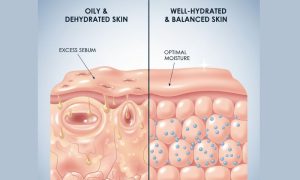
Knowing the dynamics of oily skin helps one to assess whether hyaluronic acid is suitable for this skin type.
Spoiler alert, it is. Here’s how:
- Provides Lightweight Hydration
HA gives hydration without blocking pores, unlike heavier lotions that leave a greasy behind. It locks in moisture by laying a silky, non-greasy barrier over the surface of the skin. For oily skin, this is perfect since you get the hydration your skin needs without feeling as though thick goods are stifling.
- Balances Sebum Production
Properly moisturized oily skin reduces the temptation for sebaceous glands to overproduce sebum. HA may help stop the cycle of oiliness brought on by dehydration by making sure your skin gets the moisture it needs.
- Not clogged pores that is, non-comedogenic
Many hyaluronic acid formulations are not comedogenic. Those with oily skin will not develop regular worry about acne or blocked pores.
- Calms Skin
HA’s moisturizing and calming qualities help to lower redness and irritation sometimes linked with skin prone to acne. Moreover, more resistant to outside aggressors like pollution is a well-hydrated skin barrier.
- Improves Other Products’ Effectiveness
Drawing moisture deeper into the skin enables hyaluronic acid to enhance the efficacy of other treatments. HA can stop salicylic acid or retinoids from drying your skin out too much, say, if you use them to fight acne or regulate oil.
For those with acne or oily skin, too, these advantages overwhelmingly tip the scales in favour of using hyaluronic acid in treatments for the skin. To really reap the most from it, however, the issue is not merely whether or if you should apply it but also how.
How to Select the Best Hyaluronic Acid Product for Oily Skin
Not all hyaluronic acid products are created alike, especially when it comes to oily skin. The right formulation can determine whether your skin feels, looks and responds the way you want it to when using the rest of your skincare.
Let’s break it down in a simple, conversational way so you can pick what works best for you.
- Gel vs Serum vs Cream
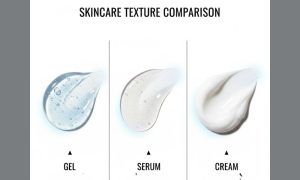
If your skin is on the oily side, then gels and serums are your BFFs. They’re lightweight, fast-absorbing and won’t leave your face shiny. Creams, on the other hand, can feel heavy and cause oily skin to appear oilier.
Think of gels and serums like a refreshing glass of water for your skin; they hydrate without smothering it.
Summary: Gels and serums are ideal choices for oily skin; they moisturize well without unnecessary oiliness.
If you’re looking for the best hyaluronic acid serum reviews, explore:
Vitamin C and hyaluronic acid serum
niacinamide and hyaluronic acid serum
- Oil-Free and Lightweight Options
always check for oil-free or non-comedogenic products. These formulas deliver moisture your skin needs without clogging pores or leading to breakouts. A lot of U.S. brands, such as Neutrogena Hydro Boost Water Gel, specifically make products for humid or dry climates in the country, making them ideal if your skin tends to get shiny in summer or dry in winter.
Summary: Choose oil-free, lightweight HA products to prevent breakouts while keeping skin hydrated.
- Multi-Molecular Formulas
Some of the more complex HA products contain various hyaluronic acid size molecules. Smaller molecules penetrate deeper, while larger ones stay on the surface for immediate hydration. This layering effect delivers long-lasting moisture without heaviness. Multi-molecular formulas have also been a U.S. favorite because they work well for both dry, indoor climates in winter and humid ones during the summer, meaning greater opportunity for those with oily skin to use it.
Summary: Multi-molecular HA formulas provide both surface and deep hydration, perfect for oily skin that needs balance.
Quick table
Formulation | Best For | Pros | Cons |
Gel | Oily, combination skin | Lightweight, fast-absorbing, non-greasy | Less moisturizing for very dry skin |
Serum | Oily, dehydrated skin | Deep hydration, can layer under moisturizer | Can be slightly sticky if over-applied |
Cream | Dry to normal skin | Rich hydration, barrier support | Can feel heavy or greasy on oily skin |
Multi-Molecular HA | All skin types, especially oily/dehydrated | Hydrates both surface & deeper layers | Usually pricier |
Oil-Free / Non-Comedogenic | Oily or acne-prone skin | Prevents breakouts, lightweigh | Limited “luxury feel” |
Compatibility with Acne-Prone Skin
If your skin tends to break out, you might wonder if hyaluronic acid will make things worse. The good news? HA alone is noncomedogenic, which means it won’t clog pores and cause acne. HA is actually one of the dermatologist-recommended treatments for acne-prone skin in the U.S. since it hydrates without adding oil. Regular use may even help soothe irritation from acne treatments like salicylic acid or retinoids.
Summary: Hyaluronic acid is a safe ingredient that can boost hydration and treat acne without leaving pimples greasy feeling.
Using Hyaluronic Acid: Strategies for Oily Skin
Although HA is usually seen as a flexible and novice-friendly substance, your usage will make all the difference. These guidelines can help to guarantee optimal outcomes for oily skin:
- Choose the Right Formulation
Not every HA product is designed equally. Look for light, water-based serums instead of heavy creams for oily skin types. Many contemporary HA products are multi-molecular, in which case they mix different-sized hyaluronic acid molecules to pass through different layers of the skin.
Brands to consider:
- For a less expensive choice, The Ordinary Hyaluronic Acid 2% + B5.
- For a hydrous gel texture, use Neutrogena Hydro Boost Water Gel.
- SkinCeuticals Hydrating B5 Gel for higher-end performance.
- Apply on Damp Skin
To maximise its hydrating properties, apply HA to damp skin. Recall that HA pulls moisture; it works best when there is water the skin can absorb. Before dabbing the serum, spritz your face with a toner or light spray.
- Layer Wisely
Seal in the hydration with HA, followed by a non-comedogenic moisturizer. Gel-based moisturizers or lightweight oil-free lotions perform best for persons with oily skin.
- Use It Morning and Night
Skincare calls for consistency. Using hyaluronic acid both morning and evening guarantees that, during recovery overnight, your skin stays hydrated all day.
- Don’t Overindulge.
While HA is undeniably gentle, overloading your skin with too many products can lead to irritation. Follow a one-hyaluronic acid product regimen.
Myths and Misconceptions
Despite its many benefits, however, hyaluronic acid has its fair share of misconceptions. Let’s clear them up:
First myth: HA Makes Oily Skin More Greasy
Oil isn’t hydration. HA doesn’t add oil, so it won’t make your skin oilier. If anything, well-hydrated skin can decrease the overproduction of sebum.
Summary: HA does not make oily skin greasy; it helps regulate oil naturally.
Second Myth: HA Dehydrates Skin
Some believe HA pulls water out of the skin in dry environments. This is only true if HA is put on dry skin with no moisturizing over the top. Applying HA on wet skin or locking it with a very mild moisturizer keeps moisture loss at bay.
Summary: Proper HA application prevents dehydration rather than causing it.
Third myth: Oily Skin Does Not Need Hydration
Even oily skin can be dehydrated. Lack of water triggers more oil production as your skin tries to compensate. HA provides water-based hydration that balances oily skin without adding shine.
Summary: Oily skin gets dry and needs hydration, too; HA tackles sub-dermal dehydration.
- Best Hyaluronic Acid Body Lotion: Top 5 Picks for Hydration
- Best Body Lotion with Hyaluronic Acid: Top 5 Amazon Picks
Alternatives to Hyaluronic Acid for Oily Skin
HA isn’t everyone’s holy grail for surface hydration. Fortunately, there are a handful of lightweight, non-greasy best alternatives:
- Glycerin
Glycerin is a humectant, just like HA, meaning it draws water to the skin without adding any oil. It performs best in hot and humid conditions as it hydrates the skin without making it feel sticky.
Summary: Glycerin is a gentle, effective alternative to HA for oily skin, providing hydration without heaviness.
- Aloe Vera
Aloe vera gel is inherently calming and moisturizing. It’s good for oily or acne-prone skin because it soothes redness and adds moisture without an oily residue. Aloe vera-based products are the favourite of many U.S. consumers in the summer as they help to feel fresh and hydrated, especially when it gets hot.
Summary: Aloe vera moisturizes and calms oily skin without the shine, perfect for sensitive or acne-prone types
- Squalane
Squalane is a light oil that mimics your skin’s natural sebum. While it’s technically an oil, it absorbs quickly and balances hydration. U.S. skincare enthusiasts love it because it works in both dry indoor winter climates and humid summer weather.
Summary: Squalane provides hydration that’s lightweight and balanced, so oily skin can feel moisturized without greasiness.
Alternatives to Hyaluronic Acid for Oily Skin: ( Quick table)
Alternative | Type | Best For | Pros | Cons |
Glycerin | Humectant | Oily, dehydrated skin | Draws water into skin, non-greasy, lightweight | Less soothing than aloe |
Aloe Vera | Plant-based gel | Oily, acne-prone, sensitive skin | Soothes, hydrates, reduces redness, non-greasy | Limited long-term hydration |
Squalane | Lightweight oil | Oily, combination, dry spots | Absorbs quickly, balances hydration, non-greasy | May feel oily if over-applied |
Potential Limitations or Considerations
Although HA is flexible, remember these factors:
Effects of Low Humidity or Dry Conditions
In dry atmospheres, HA can suck the moisture out of skin if not combined with a moisturiser. Combining it with a light-weight, non-comedogenic moisturizer solves that problem.
Summary: Pair with a moisturizer in dry climates for more intense hydration.
Sticky or Heavy Feel from Certain Formulations
Not all HA formulations are alike. A few serums that have additional thickeners or gels can feel sticky. For everyday use, a simple water-based formula will do.
Summary: Choose clean, lightweight HA formulas to avoid sticky or heavy textures.
HA Alone is Not a Cure for Acne or Oil Issues
HA hydrates but doesn’t treat acne directly. When it’s mixed with acne-fighting actives like salicylic acid or niacinamide, the results are better for oily, acne-prone skin.
Summary: HA is a hydration booster, not an acne treatment, but it complements other actives well.
FAQs About Hyaluronic Acid and Oily Skin
Q 1: Does oily skin call for hyaluronic acid?
Sure. Although its name implies otherwise, hyaluronic acid is not a powerful chemical or an oil. Ideal for oily skin, this lightweight, water-attracting molecule hydrates the skin without aggravating pores or imparting undue gloss.
Q 2: Will increasing hydration worsen my oily skin?
As it happens, the reverse is true. Dehydrated skin can overproduce sebum, or oil, to offset. Hydration from hyaluronic acid helps balance your skin, hence lowering extra oil output.
Q 3: Does hyaluronic acid set up breakouts?
Hyaluronic acid by itself does not block pores; it is not comedogenic. Examining the complete ingredient list is essential if you are having breakouts, since other components in your skincare products most likely cause them.
Q 4: How can hyaluronic acid benefit an oily-skinned person?
Drawing in and holding onto water in your skin, hyaluronic acid behaves like a sponge. In the case of oily skin, this is to moisturize without greasiness, thus giving a healthy, plumped look without shine residue.
Q 5: Does oily skin omit moisturizers if one is applying hyaluronic acid?
Not yet. Consider hyaluronic acid a magnet for hydration; the optimal benefit comes from combining it with a lightweight moisturizer to lock in that moisture. Omitting moisturizers might leave your skin feeling dry or tight.
Q 6: Should my skin be oily? Should I apply hyaluronic acid every day?
You should, indeed, use hyaluronic acid daily, in both morning and evening. It is moderate enough for regular use and fits most skincare routines.
Q 7: Will hyaluronic acid leave the skin oily or sticky?
No, hyaluronic acid has light and quick absorption. When your skin is sticky after using it, the product might contain other ingredients, causing this texture to be a problem.
Q 8: Would hyaluronic acid heal acne due to oily skin?
Although it cannot directly heal acne, hyaluronic acid maintains the skin’s hydration and balance, thereby contributing to skin health. Acne can be worsened by dry skin or healing of the skin can be delayed; thus, hyaluronic acid might be rather helpful in your regimen.
Q 9: Should I combine hyaluronic acid with another active ingredient?
Most of the skincare products can be paired nicely with hyaluronic acid. Adding oily skin with actives like salicylic acid or niacinamide will provide moisture to the skin while it treats oil production and acne, thereby boosting the effects.
Q 10: Does external dampness or dryness influence the strength of hyaluronic acid?
Hyaluronic acid acts better during humidity since it will attract moisture in the form of water into your skin. Combining air and a great moisturizer secures the highest degree of retaining water if air happens to be highly dry.
Final Thoughts
A resounding yes is the response to the central question: is hyaluronic acid beneficial for oily skin? HA is a skincare powerhouse that meets the hydration needs and oil-control requirements of oily skin types, from offering lightweight hydration to controlling oil production.
Individual experiences, nevertheless, will vary as with any skincare product. What might suit one individual might not suit another. That is why it is important to try things slowly and see how your skin responds.
If you desire to balance out your oil-prone complexion or simplify your skincare routine, incorporating hyaluronic acid could be the key. By satisfying both the desire for moisture and oil regulation, this easy yet potent ingredient bestows your skin with the TLC it so badly craves. Start slow, investigate several HA products on the market, and see how your skin’s texture, oil balance, and general health change. Recall that effective skincare is informed skincare; hence, keep your curiosity, keep researching, and above all, pay attention to your skin.
If you’re curious about choosing the right face moisturizer, check out these guides:


