
Jojoba Oil: Natural Benefits for Skin, Hair, and Body
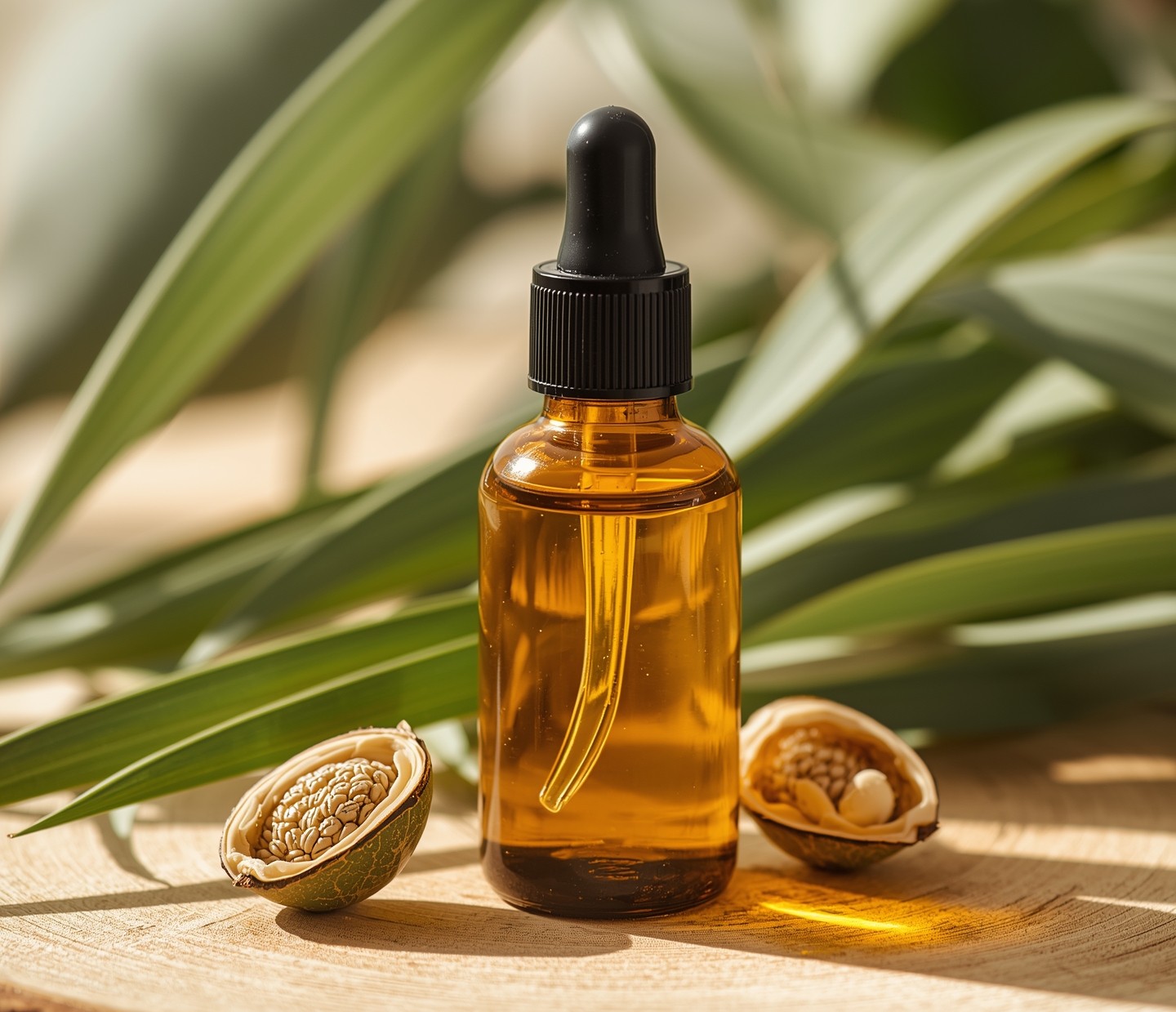
The seeds of the “Simmondsia chinensis” plant provide jojoba oil, a golden liquid. It has become an integral part of natural beauty routines worldwide. The dry parts of northern Mexico and the southwestern United States are where this unique oil comes from. It closely resembles the skin’s natural sebum, making it an effective way to keep skin hydrated, treat acne, and nourish hair.
It is a liquid wax ester, distinct from other oils. It feels light and non-greasy, so it works for all skin types. This comprehensive guide examines the history, benefits, and applications of this oil. It answers important questions, such as “Is jojoba oil non-comedogenic?” “Can it help with eczema?” and “Does it clog pores?” By the end, you’ll know how to use this powerful ingredient every day to make your skin and hair look great.
What is jojoba oil?
The jojoba plant, a hardy desert shrub, produces jojoba oil, a liquid wax. Its wax ester composition is quite close to human sebum; therefore, it blends in well with the skin. It is rich in vitamins and minerals, including vitamin E, B-complex vitamins, zinc, and copper. The cold-pressed extraction ensures that it is as pure as possible, which preserves its beneficial effects on hair and skin.
The seeds of the jojoba plant contain up to 50% oil, making them a fantastic source of this beneficial oil. It doesn’t spoil because it’s stable, and it can last for years if stored properly. Because it is mild on the skin and lasts a long time, jojoba oil is typically used in shampoos and serums.
Is Jojoba Oil a Type of Carrier Oil?
Carrier oils dilute essential oils, making them safe to use on the skin. This is one area where jojoba oil excels. It doesn’t bother the skin and stays stable, making it an excellent choice for blending with potent essential oils like tea tree, lavender, or peppermint.
This oil is ideal for creating your own skincare products, massage oils, or aromatherapy blends, as it has a long-lasting effect and works well with all skin types.
It not only makes other oils thinner, but it also has its own benefits, including hydration and calming properties. The skin. Because it is light, it absorbs quickly and delivers essential oils without leaving a greasy film. This is why it’s a favourite among both new and experienced users who want to make their own beauty products.
Put jojoba oil on your face.
Jojoba oil is excellent for skin that is dry, oily, sensitive, or prone to acne. It stops the production of oil, which helps keep your face clean and clear.

How to make good use of:
1. To clean, rub 4 to 6 drops gently into dry skin to get rid of oil, makeup, and dirt. Use a warm, wet towel to clean and moisturise your face.
2. Put two to three drops on wet skin after cleaning your face. Gently massaging your face in circular motions will keep it moisturised and give it a healthy glow.
3. Spot Treatment: Put a little on scars, warts, and dry spots to make them feel better and help them heal.
4. Enhancing Products: Add 1–2 drops to your favourite serum, moisturiser, or face mask to make it more hydrating and help the ingredients work better.
Tips:
- Check for sensitivities by doing a patch test on the inside of your arm.
- Use only a small amount to avoid excessive oiliness, especially if you have oily skin.
- Mix with other ingredients that complement it, such as rosehip oil or aloe vera, to achieve the best results.
Best for: All skin types, especially those who want to stay hydrated without feeling weighed down or those who wish to manage acne without experiencing dryness.
Is Jojoba Oil Comedogenic?
Comedogenic ratings indicate the likelihood of an ingredient clogging pores, with zero being non-comedogenic and five being highly comedogenic. Jojoba oil receives a low score of 2, indicating it is very unlikely to block pores. It can mix with the skin’s natural oils because its structure is like sebum. This makes it less likely to get plugged. If you have oily or acne-prone skin, you can use it without worrying about getting breakouts. This is because it helps balance oil production.
People with sensitive or clogged skin should keep a close eye on the results, as the skin can react differently. Buildup is less likely to happen if you use it as part of your regular cleaning routine.
Is Jojoba Oil Non-Comedogenic?
Most people can use jojoba oil without worrying about it clogging their pores. It helps control oil production by acting like sebum, which removes extra sebum and dirt from pores. This is especially beneficial for skin that is oily or prone to acne, as it adds moisture without exacerbating breakouts. However, some people may be allergic to it; therefore, it’s a good idea to conduct a patch test before using it frequently.
It can help regulate the skin’s oil levels, preventing pores from becoming clogged by excessive oil. This makes it a good alternative for individuals seeking a moisturiser that is neither greasy nor heavy.
Does jojoba oil clog pores?
Jojoba oil doesn’t clog pores because it has a low comedogenic rating and blends seamlessly with the skin’s natural oils. It penetrates deep to break down dirt, oil, and other impurities, removing blackheads and preventing acne. The mild, non-greasy finish makes it suitable for all skin types, and it can be used every day.
Use jojoba oil sparingly (2–3 drops for the face) and then thoroughly clean your face, especially if you’re using it to remove makeup, to keep your pores clear. In rare cases, using too much or layering heavy products can cause buildup, so it’s essential to use them in moderation.
Using Jojoba Oil for Eczema
Jojoba oil’s calming effects can help alleviate eczema, a condition characterised by dry, itchy, and inflamed skin.
Some of its main benefits are
Hydration: Deeply hydrates dry, flaky skin without irritating, helping to restore comfort.
Anti-Inflammatory Effects: It calms flare-ups by lowering redness and itching.
Barrier Support: Wax esters help maintain the skin’s barrier strength, keeping moisture in and irritants out.
How to Use:
- After taking a bath, apply 3–5 drops to the areas that need it to retain moisture.
- Mix with a scent-free cream to make it more moisturising.
- If you have severe eczema, consult a dermatologist to ensure the treatments you are taking are safe for you.
Supporting Evidence: Studies have shown that jojoba oil is an emollient and anti-inflammatory, which means it can help alleviate eczema symptoms by making the skin more hydrated and less irritated. It’s perfect for sensitive skin or skin prone to eczema because it is so gentle.
Jojoba Oil for Eyelashes
Many people desire long, healthy, and thick eyelashes. This oil can help. It is safe for sensitive eyelash hairs because it contains chemicals that are similar to the natural oils found in the skin. Vitamin E and B-complex vitamins are some of the antioxidants that are in it. These help keep the lash strands healthy and stop them from breaking. Additionally, it helps them grow larger over time.
How to Use It:
- A few drops of jojoba oil should be applied to a clean mascara wand or cotton swab.
- Do not press too hard on the lash line. Please do this before bed.
- Wash it off first thing in the morning to keep it from building up.
Because it is light and doesn’t block pores, it is safe for the skin around your eyes. Using it regularly can make your eyelashes look longer, fuller, and healthier. Use it on your eyelashes to keep the skin around them moist and make them thicker. This isn’t what artificial serums are designed to do.
Best for: Individuals seeking a natural, gentle eyelash conditioner that promotes growth and prevents breakage.
Jojoba Oil for Seborrheic Dermatitis
Seborrheic dermatitis is a common skin condition that causes the skin to become red, flaky, and itchy. Most of the time, it happens on the chest, face, or head. This oil can help you deal with these issues naturally. It calms sensitive skin with its anti-inflammatory properties, and its wax esters help rebuild the skin’s layers to retain moisture. It’s also easier to remove tough, flaky skin layers when you use oil on them.
How to Use It:
- Warm up some jojoba oil and gently rub it into the affected area, focusing on the head.
- Before rinsing, let it sit for 20-30 minutes. For daily use, mix it with a soft shampoo.
- Use daily to keep your skin moist and prevent flare-ups.
Researchers have found that the moisturising and balancing properties of jojoba oil can help alleviate symptoms of seborrheic dermatitis by reducing skin dryness and irritation. Because it’s so soft, you can use it every day without worrying about contracting an illness. It makes your face feel better and is beneficial for your overall health.
Best for: Individuals with seborrheic dermatitis who seek a natural approach to treating dry, flaky, or inflamed skin.
Other Benefits of Jojoba Oil
This oil can be used for more than just skin care. It can also be used on hair, nails, and body:
Hair Care: It makes the scalp healthier, reducing dryness and dandruff, and making hair shinier. For a moisturising treatment, apply a few drops directly to your scalp or mix them with conditioner.
Nail Health: Strengthens cuticles and prevents nails from breaking. For stronger, healthier nails, apply a drop to each nail bed daily.
Body Care: Heals minor cuts, soothes sunburns, and is an excellent massage oil. For all-over hydration, apply it directly or mix it with your body lotion for a more effective result.
To slow down the ageing process, it contains a high amount of antioxidants, such as vitamin E, which combat free radicals and help make the skin look younger by reducing fine lines.
Some warnings and tips
Use these tips to get the most out of jojoba oil:
Quality is important: For the best effects, choose jojoba oil that is 100% pure, organic, and cold-pressed.
Patch Test: Apply a small amount to the inside of your wrist and wait 24 hours to see if you have an allergic reaction.
For 3–5 years, it stays fresh in cool, dark places.
Do not waste: For a smooth look, apply 2–3 drops to your face and 4–6 drops to your body.
Smartly Mix: If you have acne-prone skin, use this with products that don’t clog pores to keep it clear.
FAQ:
Is jojoba oil okay for all skin types?
Yes. It’s light and doesn’t feel greasy. It also resembles natural sebum, making it safe for sensitive, acne-prone, dry, or oily skin.
Can jojoba oil block pores?
Not at all. As a low comedogenic grade (2) oil, it mixes well with skin oils and helps keep sebum production in check without clogging pores.
Can jojoba oil help get rid of acne?
Sure. It can help clear up skin by removing impurities and excess oil while regulating sebum production. This can also help with acne and stuffiness.
What can I do with jojoba oil to help alleviate my eczema symptoms?
Apply a few drops to damp skin after a bath, or mix them with a scent-free lotion for added benefits. It helps calm eczema flare-ups by keeping the skin moist and lowering swelling.
What are the other benefits of jojoba oil?
Rich in antioxidants and vitamins, this oil is beneficial for your hair, nails, and skin. It also soothes sunburn and slows down the ageing process.
In conclusion
Jojoba oil boosts hair and skin care. It effectively treats eczema, acne, and dryness by hydrating, calming, and balancing the skin. Due to its low comedogenic rating and sebum-like structure, most individuals report that it does not clog pores. Its gentleness and versatility make it essential for nature lovers. Add this oil to your daily regimen immediately. Begin with a high-quality product and consult a dermatologist for personalised recommendations to achieve optimal results.
Use jojoba oil to transform your beauty care routine!


