
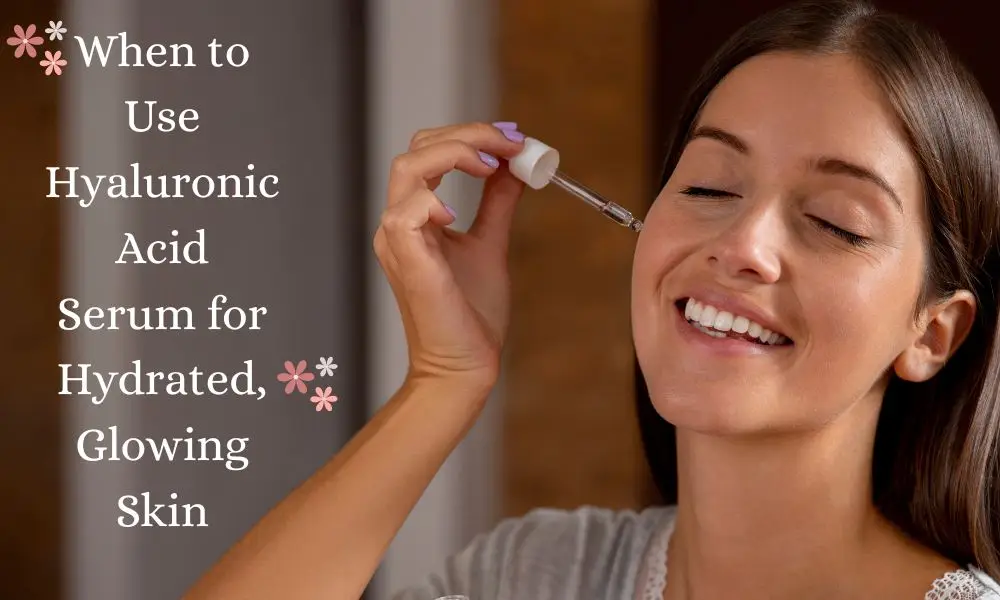
When to Use Hyaluronic Acid Serum for Maximum Skin Benefits
Hyaluronic acid is a true skincare superstar since it can hold more than 1,000 times its weight in water. This is why it is an essential part of getting skin that is intensely hydrated, plump, and radiant. Its popularity isn’t just hype; it delivers visible results.
A common question we hear is, When is the best time to incorporate it into a routine? Hyaluronic acid works even better when mixed with active ingredients like Vitamin C, Niacinamide, Retinol, and Tretinoin, which you can only get with a prescription. Hyaluronic acid works best when combined with other potent ingredients. This guide will show you when and how to do that.
When to Use Hyaluronic Acid Serum
It’s essential to know the right time and way to use this hydrating hero to get the most out of it. Let’s talk about when to use a hyaluronic acid serum to achieve that healthy glow everyone wants.
Use in the Morning or at Night
The best part is that hyaluronic acid is safe to use both morning and night.
- Morning Use: Applying it in the morning helps your skin stay hydrated all day. It acts as a continuous drink of water for your skin, protecting it from the dehydrating effects of air conditioning, heating, and environmental pollution. It creates a smooth, hydrated canvas for makeup.
- Nighttime Use: Putting it on at night helps your skin’s natural healing process. Your skin heals itself as you sleep. Hyaluronic acid makes this process work better by keeping your skin hydrated longer, helping repair the moisture barrier, and making your skin smoother and fuller by morning.
Using it twice a day is best for getting the most moisture.
Step-by-Step Application Order
The order in which you put on your skincare products is essential. For hyaluronic acid, the golden rule is to use it to dampen skin. Hyaluronic acid is a humectant, which means it pulls moisture from the air around it. Applying it to a dry face can cause it to draw moisture from the deeper layers of your skin, which can have the opposite effect and lead to more dryness.
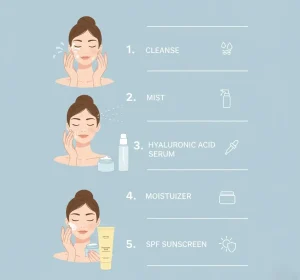
Here’s the correct step-by-step order:

- Cleanse: Start with a clean face. Get rid of grime, oil, and makeup with a gentle cleanser.
- (Optional) Toner: If you use toner, apply it now.
- Dampen Skin: Use a moisturising facial spray or water to dampen your face lightly. After washing your face, you can also leave it a little wet.
- Apply Hyaluronic Acid Serum: Put 2–3 drops on your hands, then gently pat it onto your damp face and neck.
- Put on other serums: If you’re applying more than one serum, do so now. The following sections will go into more detail on the rules for layering.
- Moisturise: Moisturising is essential! Use your preferred moisturiser after that to lock in the hyaluronic acid and all the moisture it brings. A moisturiser prevents moisture from evaporating by forming a barrier.
- Apply SPF (Morning Routine): In the morning, always finish with a broad-spectrum sunscreen with SPF 30 or higher.
Frequency of Use and Adjusting for Skin Type
Hyaluronic acid is generally well-tolerated by all skin types.
- For Normal to Dry Skin: Can typically benefit from using it twice daily, in the morning and at night.
- For oily to combination skin, once a day may be plenty. You can try several things to determine what works best. If your skin feels overly sticky or wet, cut back to once a day.
- For Sensitive Skin: Since it’s a substance naturally found in the skin, it’s usually non-irritating. However, it’s always smart to patch-test a new product first.
Common Mistakes to Avoid
- Applying to Dry Skin: This is the most frequent mistake. Always ensure your skin is damp first.
- Not using moisturiser: Hyaluronic acid can draw water into your skin, but without a moisturiser on top, that water can evaporate, making your skin feel tighter than before.
- Using Too Much: A little bit goes a long way. Putting on too much can leave a sticky, tacky residue without providing any additional benefits.
Combining Hyaluronic Acid with Vitamin C
Hyaluronic acid and vitamin C are a traditional combination for getting skin that looks bright and healthy. This duo works together to target different concerns, resulting in healthier-looking skin.
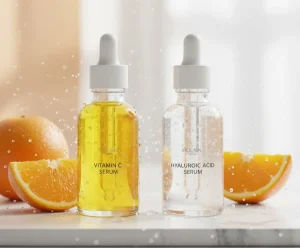
Why It’s a Powerful Duo
So, can I use hyaluronic acid with vitamin C? Yes, and you absolutely should! This pairing is a favourite among dermatologists.
- Vitamin C is a powerful antioxidant that brightens the skin, helps fade dark spots, and protects against environmental damage.
- Hyaluronic acid is the ultimate hydrator, plumping the skin and smoothing the appearance of fine lines.
Using a vitamin C and hyaluronic acid serum together gives you comprehensive benefits. Vitamin C improves your skin’s tone and texture, while hyaluronic acid delivers a surge of moisture, making your skin look and feel supple and radiant.
Correct Order of Application
To maximise effectiveness, apply your products from the thinnest to the thickest consistency. Vitamin C serums are typically formulated at a lower pH to remain stable and should be applied first.
- After cleansing, apply your vitamin C serum to dry skin.
- Please wait a minute for it to absorb fully.
- Mist your face with water to dampen it.
- Apply your hyaluronic acid serum.
- Finish with your moisturiser and sunscreen.
When to Use
You can use this mix every morning because it is mild enough. Vitamin C’s antioxidant properties are suitable for your skin during the day since they help protect it from UV and free radical damage. For a simple and effective morning routine, pair this duo to start your day with a glow.
Morning Routine Suggestion
This combination is perfect for a morning routine because vitamin C’s antioxidant properties help protect your skin from environmental aggressors during the day.
- Cleanse: Gentle Cleanser
- Treat: Vitamin C Serum
- Hydrate: Hyaluronic Acid Serum (on damp skin)
- Moisturise: Your favourite daily moisturiser
- Protect: Broad-Spectrum SPF 30+
Check out The Ultimate Guide to Vitamin C and Hyaluronic Acid Serums.
Hyaluronic Acid with Tretinoin or Retinol
Retinoids, including over-the-counter retinol and prescription tretinoin, are the gold standard for anti-ageing and acne treatment. However, they are known for causing dryness, irritation, and peeling—often called “retinization.” This is where hyaluronic acid becomes an essential supporting act.
Why Retinoids Make Skin Itchy
Retinoids speed up the process of skin cells dying and being replaced. This quick exfoliation might damage your skin’s moisture barrier, leading to water loss, flakiness, and increased sensitivity.
How Hyaluronic Acid Works: Calm the Skin
When you use tretinoin and hyaluronic acid together, it can make the adjustment period much easier. Hyaluronic acid helps in the following ways:
- Counteracting Dryness: It replenishes moisture that retinoids can deplete.
- Helping the Skin Barrier: Keeping the skin moist helps strengthen the barrier, making it less likely to become irritated.
- Soothing and calming: The plumping moisture makes skin feel better and less tight.
If you want a detailed guide on this combo, read: Retinol Before or After Hyaluronic Acid?
The correct order of use
When deciding whether to use retinol before or after hyaluronic acid, the goal is to reduce the risk of discomfort without compromising the retinoid’s effectiveness.
The ideal way is to use retinoid → hyaluronic acid → moisturiser.
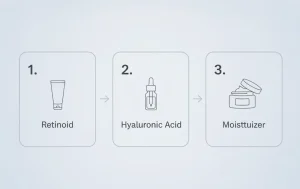
- After cleansing, wait for your skin to be dehydrated. Applying retinoids to dry skin can increase penetration and lead to more irritation.
- Apply a pea-sized amount of your tretinoin or retinol.
- Wait 20-30 minutes for it to absorb.
- Use a face mist to dampen your skin.
- Put on your hyaluronic acid serum.
- Next, use a thick, moisturising cream.
Advice for Beginners and Those with Sensitive Skin
Try the “sandwich method” if you are new to retinoids or have highly sensitive skin. Put on a light layer of moisturiser. then your retinoid, then another layer of moisturiser. You can also apply hyaluronic acid serum before your retinoid to create a hydrating buffer. Once your skin has acclimated, you can switch to the standard application order.
Is Hyaluronic Acid Good for Acne?
A lot of people think that people with acne-prone skin need to dry it out. In fact, dry skin often produces excess oil to compensate, which can lead to more breakouts and clogged pores. So, is hyaluronic acid suitable for treating acne? Yes, it is a great choice.
It keeps your skin moist without blocking your pores.
Hyaluronic acid gives your skin moisture without adding oil. It won’t clog your pores because it doesn’t cause acne. This lets you keep your skin moist and helps it recover without worrying about worsening the congestion.
Benefits for skin that is oily or prone to acne
Hyaluronic acid can help control sebum production by keeping the skin properly hydrated. Furthermore, many potent acne treatments (like salicylic acid and benzoyl peroxide) can be harsh and drying. Using hyaluronic acid helps repair the skin barrier after these treatments, reducing irritation and promoting a healthier complexion that is less prone to breakouts.
Full acne guide here: Is Hyaluronic Acid Good for Acne?
Hyaluronic Acid and Niacinamide Together
Hyaluronic acid and niacinamide work well together, too. Both are gentle, water-based, and work on different but related skin problems.
Why This Mix Makes Your Skin Look Better and Hydrated
I’m still not sure if I can use niacinamide and hyaluronic acid together. This pair is definitely a dream team for achieving clear, balanced, nourished skin.
- Niacinamide, often known as vitamin B3, is a valuable component that helps control oil, make pores look smaller, reduce redness, and even out skin tone.
- Hyaluronic acid is all about giving you pure moisture.
A niacinamide and hyaluronic acid serum routine gives you both refinement and moisture. The result is skin that looks smoother, brighter, and feels perfectly balanced.
The Best Way to Apply
Because they are both water-based, the order might change. But one fantastic approach to layering is to apply hyaluronic acid to damp skin first, creating a hydrated base. This can help niacinamide penetrate your skin more effectively.
- Cleanse and mist your face.
- Apply hyaluronic acid serum.
- Apply your niacinamide serum.
- Seal everything in with a moisturiser.
This combination can be used once or twice daily.
best niacinamide with hyaluronic acid serum to try
- BYOMA Brightening Serum: This serum contains niacinamide and hyaluronic acid, which brighten and hydrate the skin. Its unique ceramide complex helps restore the skin barrier.
- The Ordinary Serum Favourites Set: This popular set often includes Niacinamide 10% + Zinc 1% and Hyaluronic Acid 2% + B5, so you get both essentials in one easy-to-use box.
- 5% Niacinamide Serum from Minimalist: This serum is excellent for beginners or people with sensitive skin. It addresses acne spots and uneven skin tone while providing your skin with a bit of nourishment.
Best Hyaluronic Acid Serums to Try
Choosing a serum with a good formula can make all the difference. PCA SKIN is a brand created by dermatologists, known for making skincare that works and is backed by science. If you want a high-quality PCA hyaluronic acid serum, their line has advanced formulas that work better.
1. PCA SKIN Hyaluronic Acid Boosting Face Serum
This sophisticated serum has three levels of hydration that work right away and over time.
2. PCA SKIN Overnight Face Mask
For an intensive dose of moisture while you sleep, this mask is an ideal anti-aging and brightening treatment.
3. PCA SKIN Lip Plumper Serum
Don’t neglect your lips! This treatment uses the power of hyaluronic acid to restore volume and hydration.
Explore more details here: PCA Hyaluronic Acid Serum Guide
Last but not least, here are some tips for layering hyaluronic acid effectively.
Follow these easy tips to get the most out of your hyaluronic acid serum:
- Please put it on wet skin. This gives the serum the water it needs to keep your skin’s surface moist.
- Always follow up with moisturiser. This is a non-negotiable step to lock in all that hydration.
- Use SPF. If you are using hyaluronic acid in the morning, especially with vitamin C or after a nighttime retinoid routine, sunscreen is essential to protect your skin.
- Avoid mixing too many actives at once. Introduce new products one at a time to see how your skin reacts and to avoid overwhelming your skin barrier.
FAQs
When should I apply hyaluronic acid in my routine?
Please put it on after cleaning and toning, but before your moisturiser. For it to work well, you need to put it on damp skin.
Can I use hyaluronic acid every day?
Yes, you can use hyaluronic acid every day, in the morning and at night.
Can I put hyaluronic acid on after retinol?
Yes. Hyaluronic acid can help calm and moisturise the face after retinol, which can otherwise dry it out. This is a really good mixture for keeping your skin barrier healthy.
Does hyaluronic acid help get rid of acne scars?
Hyaluronic acid can help make atrophic (indented) acne scars look better by filling in the skin, making the indentations less apparent. But it doesn’t eliminate or permanently treat the scar tissue itself.
Can I use hyaluronic acid with other serums?
Yes, it works well with most other serums, such as vitamin C, niacinamide, and peptides. It works well with any skincare program.
In conclusion
Hyaluronic acid is a simple ingredient that can be used in almost any skincare routine and is generally suitable for your face. You can get the most out of it if you know when and how to use it: on damp skin, sealed with a lotion, and paired with actives that work well together.
It works best when combined with vitamin C to make your skin brighter, with retinoids to help fight ageing, or with niacinamide to keep your skin balanced and clear. You can get the best skin you’ve ever had by choosing the right serum and applying it correctly.
Are you ready to step up your skin care routine? One of the hyaluronic acid serums above has been recommended by dermatologists.


