
The Ultimate Oily Skin Care Routine for Men: 2 best routine
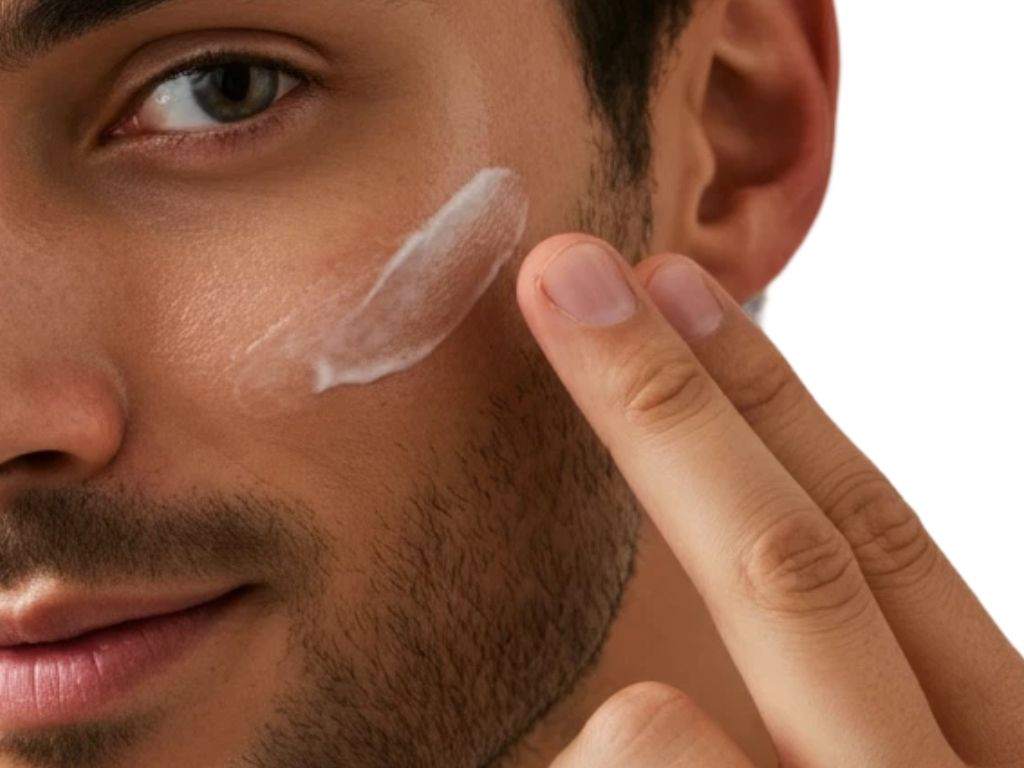
Men usually ignore the requirement of a customized skincare regimen. But if you have oily skin, you need to take the time to make and stick to a strict skincare routine to keep your face clear, fresh, and healthy. This book talks about oily skin, how to tell the difference between oily and normal skin, and the best way for guys to take care of acne, oily skin, and clogged pores while still keeping their skin in balance.
“Learn Oily Skin Care Routine for Men! Learn how to maintain confident, shine-free, and healthy skin especially if you have oily skin.”
Oily Skin Care Routine for Men:
Knowing Men’s Oily Skin
Men often worry about oily skin, mostly related to environmental and biological elements. Usually having higher testosterone, men stimulate sebaceous (oil) glands to produce more sebum. Although sebum helps to preserve skin moisture and protection, an excess can lead to issues including:
- Men are more prone to breaking out from acne since greater oil offers the perfect home for acne-causing bacteria.
- Clogged Pores: Oily skin is more prone to retain dead skin cells and dirt in the pores, hence producing blackheads and enlarged pores.
- Polished Skin: Although the perpetually shiny appearance can irritate others, it can also make skin seem unattractive and greasy.
Having oily skin does not mean one cannot look good. Managing extra oil is possible with the correct skincare routine made especially for this skin type.
Know what kind of skin you have.
You need to make sure you do have oily skin before you can start a good skincare routine. How to do it: Signs That a Man Has Oily Skin
- A Shiny Look: You washed your face, but your skin still looks shiny, especially in the T-zone (forehead, nose, and chin).
- Typical problems are whiteheads, blackheads, and acne.
- oily Feeling: A few hours after washing, your face feels sticky or oily.
- Enhanced Pores: Particularly around the nose, enlarged pores become more obvious.
- Quick Oil Build-Up: Despite the best attempts to regulate it, your skin quickly gets greasy all through the day.
How to Test Blotting Sheets If you want to quickly tell if you have oily skin, press blotting paper against different parts of your face about an hour after washing it. Most likely you have oily skin if you find oil on the blotting paper, particularly from several spots.
Knowing your skin type now will help you to take charge by creating a disciplined oily skincare regimen.
Why is a skincare routine very essential for oily skin?
A well-done skincare regimen treats, balances, and strengthens your skin, not only addresses surface shine. Designed for oily skin,
- it reduces acne and breakouts;
- controls sebum production;
- keeps pores clean and unclogged;
- produces a matte, healthy texture and appearance.
Based on the information provided, here is your detailed guide for properly caring for oily skin. Methodically Step-by-Step Men’s Oily Skin Care Ritualistic Approach
Morning Routine
1. Oil-Free Cleanser:
Starting your day with a mild, foamy cleanser free of oil will help to eliminate extra oil without stripping your skin. Look for goods marked “non-comedogenic,” meaning they won’t block your pores. Steer clear of strong scrubs first thing in the morning.
Using lukewarm water to wash your face will help prevent inflammation.
2. Toner (alcohol-free):
A lightweight toner, especially for oily skin, helps close pores and restore balance. Ingredients like salicylic acid or witch hazel can help your skin appear matte by reducing oil production.
3. oil-free moisturizer with SPF’s:
Even if you have thick skin, you need to moisturize. Choose a light, oil-free lotion with SPF 30 or higher to keep your skin hydrated and protect it from the sun.
Why SPF? UV light can cause discolouration or early ageing, and can also aggravate oil production.
night Routine
- Deep Cleanser:
Use a deep cleaner at the end of the day to remove dirt, grease, and other daily contaminants. Choose one intended especially for oily skin, much like your morning cleanser.
- Two to three times a week, exfoliate.
Clear your pores and slough off dead skin cells using a mild exfoliant. Search for exfoliators containing glycolic or salicylic acid to effectively clear buildup without aggravating skin.
Alert: Don’t overdo it; too frequent exfoliation can peel your skin and trigger even more oil production.
- Night Moisturizer or Serum:
Applying a non-comedogenic night moisturizer or serum will help your skin be nourished, and problems like acne or uneven skin texture will be addressed during sleep. For balanced, relaxing effects, look for products like tea tree oil or niacinamide.
optional extras to enhance your daily practice
Looking to raise the stakes? These few optional but powerful additions to your oily skin care regimen will help:
- One to two times a week, clay masks help your pores to detoxify extra oil.
- Blotting Papers: Save these for daily touch-ups that call for speed. A T-zone sweep can quickly reduce gloss.
- For retinol, start slowly (once or twice a week) to avoid itching. Use a retinol treatment at night to control oil production and reduce breakouts.
How to Avoid Common Mistakes Even if you want to take the best care of oily skin, there are some risks:
- When you wash your face too often, your skin can lose its natural oils, which can make it make even more sebum as a defensive response.
- Many men with oily skin believe they may forego this round of treatment. Ignoring hydration, though, might cause your skin to become dry and produce more oil.
- Steer clear of alcohol-heavy products or those with pore-clogging components like mineral oil using harsh or comedogenic goods. These irritate and aggravate acne.
4 Not Using Sunscreen: - Not using sunscreen may not seem like a big deal, but not using it can lead to dark spots, early aging, and other skin problems.
More Tips for Dealing with Oily Skin Skincare is only one piece of the game when it comes to holistically treating oily skin. These more tips will help you stay balanced:
- Eat foods high in omega-3 fatty acids, like salmon, walnuts, and flaxseed, to help lower inflammation. Plus, drink plenty of water. Also, drink a lot of water all day to stay hydrated—healthy skin is well-hydrated skin.
- Frequent Movement
Exercise increases circulation, which feeds skin cells and supplies more oxygen to the surface. Still, always wash your face after exercise to avoid oil and sweat accumulating from closing your pores. - Stress Reduction
Stress might set off hormonal changes that speed up oil production. Add stress-busting exercises including yoga, meditation, or just scheduling downtime. - See a skinologist.
It could be time to see a professional if you have acne, greasy skin that won’t go away even with a disciplined schedule or inflammation. A dermatologist might write prescriptions for drugs to target particular issues or suggest specialist treatments like chemical peels.
Reflections on Men’s Oily Skin Care
Controlling oily skin doesn’t have to be an array. Understanding your skin’s particular needs and keeping a regular, disciplined schedule will help you to get better, healthier skin and quickly lower extra oil.
Recall that looking after your skin is an investment in your confidence and general well-being. See obvious changes by following the above-described guidelines and avoiding common blunders. If you’re ready to improve your skincare regimen, don’t hesitate to investigate dermatologist-recommended items for increasing your outcomes.
Start now and notice how different your skin will be tomorrow!
Often asked questions (FAQs) concerning men’s oily skin treatment
1. Why might males have oily skin?
Most of the time, men with oily skin have higher testosterone levels, which tells the sebaceous glands to make more oil. Other things, like nutrition, worry, changes in hormones, and the environment, can also have an effect.
2. In what ways might toning benefit oily skin?
Toners assist seal pores, controlling the pH of your skin, and reducing oil output. Search for toners free of alcohol using salicylic acid or witch hazel as calming agents.
3. Which step in an oily skin care regimen is the most crucial?
Cleansing is the base since it removes dirt, oil, and pollutants. Still, for balanced skin, all the steps—cleansing, toning, moisturizing, and sun protection are essential.
4. Would some foods make my skin more oily?
Foods heavy in sugar and grease can aggravate oil production. To keep healthy skin, go for a balanced diet including omega-3 fatty acids (found in walnuts and salmon) and sip lots of water.
5. Does oily skin reflect stress?
Stress can set off hormonal changes that boost oil production. Using leisure activities or exercise to help control stress will improve overall skin condition.
6. Is oily skin permanently corrected by anything?
Even though you can’t “cure” oily skin, living a healthy lifestyle and using skincare regularly will help to keep your skin normal and healthy.


