Vitamin C and Hyaluronic Acid Serum: Expert Review of 3 Top Picks
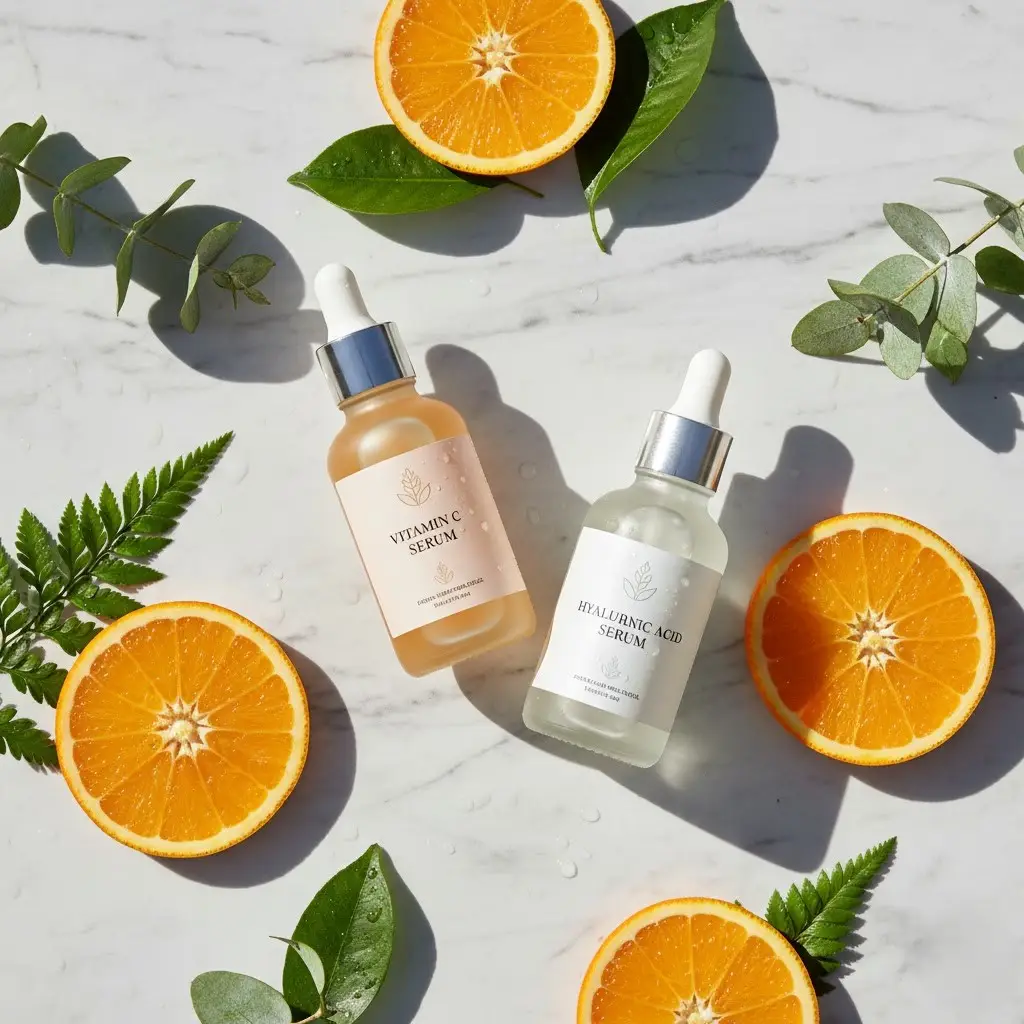
Looking for a way to brighten and deeply hydrate your skin? Vitamin C and Hyaluronic Acid Serums are a powerhouse duo that protect, plump, and even out your complexion. We’ve tested the top serums and share expert-backed tips to help you choose the best one for glowing, healthy skin. Read on to find your perfect match.
Vitamin C and Hyaluronic Acid Serums
In the world of skincare, certain ingredients become superstars for a reason. Right now, Vitamin C and Hyaluronic Acid are leading the charge, promising everything from a radiant glow to deep hydration. Their popularity has led many to wonder, Can I use hyaluronic Acid with vitamin C? We’re here to provide a clear and enthusiastic “yes!” Not only is this combination safe, but it’s also a dermatologist-approved secret to unlocking some of the most sought-after skin benefits.
Vitamin C protects your skin like a shield. It protects it from daily damage and helps even out your skin tone. Hyaluronic Acid is the best moisturizer because it draws moisture into your skin, making it look plump, smooth, and shiny. When combined in a high-quality vitamin C and hyaluronic acid serum, they work together to solve several problems at once. This guide will show you the benefits, our top product recommendations, and the best ways to use them to achieve the skin of your dreams.
Benefits of Using Vitamin C and Hyaluronic Acid Serum Together
When you mix these two ingredients, they work together to make your face healthier and more beautiful. The benefits of vitamin C and hyaluronic acid together are:
- Skin that is bright, dewy, and young-looking: Hyaluronic Acid and vitamin C work together to give you that desired “glass skin” glow.
- Fewer dark spots and a more even tone: If you use this product regularly, it will help reduce hyperpigmentation and even out your skin tone.
- Better Elasticity and Smooth Texture: Adding collagen and deep hydration makes the skin firmer and smoother by improving its elasticity and texture.
- Long-Lasting Hydration: Hyaluronic Acid keeps your skin hydrated for hours, so it stays soft and comfortable all day long.
- Better Skin Defense: Skin that is well-hydrated and protected is better able to fight off allergens and lose water.
What are hyaluronic acid and vitamin C?
To understand why these two compounds work so well together in skincare, let’s first look at what each one does on its own. They are both stars, yet they do very distinct things that work well together.
What Vitamin C Does for Your Skin
Vitamin C, also known as L-ascorbic Acid, is a potent antioxidant that protects your skin. It is essential for keeping your skin looking bright, even, and young.
- How to Make Dull Skin Brighter: Vitamin C is believed to improve the appearance of weary, dull skin, making it look healthier and more vibrant. It makes your face look more alert and healthy by giving it a boost.
- Getting rid of coloring and dark spots: It stops the production of melanin, the pigment that makes dark spots. This can help fade dark spots, sun spots, and acne scars, making your skin tone more even.
- Increasing the production of collagen: Our skin is complex and complete because of a protein called collagen. Collagen, which helps smooth out fine lines and wrinkles, can’t be made without vitamin C.
- Fight Free Radicals: Vitamin C is a potent antioxidant that neutralizes harmful free radicals produced by UV rays and smog. This response helps protect cells so they don’t get hurt or old too fast.
What Hyaluronic Acid Does for Skin
Hyaluronic Acid (HA) is a humectant, meaning it attracts and retains water. It is naturally found in our skin, but as we age, our bodies make less of it. Adding an external HA serum to your routine is a great way to keep your skin hydrated.
- Deep hydration and moisture retention: Hyaluronic Acid may hold up to 1,000 times its weight in water. It pulls moisture from the air and the deepest layers of your skin, bringing it to the surface for an instant burst of hydration.
- Filling in Fine Lines and Wrinkles: Dry skin typically appears more wrinkled. HA hydrates the skin, making fine lines and wrinkles appear smoother and less noticeable.
- Fixing the Skin Barrier: A well-hydrated skin barrier is a healthy one. Hyaluronic Acid strengthens this protective layer, helping protect your skin from factors that can injure or irritate it.
If you’re looking for more hyaluronic acid guides, explore:
Is Hyaluronic Acid Good for Acne
When to Use Hyaluronic Acid Serum
Is hyaluronic acid good for oily skin
Does hyaluronic acid plump lips?
The Top Hyaluronic Acid and Vitamin C Serums We suggest
It can be hard to find the correct serum, but we’ve done the hard work for you. These three serums, featuring vitamin C and hyaluronic acid, are our top picks. We chose each one because it has a unique recipe, proven benefits, and can make your skin look amazing.
1. TruSkin Vitamin C Serum For Face
A Look at the Product
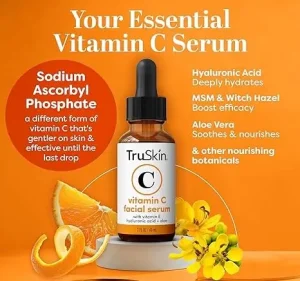
The TruSkin Vitamin C Serum is a certified cult classic and a great way to start using this powerful duo in your routine. This serum is made with plant-sourced Vitamin C, Hyaluronic Acid, and Vitamin E. It’s soft, but it does a good job of moisturizing, brightening, firming, and protecting. It has many positive reviews because it works well and feels light. You can trust it to give you healthy, even skin tone without spending a lot of money.
Key Ingredients & Their Benefits
Vitamin C (Stable Form):
- A potent antioxidant that makes skin look better.
- Helps lighten dark patches and hyperpigmentation.
- Keeps skin safe from environmental damage and pollution.
Botanical Hyaluronic Acid:
- It deeply hydrates and retains water.
- Fills out the skin, which hides fine lines and wrinkles.
- In general, it makes the skin smoother and more flexible.
Vitamin E:
- It boosts the protective power of vitamin C.
- Safeguards skin against UV rays and free radicals.
- It gives the skin protection, food, and makes it softer.
Witch hazel:
- Calms swelling and reduces pain.
- Keeps oil production in check and shrinks pores.
Jojoba oil
- It keeps your skin hydrated by imitating its natural oil.
- A moisturizer that doesn’t make your skin oily and makes it soft and smooth.
- Helps the skin heal and acquire the vitamins and minerals it needs.
Pros and Cons
- Cheap and quite effective for the price.
- It has a light, non-greasy feel and soaks in rapidly.
- Not tested on animals, vegan, and free of parabens and sulfates.
- Suitable for most skin types, including sensitive skin.
- Some people might not like the natural aroma.
Who It’s Best For
It’s a good choice for standard, mixed, oily, and even sensitive skin types because it works well for all of them. Because it is made with gentle ingredients, it is a great vitamin C serum for people new to using active ingredients. This serum is great if you want a brighter complexion, to fade light spots, and to keep your skin hydrated every day.
How to Use
For best results, apply a few drops to your clean, dry face and neck in the morning. Allow it to absorb for a minute before layering on a moisturizer and, most importantly, a broad-spectrum sunscreen. Its lightweight nature makes it an ideal first step in your morning vitamin C and hyaluronic acid routine.
2. IMAGE Skincare VITAL C Hydrating Face Serum
Product Overview
For those whose skin craves serious hydration and a touch of luxury, the IMAGE Skincare VITAL C Hydrating Face Serum is an exceptional choice. This professional-grade serum is specifically designed to soothe, hydrate, and brighten even the most sensitive or dehydrated complexions. It uses a multi-vitamin C complex to minimize irritation while delivering powerful antioxidant benefits, making it a go-to for those with redness, dryness, or mature skin.
Important Parts and Their Benefits
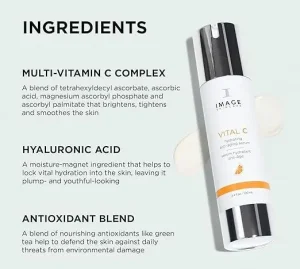
- Vitamin C (Stable Forms) – These gentle but firm forms of Vitamin C are known for making skin look brighter and boosting collagen. They also help even out skin tone and make it more elastic.
- Hyaluronic Acid is a naturally occurring molecule that binds moisture to the skin, keeping it soft, plump, and looking young.
- Green Tea Extract is rich in antioxidants that help protect the skin from free radicals. It also helps calm redness and irritation.
- Antioxidant Blend: This blend of antioxidants works together to strengthen the skin’s barrier and protect it from external damage.
These ingredients work together to make a complete formula that brightens, nourishes, hydrates, and protects the skin.
Main Advantages
- Gives your skin substantial, long-lasting moisture that makes it feel soft.
- It helps calm inflammation and redness, making it excellent for sensitive skin.
- Makes skin look brighter and healthier, giving it a natural glow.
- Makes fine lines and wrinkles look less noticeable.
- Supports a more substantial skin barrier against daily stressors.
- Professionally formulated and esthetician-approved for effective, consistent results.
Pros and Cons
- Very gentle and suitable for sensitive or rosacea-prone skin.
- The smooth, soft texture feels great on the skin.
- It makes your skin look brighter and more hydrated immediately and for a long time.
- It has a stable, multi-vitamin C complex that makes it work better.
- Positioned at a premium price point.
Who It’s Best For
This serum is excellent for people whose skin is dry, sensitive, old, or dehydrated. If you think regular Vitamin C serums are too harsh or drying, this gentle, moisturizing serum is excellent for you. It’s also a great choice for people who want to reduce swelling or strengthen their skin barrier after getting professional treatments.
How to Use
Apply this silky serum to cleansed skin morning and evening. Its soothing properties make it a wonderful part of both your day and night routines. In the morning, always follow with a moisturizer and SPF. At night, it can be layered under a richer night cream to lock in moisture while you sleep.
3. Premium 20% Vitamin C Serum with Hyaluronic Acid & Retinol
A Look at the Product
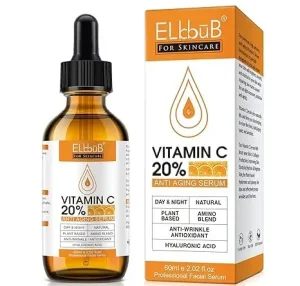
When you want to see real anti-aging benefits, this Premium 20% Vitamin C Serum is the best thing to use for more than one thing. This potent anti-aging serum contains a high concentration of Vitamin C, along with Hyaluronic Acid and Retinol, all top-quality ingredients. This powerful trio works together to significantly improve your skin’s texture, boost collagen, fade stubborn dark spots, and give you a firm, youthful look.
Key Ingredients & Their Benefits
This mixture contains many powerful active ingredients. The 20% Vitamin C protects against free radicals the best and works hard to make the face brighter and fade hyperpigmentation. Retinol, which comes from Vitamin A, speeds up the turnover of skin cells to get rid of wrinkles, unclog pores, and make skin firmer. These active ingredients might make the skin dry, but Hyaluronic Acid keeps it moist, and amino acids help keep the skin’s structure and flexibility. This makes a vitamin C and hyaluronic acid serum that is well-balanced and powerful.
Key Benefits:
- Makes deep wrinkles and fine lines look much less noticeable.
- Significantly increases collagen production, making skin firmer and more elastic.
- Works well to lighten dark spots and sun damage that won’t go away.
- Improves skin texture and makes pores appear smaller.
- For a smooth, youthful finish, it hydrates and plumps the skin.
- In one bottle, it has everything you need to fight aging.
Pros and Cons
- The high-potency formula works quickly and shows results.
- It has three of the best ingredients for fighting aging.
- Excellent value for a serum containing Vitamin C, HA, and Retinol.
- Addresses multiple signs of aging at once.
- It may be too strong for beginners or those with very sensitive skin.
- You need to be careful when you start using retinol and always protect your skin from the sun.
Who It’s Best For
This serum is best suited for those with mature skin or anyone primarily concerned with visible signs of aging, such as deep wrinkles, loss of firmness, and significant sun damage. It’s ideal for users who have already built a tolerance to active ingredients and are looking for a high-performance anti-ageing serum to elevate their routine.
How to Use
Due to its Retinol content, this serum is best used at night. Start by applying it 2-3 times per week to allow your skin to acclimate, gradually working up to nightly use. Apply to a clean, dry face, and follow with a nourishing moisturizer. Using a broad-spectrum sunscreen every morning is essential when Retinol is in your routine.
We tested multiple serums. See our full reviews and real skin results here.
Niacinamide and Hyaluronic Acid Serum: 2 Amazing Picks
PCA Hyaluronic Acid Serum: 2 Best Serums Reviewed
Vitamin C Serum Before and After: Amazing Glow Results
How to Layer Vitamin C and Hyaluronic Acid
Layering your serums correctly is key to ensuring they work effectively. The cardinal rule of skincare is to apply products from the thinnest to the thickest consistency. This allows the lighter, water-based products to penetrate the skin before heavier creams or oils seal them in. When it comes to vitamin C before or after hyaluronic Acid, Vitamin C should always come first.
Start with a freshly cleansed and toned face. Apply your Vitamin C serum to dry skin, as this helps stabilize and improve absorption. Gently rub it in, then wait a minute for it to absorb into your skin. Next, put on your Hyaluronic Acid serum. You can use this to make your skin a little wet so that it can hold onto moisture better. Lastly, use your preferred moisturizer to seal everything in. This will keep moisture from leaving and protect your skin barrier. If it’s daytime, your final and most crucial step is a broad-spectrum sunscreen with SPF 30 or higher.
Can You Use Hyaluronic Acid with Vitamin C? Yes, And Here’s How!
So, we’ve established that the answer to “can I use hyaluronic acid with vitamin C?” is a firm yes. But why do they get along so well? It’s all about synergy. They work together to make a complete treatment for your skin.
Vitamin C protects and brightens at the same time. It protects your skin from environmental damage every day and helps address existing issues, such as dark spots and loss of firmness. Hyaluronic Acid, on the other hand, is the best moisturizer and soother. It gives your skin the hydration it needs to work well and stay plump and beautiful.
One of the main reasons this combination is so appealing is that Hyaluronic Acid can help ease any discomfort that Vitamin C might cause. Higher levels of Vitamin C can occasionally dry the skin or make it tingle, especially if the skin is sensitive. A coating of Hyaluronic Acid that soothes and hydrates the skin after the Vitamin C makes it easier to handle. This fact, backed by dermatologists, suggests that even people with sensitive skin can benefit from vitamin C and hyaluronic acid without problems.
How to Use Vitamin C and Hyaluronic Acid Serum Together
To get the most out of vitamin C and hyaluronic acid, you need to know how to layer them. Following the proper steps ensures that each ingredient can penetrate the skin and do its work. The most important rule for taking care of your skin is to use cosmetics in order of thickness.
How to Do It Step by Step
Here is an easy morning exercise that works:
- Cleanse: Start with a blank page. To remove any dirt, oil, or leftover products from the night before, use a gentle cleaner. Rub your skin dry, but don’t dry it thoroughly.
- Use Vitamin C Serum to: Since vitamin C serums tend to be thinner and have a lower pH, they should be applied first to clean skin. Put a few drops of the serum on your fingers, and then pat or press it into your face and neck.
- One to two minutes: Wait a moment for the Vitamin C serum to soak in thoroughly. Before you put on the next layer, take a short break to make sure the first one has fully absorbed into the skin.
- Hyaluronic Acid Serum: Put on your Hyaluronic Acid serum now. It works best when you put it on skin that is just slightly damp. It will pull that water into your skin, making it feel more hydrated. Make light pats on your face and neck.
- Put on a moisturizer to seal: You have to use a lotion. It keeps the serums inside and prevents Hyaluronic Acid from evaporating the moisture it draws in.
- The most important thing to do is to use SPF in the morning. Sunscreen helps protect your skin from UV rays, and when combined with Vitamin C, it provides even more protection. At the end, you should always use a broad-spectrum SPF 30 or higher.
Tip: If you have sensitive skin or are just starting to use a vitamin C and hyaluronic acid serum, use it every other day at first to give your skin time to adjust.
When to Use: In the Morning or at Night?
Even though you can use this power couple at any time, there are times of the day when they work better than others.
- Vitamin C works best in the morning. Because it’s mainly an antioxidant, it’s a great addition to your morning routine. When applied before your sunscreen, it adds an extra layer of defense against UV radiation and environmental pollution you encounter throughout the day. It also gives your skin an immediate brightening boost.
- Night use works for hydration and repair. Your skin’s natural repair processes are most active while you sleep. Using Hyaluronic Acid at night supports this process by providing your skin with rich, long-lasting moisture. You can also apply a serum that has both vitamin C and hyaluronic acid at night, but vitamin C is more helpful during the day for protecting your skin. If you have dry skin, consider using Vitamin C in the morning and saving another layer of Hyaluronic Acid for midnight. This is the best way to do it.
Frequently Asked Questions
1. Is it okay to use vitamin C and hyaluronic acid serum every day?
Yes, this mix is safe and sound for you to use every day. It’s essential to be consistent if you want to see improvements, so adding a vitamin C and hyaluronic acid serum to your daily routine is a great idea.
2. Which goes first, hyaluronic acid or vitamin C?
Vitamin C goes first. Its job is to penetrate clean skin to deliver antioxidant benefits. Hyaluronic Acid is used to provide a layer of hydration on top.
3. Can I mix the two serums in my hand?
It’s best to layer them one at a time. Skincare products are formulated to be stable at a specific pH, and mixing them could alter their chemistry and reduce their effectiveness.
4. Will this mix assist with acne?
Yes, it can. Vitamin C helps lighten the black spots left by acne, and hyaluronic acid provides light moisture that won’t clog pores, making it excellent for acne-prone skin.
5. Is this mix good for skin that is sensitive?
Yes, usually. Hyaluronic Acid is highly calming and can help make Vitamin C easier to handle. But if your skin is really sensitive, start with a lesser dose of Vitamin C and do a patch test first.
Get Your Healthiest Glow
The science is precise: using Vitamin C and Hyaluronic Acid serum together is the best way to get skin that looks healthier and more radiant. This powerful pair works together to brighten, hydrate, protect, and firm your skin, addressing many concerns with a simple routine. One of the best things you can do for your skin’s long-term health is to buy a good vitamin C and hyaluronic acid serum.
Now that you know the answer to “can I use hyaluronic acid with vitamin C” and how to do it correctly, you are well-equipped to elevate your skincare game. Choose the serum that best fits your skin’s needs and get ready to reveal a brighter, smoother, and more hydrated you.