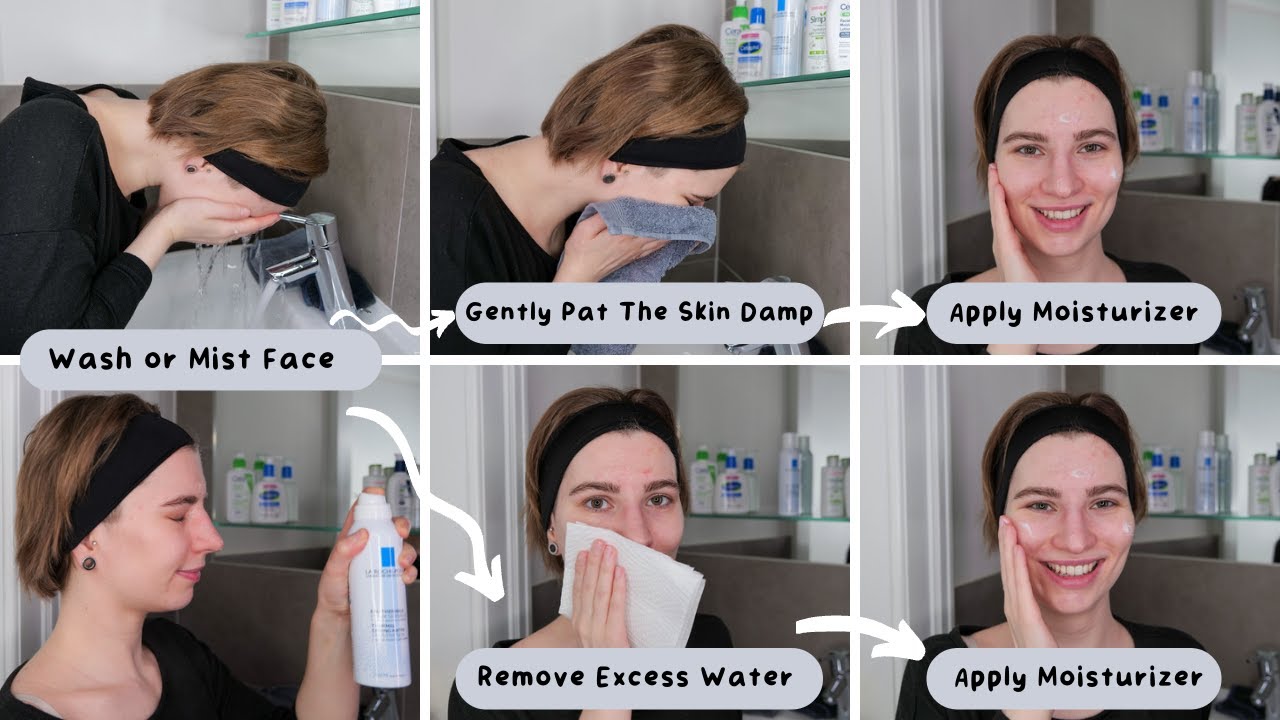
Wondering How to Use Face Moisturizer the right way for healthy, glowing skin? The key is applying the correct amount on clean, slightly damp skin after cleansing and before sunscreen or makeup to lock in hydration effectively. From personal skincare experience and dermatology-backed advice, using moisturizer correctly can improve texture, balance oil, and prevent dryness. Follow this guide to master the right technique and get the best results from your skincare routine.
You should use a face moisturizer to keep your skin hydrated and fresh.
Moisturizers come in many types. They may be beneficial for dryness, oily skin, and aging. When used right, they can boost your skincare routine. Many people skip this step or use too much of it. This can lead to unwanted results.
Using the right amount at the right time is key. You might wonder when to use it. And how much should you use? A good and workable question for real skincare. This guide will focus on the best ways to apply face moisturizer. You will learn valuable tips and tricks to maximize the benefits of your product. Get ready for healthier, glowing skin!
The Importance Of Moisturizer For Your Skin
Moisturizer keeps skin hydrated, balanced, and protected. It also prevents dryness and irritation. Daily use can improve the appearance of the skin.
Moisturizer works best when used correctly. This locks in moisture when you apply it after cleansing. This is an essential step for everyone, regardless of skin type. Even oily skin needs hydration.
Moisture And Skin Health
Moisture is essential for skin health. It leaves the skin elastic and soft. Plump, youthful skin is well-hydrated. Dry skin can cause flakiness and irritation. Maintaining moist skin will help reduce these problems.
Moisture also supports skin functions. It aids in healing and renewal. Healthy skin can better protect against environmental stressors. This includes pollution and harsh weather. Moisturizing daily keeps your skin functioning well.
Benefits Of Regular Moisturizing
Regular moisturizing offers many benefits. It refines skin texture and tone. A fixed schedule helps in the anti-aging process. Fine lines and wrinkles appear less noticeable.
You can also soothe an irritated face with moisturizer. It feels very nice on the skin after washing. This helps maintain an even skin tone. The right product can make all the difference.
Daily use of moisturizer can enhance your glow. Skin looks more radiant and fresh. Hydrated skin reflects light better. This simple step can boost your confidence.
Choosing The Right Moisturizer
A good moisturiser is essential to healthy skin. A great moisturizer keeps your skin hydrated and healthy. There is no universal product for all skin types. When you know the type of your skin, it’s easier to choose wisely.
Skin Type Considerations
Knowing your skin type is the very first step. There are approximately four main types: oily, dry, combination, and sensitive.
For oily skin, try oil-free, lightweight moisturizers. Look for gel-based options. They moisturize without adding extra oil.
For dry skin, use rich, creamy moisturizers. Ingredients like shea butter and glycerin are perfect. They provide intense hydration.
Combination skin needs balance. Apply a light cream to oily areas. Apply a richer product on dry patches.
Gentle, Fragrance-free versions are good for sensitive skin. Avoid harsh chemicals. Aloe vera is among the ingredients that can help soothe irritation.
Quick Table
Skin Type
Best Moisturizer Type
Key Ingredients
What to Avoid
Oily
Lightweight, gel-based, oil-free
Hyaluronic acid, aloe vera
Heavy oils, thick creams
Dry
Rich, creamy moisturizer
Shea butter, glycerin, ceramides
Alcohol-based products
Combination
Balanced lotion or light cream
Niacinamide, glycerin
Overly greasy formulas
Sensitive
Gentle, fragrance-free moisturizer
Aloe vera, chamomile
Fragrance, harsh chemicals
If you’re curious about choosing the right face moisturizer, check out these guides:
Look for hyaluronic acid. It draws moisture into the skin and keeps it plump.
Glycerin is another great choice. It helps lock in moisture and hydrates skin.
You need ceramides to fix a broken skin barrier. They also help seal in moisture and protect against dryness.
Antioxidants,including vitamin E and C, protect skin from damage. They preserve the skin’s youthful appearance
Always check for non-comedogenic labels. These products won’t clog pores. This is important for oily and combination skin.
Quick Table
Ingredient
Main Benefit
Best For Skin Type
Hyaluronic Acid
Attracts & retains moisture, plumps skin
All skin types
Glycerin
Locks in hydration, softens skin
Dry & normal skin
Ceramides
Repairs skin barrier, prevents moisture loss
Dry & sensitive skin
Vitamin C
Protects from damage, brightens skin
Dull & aging skin
Vitamin E
Antioxidant protection, nourishes skin
Dry & normal skin
Non-Comedogenic Formula
Prevents clogged pores
Oily & combination skin
Preparation For Application
Using face moisturizer is easy. Start with clean skin. Take a small dab on your fingers. Massage it into your face and neck. It helps in keeping your skin soft and hydrated. Don’t forget to apply it every day for the best results.
Preparation for application is a vital step in your skincare routine. Properly prepping your skin ensures that your face moisturizer can penetrate deeply and provide maximum hydration. Let’s break down the essential steps you need to follow before applying your moisturizer.
Cleansing Your Face
Cleansing is the first step in preparing your skin. It takes away dirt, oil, and any makeup that might hinder your moisturizer’s performance. Use a mild cleanser that is designed for your skin type.
If your skin is oily, select a foaming cleanser that balances oil on your face.
For people with dry skin, a cream-based cleanser can add moisture during cleansing.
Rinse with lukewarm water after cleansing. This will help to keep your skin barrier intact so your moisturizer can do its job.
Exfoliation: Is It Necessary?
Exfoliating can be helpful, but it isn’t necessary for everyone. It can help exfoliate dead skin cells, giving you smoother skin and helping your moisturizer penetrate better. You don’t have to exfoliate every day. Once a week, or two to three times, depending on your skin type. Over-exfoliating can lead to irritation and dryness. Opt for physical exfoliants, such as scrubs, or chemical exfoliants, such as AHAs and BHAs. Both work, but pay attention to your skin.
Have you ever noticed a change in how your moisturizer feels after exfoliation? It’s often a game-changer. By prepping your skin with good cleansing and gentle exfoliation, you allow moisturizer to do its absolute best. Your skin will thank you!
Step-by-step Moisturizing
Moisturizing your face is important for healthy skin. It helps keep your skin soft and smooth. Follow these steps to apply face moisturizer correctly. This way, your skin will reap all the benefits.
Applying The Product
Start with clean skin. Wash your face with a mild cleanser. Dry your skin with a clean towel.
Take a small amount of moisturizer. You only need a pea-sized amount for your face. Warm it between your fingers. This helps it spread easily.
Apply the moisturizer evenly. Begin at the center of your face. Move outward toward your ears. Don’t forget your neck. Your neck needs moisture, too.
Massage Techniques For Better Absorption
Gently massage the moisturizer in with your fingertips, beginning at your chin and working upward. It pulls up on your skin and improves bloodflow.
Use small circular motions. Focus on dry areas. Spend some extra time on your forehead and cheeks.
Finish with a gentle tap. Lightly tap your skin with your fingertips. This helps the product sink in better.
Apply makeup after waiting a few minutes. Wait until the moisturizer is fully absorbed by your skin.
Morning Vs. Night Moisturizing
Moisturizing your face is important. It protects and hydrates your skin. Morning and night routines differ. Both serve individual goals and provide specific benefits. Understanding these differences can ensure you select the right product.
Daytime Moisturizing Tips
Choose a lightweight moisturizer. Gel-based formulas work well. They seep in fast and feel fresh. Look for SPF in your daytime moisturizer. This helps protect your skin from sun damage.
Use a moisturizer after you’ve washed your face. Use a gentle patting motion. This helps the product absorb better. Don’t forget your neck. It needs hydration, too.
Consider using a serum before your moisturizer. Serums add extra hydration. They can target specific skin issues. Find one that suits your skin type.
choose the best face serums for glowing, healthy skin. check out these guides:
Nighttime is for deeper hydration. Use a thicker, creamier moisturizer. While you sleep, your skin naturally heals itself. A rich formula supports this process.
Wash your face with warm water and a mild cleanser, rinse, then pat dry. Remove all makeup and dirt. It’s like a fresh start for your skin.
Massage your night moisturizer into the skin. This improves circulation. It helps your skin to absorb the product more effectively.
You might consider turning to oils or overnight masks. These provide extra moisture. They can improve your bedtime routine.
Morning Vs. Night Moisturizing: (Quick Table)
Feature
Morning Moisturizing
Night Moisturizing
Main Goal
Hydration + protection
Deep repair + nourishment
Texture
Lightweight, gel-based
Thick, creamy, rich
Key Ingredients
SPF, antioxidants
Ceramides, peptides, oils
SPF Needed?
Yes
No
Best Time to Apply
After cleansing, before sunscreen/makeup
After cleansing, before sleep
Extra Steps
Serum (optional)
Facial oil or overnight mask
Skin Benefit
Protects from sun & pollution
Supports skin healing & renewal
Addressing The Eye Area
The skin around your eyes is thin and among the first to show signs of ageing and fatigue. The skin around the eyes deserves special attention, and an eye moisturizer can elevate your skincare game.
Special Care For Sensitive Skin
If you have sensitive skin, you know that not all products are created equal. Look for eye moisturizers labeled hypoallergenic or fragrance-free. These are less likely to irritate your skin.
Do a patch test with any new product. Taking this small precaution can help prevent a reaction that could make your skin reddish or inflamed. Don’t forget, your eye area is not only delicate, but it’s also easily affected by puffiness and dark circles.
Choosing lightweight, gel-based moisturizers can provide hydration without feeling heavy. Many people notice that these formulations absorb quickly, leaving the skin feeling refreshed.
Recommended Eye Moisturizers
Hundreds of eye creams are available, but some work better than others. Seek out ingredients in products such as hyaluronic acid and peptides, which are said to help hydrate and firm the skin.
CeraVe Eye Repair Cream: This gentle eye cream features hyaluronic acid and ceramides to help restore the skin’s barrier function and provide long-lasting moisture.
Neutrogena Hydro Boost Eye Gel: A flexible gel formula that provides a major hydration hit, great for sensitive skin.
Kiehl’s Creamy Eye Treatment with Avocado: Rich in avocado oil, this cream nourishes and hydrates the delicate skin around your eyes.
Ever wonder why your makeup sometimes looks dramatically better after applying a great eye cream? Lots of users notice that their concealer applies more smoothly and stays put longer when they prep with the right product.
Applying an eye moisturizer daily can help you look young. It’s a little thing that goes a long way toward making you feel good in your skin.
Moisturizer And Sun Protection
Moisturizing with SPF is a must. The sun can harm your skin. Apply moisturizer with SPF daily to help prevent sun damage. It maintains your skin’s health and hydration.
Importance Of Spf
SPF is Sun Protection Factor. It’s a measure of how well a product protects from UV rays. UV radiation can lead to sunburn and skin cancer. A moisturizer with SPF helps prevent these risks.
Go for a moisturizer that contains at least SPF 30. This level provides good protection against some types of skin. And don’t forget that even when it’s cloudy, UV rays can reach your skin. Make SPF a daily habit.
Combining Moisturizer With Sunscreen
You can combine your moisturizer with sunscreen. Seek out products that provide hydration and protection. This will save you some time during your morning routine.
Apply the moisturizer first. Then apply a sunscreen if needed. Make sure to cover all exposed areas. Don’t forget places like your ears and neck.
Repeat every two hours when you are outside. This helps maintain protection. It’s particularly crucial on sunny days. Keep your skin safe and glowing.
Common Moisturizing Mistakes
Moisturizing is essential for healthy skin, but many people make common mistakes that can hinder their skincare routine. Understanding these pitfalls can help you achieve optimal hydration and a radiant complexion. Let’s dive into the common moisturizing mistakes and how to avoid them.
Over-moisturizing Issues
Using too much moisturizer can clog pores. Your skin may be oily or even break out. The key is tracking down the right amount for your skin type.
Begin with a dime-sized amount for your face. If your skin still feels dry, you can gradually add a bit more.
Another issue with over-moisturizing is the skin’s natural ability to balance itself. When you overload your skin with products, it can become lazy and stop producing its own moisture. This creates a cycle where you feel the need to apply even more.
Ignoring Neck And Décolletage
So many people only look after their faces, and as a result, their necks and décolletages can look aged from neglect. This area is just as prone to dryness and aging as your face. By ignoring it, you could end up with a noticeable difference in skin texture and tone.
Moisturize these areas when you moisturize your face. Apply using upward movements to help stimulate circulation and absorption. This simple step can make a significant difference in maintaining a youthful appearance.
Ask yourself if you’re caring for your neck and décolletage as much as you are your face. Do it routinely, you’ll thank yourself.
Evaluating Your Skin’s Response
Once you know how your skin responds to moisturizer, you’re halfway there. Each person’s skin is unique. It can fluctuate depending on the weather, what you eat, and your stress level. Learn to read your skin’s signals. This helps you choose the right product.
Begin by looking at your skin when it’s moisturized. Does it feel comfortable? Is it smooth? Also, scan for any negative responses. Redness, or itching. You might need a different product.
When To Switch Products
Switch products when your skin shows signs of distress. If your skin feels tight or dry, it may not be getting enough moisture. An oily appearance can mean the moisturizer is too heavy. You need to go for the ones that are meant for your skin type.
Consider switching if you notice breakouts or irritation. These signals mean your current product isn’t right for you. Trying a new moisturizer can lead to better results.
Signs Of Improved Skin Health
Healthy skin has a smooth, soft, hydrated texture. Your skin should feel plump and bouncy. A smooth texture is also a good sign, too. If your skin looks radiant, that’s a win.
See a reduction in redness or irritation? That means your moisturizer is doing its job. And of course, healthy skin is also less prone to breakouts over time. Monitor these signs to know if your routine is effective.
FAQs about how to use face moisturizer
How Should You Apply Face Moisturiser?
To use face moisturizer, clean your skin first. Use only a small portion and lightly press it onto your face. Focus on areas that feel dry. Stroke upwards to encourage absorption.
Repeat daily for best results.
When Should I Put On Face Moisturizer?
Apply moisturizer to your face after cleansing and toning. Use it on slightly damp skin for better absorption. This helps lock in moisture. Repeat as you need it throughout the day (especially in dry, cold environments).
Should I Wash My Face After Applying Moisturizer?
No, do not wash your face after moisturizing. Washing removes the moisture and nutrients your skin needs. Allow the moisturizer to absorb fully for the best results.
Do You Leave Moisturizer On Your Face Overnight?
Yes, leaving moisturizer on your face overnight is beneficial. It helps hydrate and repair your skin while you sleep.
How Frequently Should I Apply Face Moisturizers?
Use face moisturizer twice daily. Once in the morning and once before bed.
Conclusion
Using face moisturizer is simple and effective. Follow the steps outlined in this blog to keep your skin healthy. Choose a product that suits your skin type. Apply it daily for the best results. Remember to use it after cleansing.
This helps lock in moisture. Hydrated skin looks fresh and youthful. Consistency is key to seeing improvements. Enjoy a smooth and glowing complexion. Take care of your skin with love. Your face deserves it. Start your moisturizing routine today for lasting benefits.