
Is Lotion Good for Your Face? Expert Advice That Works
Lotion can be good for your face. It helps maintain skin hydration and health.
It’s a common question: Is lotion good for your face? Face lotion can moisturize and protect the skin from dryness. It’s moisturizing, helping lock in moisture and giving skin a soft, smooth feel. It matters what kind of lotion you use.
Some lotions are formulated for the face, others work better on the body. Ingredients matter too. For example, lotions with natural oils can nourish the skin. Knowing your skin type can influence your decision. That way, you can reap the benefits of lotion without the fear of irritation or breakouts. Let’s explore how lotion can benefit your face and what to consider when using it.
The Role Of Lotion In Facial Care
Lotion plays a crucial role in caring for our faces. It’s not just a luxury; it’s a necessity for keeping your skin healthy and hydrated. Knowing how lotion works will help you become a better skin care connoisseur.
Balancing Moisture
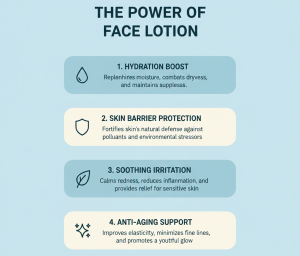
One of the biggest benefits of using lotion on your face is that it helps maintain moisture balance. Your skin is always losing moisture, and that’s especially true if you live in a dry climate or spend time indoors, where there are many air conditioners.
Using a good lotion can help replenish that lost moisture. Seek out ingredients like hyaluronic acid and glycerin, which draw water to the skin. This easy add-on can do wonders for how your skin feels and looks. If you’re unsure whether hyaluronic acid works as a moisturizer, read our detailed guide on Is Hyaluronic Acid a Moisturizer?
Have you ever noticed how your skin feels tight or flaky without lotion? That’s a clear sign that your skin craves moisture. Regularly applying lotion can prevent those uncomfortable sensations and keep your skin smooth.
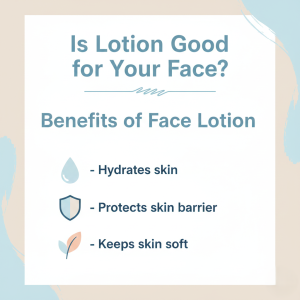
Barrier Protection
Lotion also helps protect your skin’s barrier. Your skin’s outer surface acts as a barrier against environmental aggressors such as pollution and harsh weather. A great lotion can fortify that barrier, keeping it hydrated and minimising irritation.
Opt for a lotion containing ceramides and natural oils. These ingredients help repair and support your skin barrier, making it less prone to environmental damage. You’ll find that your skin feels more elastic as time progresses.
Do you ever get red or sensitive when you are outside? That, in your skin’s language, is the sign that it needs to be protected. Moisturizing can also serve as a barrier against irritants, so your skin can shine.
Understanding how your moisturizer fits into your facial care routine will help you decide whether it is important to you. It’s not just about being pretty; it’s about feeling good in your skin. What do you see in your skin after using Lotion regularly?
Ingredients Matter: What’s In Your Lotion?
Choosing the right lotion for your face goes beyond just picking a pretty bottle. The ingredients in your lotion play a crucial role in how it affects your skin. Understanding what’s inside can help you make informed decisions that lead to healthier skin.
Common Beneficial Components
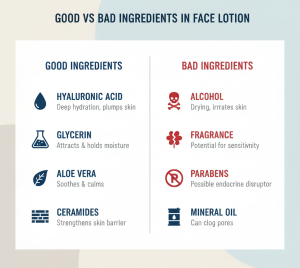
There are significant skin benefits from many of the ingredients in lotions. Look for these key components:
Ingredient | What It Does |
Hyaluronic Acid | Attracts and holds water in the skin |
Glycerin | Pulls moisture from the air to the skin |
Shea Butter | Deeply moisturizes and protects |
Aloe Vera | Soothes and calms irritation |
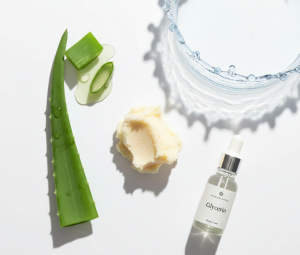
- Hyaluronic Acid: A powerhouse hydrator also found naturally in the skin that attracts moisture and locks it in. It ensures your skin stays plump and moisturized.
- Glycerin: An effective humectant, glycerin pulls water from the air into your skin. It makes your face soft and smooth.
- Shea Butter: Extremely rich in vitamins, it is a natural moisturiser. It conditions the skin and protects it against dryness.
- Aloe Vera: One of the gentler ingredients, this helps to soothe irritated skin. It’s great if you find that your skin is often red or sensitive.
After I switched to a hyaluronic acid lotion, I feel like my face stays moisturized longer. Have you ever experienced a similar transformation with a specific ingredient?
Ingredients To Avoid
Not all ingredients are beneficial. Beware of the usual suspects:
Ingredient | Problem |
Fragrance | Can cause irritation or breakouts |
Parabens | Possible hormone concerns |
Alcohol (harsh) | Dries out skin |
Mineral Oil | May clog pores |
- Fragrance: Synthetic fragrance can trigger irritation, redness, and breakouts. Opt for fragrance-free products, which will help keep your skin calmer
- Parabens: These preservatives may interfere with hormone balance. Opt for paraben-free lotions to reduce health concerns.
- Alcohol: Some forms of alcohol can hydrate your skin, but many will dehydrate it. Look at the label to make sure it’s in good form
- Mineral Oil: Mineral Oil- Will clog pores and cause acne. If you also have oily or acne-prone skin, it’s best to avoid it.
When I learned about these nasty ingredients, I began examining labels before purchasing lotion. I could not believe the difference in how my skin felt. You’ve checked the ingredient list of your lotion recently, right?
Knowing what’s in your lotion helps you make decisions that align with your skin’s needs. Whatever it may be, always look out for when the ingredients used might do more harm than good to your skin’s overall health.
Skin Type Considerations
Knowing your skin type will help you decide whether lotion is good for your face. Every face type has different needs, and the wrong product can lead to breakouts or dryness. Here’s what you need to know to figure out which lotion is right for your skin type.
Finding The Right Match For Your Skin
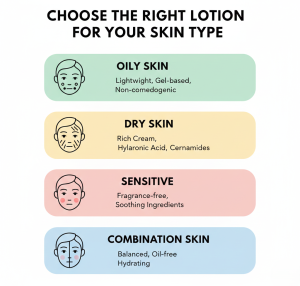
Your skin type is a key factor in determining which lotion is best for you. The perfect match can give you a better complexion, no matter if your skin is oily, dry, combination, or sensitive
- Oily skin: Choose lightweight, oil-free lotions. Gel-based formulas are often ideal as they moisturize without causing pore congestion. You can explore our expert picks for the Best Face Moisturizer for Oily Skin, and Gel Moisturizer for Oily Skin
- Dry Skin: Go for creamier lotions. Ingredients such as hyaluronic acid and glycerin can further help trap moisture. You can explore our expert picks for the: Top 3 Best Face Moisturizer for Dry Skin
- Combination skin: Opt for a slightly more balanced formula to hydrate without overdoing it. A matte finish lotion might be a good option.
- Sensitive Skin: Look for hypoallergenic, fragrance-free options. Something with a soothing agent, such as aloe vera, can also be helpful. We’ve also reviewed the 3 Best Face Moisturizer for Sensitive Skin to help you choose safely.
At a glance :
Skin Type | Lotion Type |
Oily skin | Light, oil-free gel |
Dry skin | Creamy, rich |
Combination skin | Balanced, light |
Sensitive skin | Fragrance-free |
Think about your daily routine. You may notice that your skin feels tight or flaky, in which case you’re due for a more hydrating lotion. Note how your skin responds after using certain products.
Special Formulas For Different Skin Types
Depending on your skincare needs, some lotions are formulated for those concerns. And this can matter for how effective your skincare routine is.
- Acne-Prone Skin: Look for lotions that contain salicylic acid or benzoyl peroxide. These are ingredients that can also help keep breakouts at bay.
- Ageing Skin: Look for products containing antioxidants such as vitamin C or retinol. They can also help improve skin texture and minimise fine lines.
- Hyperpigmentation: Formulas with niacinamide or liquorice extract can help even out skin tone.
Special Formulas For Skin Concerns at a glance :
Skin Concern | Key Ingredients | Benefit |
Acne | Salicylic acid, benzoyl peroxide | Helps reduce breakouts |
Aging | Vitamin C, retinol | Smooths fine lines |
Hyperpigmentation | Niacinamide, licorice | Even skin tone |
Have you ever used a lotion that made some big promises but fell short? Selecting the suitable formula can mean the difference between disappointment. Don, t skip the patch test and make sure you like how your skin reacts before doing it all over.
Finding the right lotion is a personal journey. Your skin deserves care that meets its unique needs.
The Impact Of Lotion On Sensitive Skin
Lotion for sensitive skin can be a game-changer. But not all lotions are made alike. Knowing more about how lotion affects your skin helps you make the best choices for a soothing, protective barrier.
Soothing Irritation
If you have sensitive skin, you know how easily it can react. A lotion that can help soothe and hydrate an inflamed patch instantly. Seek products with soothing ingredients such as aloe vera or chamomile.
Some people find that moisturizing immediately after cleansing helps seal in moisture. This is also important for sensitive skin to prevent dryness and itching. Keep in mind that some lotions can act as a barrier against environmental irritants.
Have you ever experienced redness after using a new product? Switching to a gentle lotion can often alleviate that discomfort. Your skin needs care that feels good, not something that aggravates the irritation.
Hypoallergenic Options
Using hypoallergenic lotions is a must for sensitive skin. These items are free of many common allergens, minimising reactions. Be sure to always read the label for terms like “no fragrance” and “non-comedogenic.”
When I first came across hypoallergenic lotion, it was a revelation. I discovered that fragrance and chemicals didn’t agree with me. Switching transformed my skincare into something I really enjoy and that works.
- Find a lotion with fewer ingredients.
- Test new products on a small skin patch.
- Look for lotions with soothing ingredients such as oatmeal or shea butter.
Are you ready for a change? Using the right lotion can make a world of difference for your skin. Give your sensitive skin its well-deserved break with products made just for it.
Age-defying Lotions: Myth Or Reality?
Many people wonder if age-defying lotions truly deliver on their promises. There are dozens of products on the market that promise to turn back the signs of ageing, so it’s easy to feel overwhelmed. Are these lotions a true solution or just another marketing fad?
Anti-ageing Ingredients
Understanding the ingredients in age-defying lotions can help you make informed choices. Look for components like:
- Retinol: A form of vitamin A derivative that increases cell turnover and diminishes fine lines.
- Hyaluronic Acid: A humectant that keeps the skin plump and hydrated.
- Peptides: These encourage your skin to produce collagen and help improve its elasticity.
Reading labels can be eye-opening. Some lotions contain fillers, which provide little value. You are interested in products that have active ingredients supported by research.
Efficacy And Expectations
When using age-defying lotions, realistic expectations are crucial. Few have the patience if they’re not seeing results right away, but meaningful change takes time. It also needs to be used consistently for weeks, months, or longer.
Have you ever tried a product that promised miraculous results but left you disappointed? Many share similar experiences. And although some lotions can help with texture and hydration, no product can take a decade away in an instant.
Before experimenting with a new routine, it’s important to consider what your skin needs. Combine lotions with a healthy lifestyle for even bigger results. Essentials include eating right, drinking enough water, and protecting skin from sun damage.
So, are anti-ageing creams a myth or reality? The solution is in knowing your skin and setting realistic goals. With the right product and mindset, you can see improvements that boost your confidence.
Day Vs. Night Lotions: Is There A Difference?
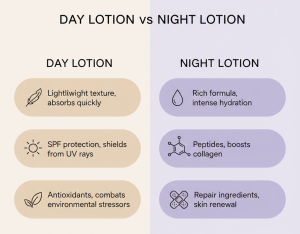
They serve different purposes for the skin, as day and night lotions. Day lotions typically protect and hydrate, while night lotions target repair and nourishment. With the right lotion, your face is sure to thank you; it will keep your face looking and feeling good.
The debate over whether to use lotion on your face during the day or at night always comes down to one question: Is there even a difference? Both types of lotions are extremely useful but differ in their formulations and purposes. Knowing these differences can help you decide which to use based on your skin type and lifestyle.
Formulations For Daytime Use
Day lotions are generally on the thinner side. They’re often made with ingredients that hydrate without making them feel heavy. There’s often SPF, too, to shield against those harmful UV rays. These lotions may also contain antioxidants, such as vitamin C, which help fight free radicals caused by environmental factors. Using a daytime lotion can help you maintain a fresh and vibrant look throughout your busy day.
A few brands even offer mattifying formulas for oily skin users. These can help mattify while also hydrating. If you’re dealing with oiliness, reach for a non-comedogenic option so that your pores don’t get clogged.
Benefits Of Overnight Treatments
Night lotions are formulated to work while you sleep, when your skin is in its most receptive state for repair. These products often contain more detectable ingredients, such as hyaluronic acid and peptides, which can be richer and more nourishing. They are a good way to help renewand refresh your skin after a hard day’s work. Overnight, using a heavier lotion can help address dryness and skin texture. You could wake up to a plumper, more radiant complexion.
Does your skin feel more supple in the morning after a good night’s rest and the right cream? Some overnight treatments even address specific concerns, like fine lines or dark spots. These specific formulations can offer the additional attention your skin longs for. Customizing your skincare routine by applying day and night creams could improve your skin’s overall health.
Applying Lotion Correctly
Applying lotion properly is crucial for healthy skin. It’s moisturizing and protective to your face. Knowing how to apply lotion makes a big difference. In this section, you’ll read about some best practices and pitfalls.
Best Practices For Application
Start with clean skin. Just wash your face softly and apply some lotion. Gently pat the skin dry with a soft towel. Do not rub, as it may cause skin irritation.
Use a small amount of lotion. A small pea-sized amount is often all that is needed. Rub a small amount of lotion into your hands, then apply. This is what makes the lotion easily spread.
Gently smooth the lotion up. This helps lift the skin. Focus on areas that feel dry. Don’t forget your neck and the area around your eyes.
Let the lotion absorb fully. Wait several minutes before applying makeup. This allows the lotion to absorb better and leaves your skin smooth.
Common Mistakes To Avoid
Avoid using too much lotion. This can lead to clogged pores and breakouts. Use only a small amount for the best results.
Do not lotion up dirty skin. This traps dirt and oil. Always cleanse your face first.
Forgetting your neck might be a mistake. The neck needs moisture, too. Consider your scalp the way you would your face to improve skin health.
Your skin is at risk when you use the wrong type of lotion. Select a lotion compatible with your skin type. If you have oily skin, then go for something light. If you have dry skin, use a thicker lotion.
Lotion Vs. Cream Vs. Serum: Navigating The Options
Selecting the right product for your face can be confusing. Lotions, creams, and serums each have unique features. Knowing the differences makes it easier to figure out which works better for your skin. Let’s break down the options.
Texture And Absorption
Lotion is light and watery. It’s quickly absorbed by the skin. Good for daily use, particularly if you have oily skin. Creams are thicker and richer. They provide more hydration. Great for dry or mature skin.
Serums are concentrated. They often work to address specific skin concerns. Serums can deliver powerful ingredients to the skin. Select based on your skin requirements.
Vitamin C and Hyaluronic Acid Serum: Expert Review of 3 Top Picks
How To Choose The Right Thing For Your Routine
Your skin type also needs to be considered when choosing a product. Oily skin benefits from lotion. It hydrates without feeling heavy. If your skin is dry, it may need a cream for added moisture.
Serums are perfect for treatment-based routines. They are used to treat wrinkles, dark spots, or acne. Consider the climate too. A Time for Lightweight Products in Humid Weather.r Cold weather needs richer creams.
Try test products and see what feels best. Patch testing helps avoid reactions. Monitor the response of your skin. Adapt as needed to fit your schedule and succeed.
If you’re confused about texture differences, read our comparison of Gel vs Cream Moisturizer understand which one suits your skin type best.
FAQ’s about “Is lotion good for your face?”
Is lotion good for oily skin on the face?
Yes, if it is non-comedogenic and oil-free. A gel lotion can moisturize without clogging pores and can help calm skin.
Is lotion better for your face than cream?
Lotion is a lighter option and works for normal or oily skin. Cream is thicker and more luxurious, and it works well for extremely dry skin.
Can you put body lotion on your face if you have acne?
If it is non-comedogenic, then yes. A mild lotion can add moisture to the skin without clogging pores.
Is it good to apply lotion on your face in dry weather?
Yes. A good lotion keeps the water in your skin and prevents tight, flaky spots, so your skin feels silky.
Do I Need to Lotion My Face Every Day?
Yes, you should moisturize your face daily. It supports hydration, preserves the skin barrier, and helps avoid dryness.
Can I Use Lotion On My Face?
Yes, there are many lotions that are safe to use on your face. Look for non-comedogenic options.
Conclusion
The lotion you use on your face does make a difference. It can also work to keep the skin soft and supple. You should always read labels, warnings, and instructions provided with the product before using or consuming it. Some lotions do wonders for oily skin, and other compatible with dry skin. Mutual fit takes time to achieve.
Note how your skin responds. A quality lotion can take your day to the next level. It also works to brighten the skin for a radiant complexion. Proper skin care is essential for health. Choosing the right face lotion is easier than you think.
Your skin will thank you.
If you’re looking for body lotions, explore:


