
Does Oily Skin Need Moisturizer? Essential Guide to Healthy skin
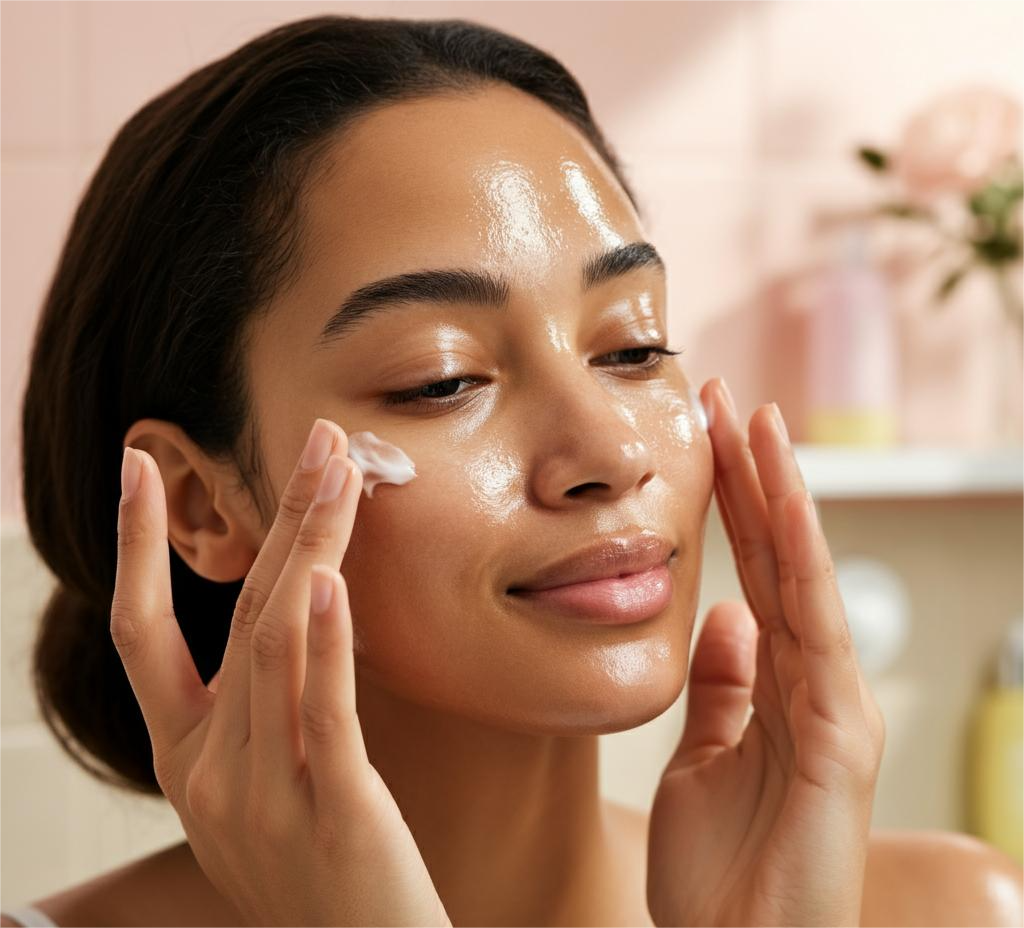
If you have oily skin, you may be tempted to skip moisturizer altogether. After all, given your skin already feels greasy, why would it need more hydration? Correct! Skipping moisturizer can potentially do more harm than good, yes, even for oily skin types. Let’s definitely clear up any confusion.
From why hydration is crucial for oily skin to how to pick and use the correct moisturizer, this blog will walk you through all you need to know.
Does oily skin need moisturizer, and why does oily skin need hydration?
The most common mistake is assuming that oily skin is the same as moisturized skin.
Here’s why hydration remains essential:
1. Oil is not moisturizing.
The oil your skin produces (sebum) helps with lubrication but doesn’t provide hydration. Water contained beneath your skin provides hydration. If oily skin lacks water, it can become dehydrated, and overproduction of oil to compensate results in even shinier skin.
2. Protection of Skin Borders
Moisturizer preserves the barrier protecting your skin. Your skin barrier may degrade due to insufficient moisture, leading to redness, irritation, and breakouts.
3. Control Excess Oil
A well-moisturized face signals to the skin to slow oil production; skipping moisturizer can throw the skin even more off balance and trigger increased oil production as a defense strategy.
Even with an oily complexion, hydrated, balanced skin is healthy skin.
The Effects on Oily Skin of Ignoring Moisturizer
What really happens when you skip moisturizer? Let’s break it down:
1. One can have overcompensation and dehydration.
As discussed, oily skin can dry up, which stimulates your sebaceous glands to go into hyperdrive.
These conditions can result in skin that feels greasy and dry a tricky combination to manage.
2. Premature Aging
Chemicals in the moisturizer help keep your skin supple and hydrated. If you neglect your skin, even if it is oily, it will develop fine lines and wrinkles over time.
3. Getting irritated and being sensitive
If you use the wrong moisturizer, regular cleansers, makeup, and even airborne pollutants are more likely to damage your skin. Redness, irritation, and acne can all follow from this.
Although skipping lotion seems like a quick fix, it won’t help in the long run
Does oily skin need moisturizer? Which moisturizer should I use for oily skin?
Although it may seem complicated, choosing the right lotion for your skin type is actually straightforward.
Choose one that won’t make your skin feel heavy by following these steps:
1. Look for Lightweight Formulas
Always go for gel-based or lightweight lotions designed for oily skin. These items keep your skin moisturized without clogging your pores or leaving you feeling dirty. Note words like “oil-free” and “non-comedogenic” on the label.
2. Ingredients that hydrate
Look for water-attracting ingredients that hydrate your skin without adding excess oil. Key ones include:
Hyaluronic acid is well known for its 1,000-fold water-holding capacity. This ingredient is great for providing hydration without feeling heavy.
Glycerin is another superfood hydrant that seals water in the skin.
Niacinamide reduces oil output and helps retain moisture.
Aloe Vera: Perfect for irritated, oily skin; provides soothing moisture.
3. Skip Heavy, Comedogenic Oils
Not every oil is manufactured equally. Avoid strong oils, such as palm or coconut oil, as they can clog pores. Consider lightweight oils instead, such as squalane, which closely mimics your natural sebum.
4. SPF for Daytime
To prevent UV damage during the day, pick a moisturizer with SPF 30 or more. For a two-in-one treatment, several oil-free sunscreens double as moisturizers.
5. Patch Test First
Would your skin benefit from a moisturizer? Before putting it all over your face, do a patch test on your jawline or neck.
If you’re curious about choosing the right face moisturizer, check out these guides:
Ingredients That Hydrate Oily Skin (And Why They Work)
- Hyaluronic Acid
- Glycerin
- Niacinamide (Vitamin B3)
- Ceramides & Non-Comedogenic Emollients
- Aloe Vera
Best Hydrating Ingredients for Oily Skin (Quick table)
Ingredient | What It Does | Why It’s Ideal for Oily Skin |
Hyaluronic Acid | Draws water into skin | Hydrates deeply without grease |
Glycerin | Locks in moisture | Prevents dehydration & excess oil |
Niacinamide | Controls oil, calms skin | Reduces shine & breakouts |
Ceramides | Repairs skin barrier | Prevents moisture loss without clogging pores |
Aloe Vera | Soothes & hydrates | Lightweight, calming hydration |
Ingredients to Avoid in Moisturizers for Oily Skin
- Coconut Oil & Palm Oil
- Mineral Oil & Petrolatum
- Alcohol Denat / SD Alcohol
- Synthetic Fragrance
Ingredients to Avoid in Moisturizers for Oily Skin (Quick Table)
Ingredient | Why It’s a Problem for Oily Skin | What It Can Cause |
Coconut Oil & Palm Oil | These oils are heavy and highly comedogenic. They sit on the skin instead of absorbing properly. | Clogged pores, whiteheads, acne |
Mineral Oil & Petrolatum | Create a thick seal that traps oil and sweat, especially in humid weather. | Greasy feel, dull skin, breakouts |
Alcohol Denat / SD Alcohol | Strips natural moisture and damages the skin barrier over time. | Rebound oiliness, irritation, sensitivity |
Synthetic Fragrance | Adds scent but no skin benefits and can irritate oily or acne-prone skin. | Redness, inflammation, breakouts |
Quick Tip for Oily Skin
How to Layer Your Skincare for Oily Skin
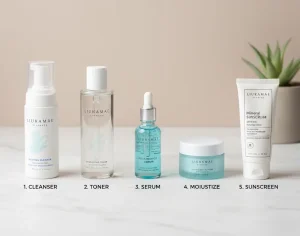
- Cleanse
- Tone
- Serum (Optional)
- Moisturize
Use a gel-based or oil-free moisturizer suited for oily skin.
Why it matters: Moisturizer locks in hydration and the benefits of your serum. Even oily skin needs this step to prevent dehydration and excess oil production.
- Sunscreen (Morning Only)
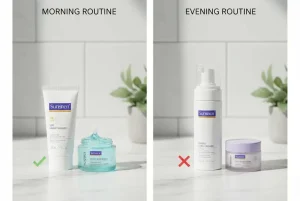
Morning vs Evening Skincare Routine
Getting the order right makes products work better:
Time | Step | Why It Matters |
AM | Cleanse | Removes overnight oil and sweat |
Tone | Balances pH and preps skin for serum & moisturizer | |
Serum | Active ingredients penetrate better. | |
Moisturize | Locks in hydration and serum benefits | |
Sunscreen | Protects from UV damage without blocking pores | |
PM | Double Cleanse | Removes makeup, sunscreen, and pollution |
Exfoliate (1–2x/week) | Clears clogged pores and smooths skin | |
Serum | Repairs skin, hydrates, or targets acne | |
Moisturize | Seals in hydration for overnight repair |
Best Texture & Formula Types for Oily Skin
Finding the right moisturizer for oily skin isn’t just about ingredients; it’s also about texture and formula. The goal is hydration without heaviness or clogged pores. Here’s a quick guide:
Texture / Formula | Why It Works for Oily Skin | Examples / Notes |
Gel-Based Moisturizers | Lightweight, absorbs quickly, and hydrates without feeling greasy. | Look for products like CeraVe Hydrating Gel or similar |
Water-Based Lotions | Provide moisture using water as the main ingredient. Keeps skin fresh and balanced | Ideal for everyday hydration, especially in humid climates |
Oil-Free & Non-Comedogenic | It won’t clog pores or trigger breakouts. Perfect for acne-prone oily skin. | Check labels like “oil-free” or “non-comedogenic.” |
Mattifying Moisturizers (Optional) | Helps control shine while still providing hydration. | Great for the T-zone or daytime use. Example: lightweight mattifying formulas from brands like NURIVE |
How Hydration Affects Acne Treatments
- Retinoids, benzoyl peroxide, and salicylic acid can dry out skin.
- Proper hydration prevents over-drying and reduces irritation.
- Moisturizer locks in water, allowing acne treatments to work effectively without triggering rebound oil or redness.
- Always apply a hydrating moisturizer after acne treatments, or choose a hydrating product that doubles as a moisturizer.
Seasonal Adjustments for Oily Skin
Season | Tips for Oily Skin |
Summer | Use water-based or gel moisturizers. Switch to oil-free, lighter sunscreen. Blot T-zone midday if needed. |
Winter | Apply a lightweight serum under the moisturizer to prevent dryness. Switch to a slightly richer gel-cream. Use a humidifier indoors to maintain hydration. |
Year-Round | Stick to oil-free, non-comedogenic formulas. Adjust exfoliation frequency based on skin sensitivity. |
Myths vs Facts
Myth | Fact |
Oily skin doesn’t need moisturizer | Hydration balances oil production and the skin barrier |
Moisturizer causes acne | Using oil-free, non-comedogenic moisturizers can reduce breakouts |
Matte skin = healthy skin | Healthy skin is balanced; shine is typical in the T-zone |
Serums replace moisturizer | Serums treat concerns, moisturizers seal hydration |
Dermatologist Insight
Frequently asked questions about moisturizing oily skin
1. Can oily skin become dry if I use the wrong product?
Yes! Overly harsh or mattifying products strip your skin of its natural oils, leaving it dry. Always choose a gentle, hydrating formula tailored to oily skin.
2. Is it okay to skip moisturizer during the summer?
Your skin needs moisture to control oil output, even in summer. Search for lightweight, oil-free moisturizers that won’t feel weighty in hot temperatures.
3. Should I apply the same evening and daytime moisturizer?
Not exactly. To help skin heal during sleep, you can apply a richer, more hydrating formula at night and a daytime moisturizer with SPF in the morning.
.
4. Can hydrating my skin eliminate acne?
Although hydration alone cannot treat acne, choosing the right moisturizer helps prevent dehydration, which often aggravates flare-ups. For best effects, team your moisturizer with acne treatments.
5. Given my oily skin, how often should I hydrate?
To achieve optimal skin health and balance, hydrate twice daily, once in the morning and once at night.
6. If I now use oil-control products, should I still use moisturizer?
Absolutely! Oil-control solutions can help maintain shine, but they don’t replace moisture. The perfect complement for these products without adding more grease is oil-free moisturizers.
7. If I use a serum, can I skip moisturizer?
A serum cannot replace your moisturizer. While moisturizers seal in hydration and protect your skin’s barrier, serums are well-suited to addressing specific concerns. For balanced skin, both are vital.
8. For oily skin, which daytime moisturizer is best?
Look for a lightweight moisturizer with built-in SPF to prevent product stacking. This keeps your skin nourished and protected from UV radiation without clogging your pores.
Wrapping It All Up
Is a moisturizer required for oily skin? Undoubtedly! No matter your skin type, maintaining balanced, healthy, and radiant skin depends on water. Understanding the specific needs of oily skin and following a consistent moisturizing routine will help you reduce excess shine, prevent breakouts, and maintain skin health over the long term.
Which moisturizer is suitable for your skin type? Try a few recommendations and see what works best! The most important action is starting; you will thank yourself later.
Recall: in skincare, consistency is key to perfection. Now grab that moisturizer and treat your skin.
Let’s learn how to care for dehydrated skin
If you’re looking for body lotions, explore:


