
Master How to Care for Combination Skin with 8 Best Steps
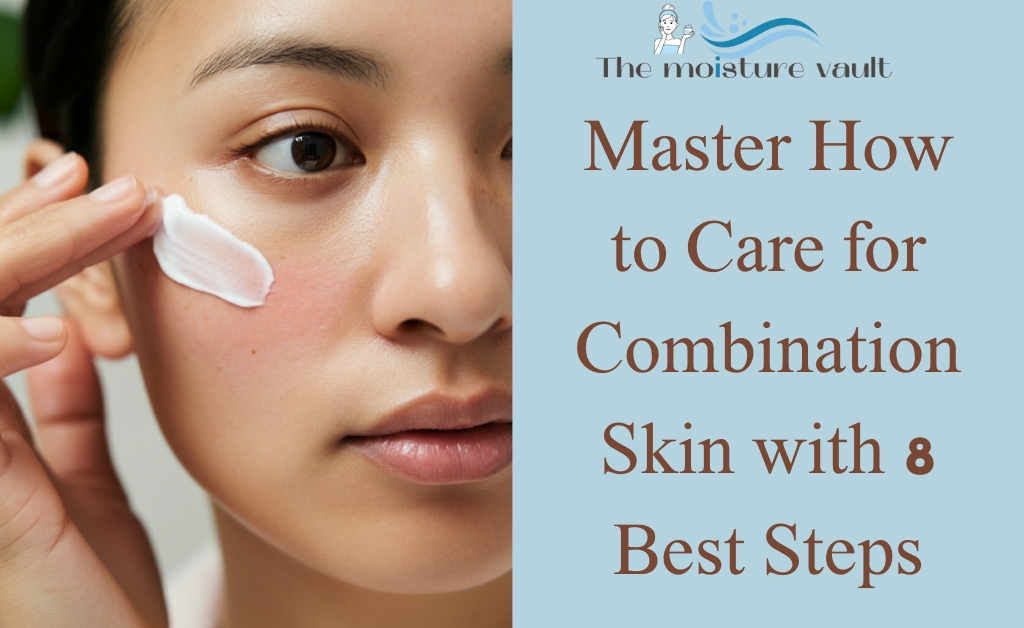
Struggling with an oily T-zone and dry cheeks at the same time? How to Care for Combination Skin comes down to balancing hydration and oil control with the right products and smart layering. After years of researching skincare routines and ingredient behavior, I’ve seen that gentle cleansing, lightweight hydration, and targeted treatments make the biggest difference. Follow dermatologist-approved basics and adjust by season to keep your skin calm, clear, and healthy. Keep reading to learn the exact steps that work.
How to Care for Combination Skin
It can be challenging to control combination skin. Your face has two characters depending on an oily T-zone (forehead, nose, and chin) and dry or average cheeks. Once you know your skin type and follow a customized regimen, though, caring for mixed skin doesn’t have to be complicated. Here is all you need to know to maintain balanced, healthy, and brilliant skin!
Classifying Your Skin Type
You have to be sure you have mixed skin before developing the ideal program. One can know by looking at this:
Signs of Combination Skin
- Oily T-zone that feels shiny or greasy, especially by mid-day.
- Cheeks that are dry, normal, or even flaky.
- Enlarged pores in the T-zone.
- Skin behaves differently during changing seasons (e.g., oilier in summer, drier in winter).
Test Your Skin Type
- Cleanse your face thoroughly and leave it product-free for 30 minutes.
- Observe your skin
-
-
- Oily T-zone and dry/normal cheeks? That’s your sign.
- Entirely oily or dry? You might have a different skin type.
-
Pro Tip: Hormonal or seasonal changes can intensify combination skin symptoms
. Puberty or winter dryness, for instance, could cause your T-zone shininess or flakiness of your cheeks.
When to Consult a dermatologist :
If you are unclear about your skin’s behaviour or have unusual sensitivity or discomfort, a dermatologist can make a professional diagnosis.
The Challenges of Combination Skin
Combination skin doesn’t come without its difficulties!
Common Issues
- Balancing Opposite Needs: Hydrating dry areas without making oily zones worse.
- Breakouts vs. Dryness: Acne on the T-zone combined with tight, flaky patches.
- Product Sensitivities: Ingredients meant for one area could throw off another.
- Changing with the seasons: humidity and temperature fluctuations might aggravate the illness.
These difficulties make a sensible skincare routine essential.
The Foundation of Combination Skin Care
Combination skin thrives on three principles—balance, hydration, and protection:
- Keep oily zones under control without stripping them of moisture.
- Hydrate dry areas to keep your skin in good condition in general.
- Using sunscreen will help to shield your skin from damage.
Maintain Skin’s Barrier
Maintaining both oily and dry areas balanced depends on the natural pH and barrier of the skin. Use items meant to support and guard your skin.
The Basics of combination skincare
Aiming for balance is essential to properly care for mixed skin. Your skincare should target both of the several necessities that diverse parts of your face want.
- cleanse.
Eliminating oil from the T-zone without drying out the cheeks, use a mild, non-stripping cleanser. Search for gel or foam cleansers marked “balancing” or “for combination skin.”
- Tone
Toners assist in balancing skin and refining pores; choose ones with moisturizing and pH-balancing components such as witch hazel or hyaluronic acid.
- Moisturize
Select a lightweight moisturizer that hydrates without aggravating pores. Use heavier moisturizers just on dry areas like your cheeks if necessary.
- Protect
Never neglect sunscreen. Without starting outbreaks, a non-comedogenic SPF shields your skin from UV harm.
For better, happier skin, consistency in following these guidelines is essential.
1. Morning Routine for Combination Skin

Master How to Care for Combination Skin with 8 Best Steps
Starting your day with a basic yet powerful skincare regimen will help:
Gentle Cleanser:
Use a gentle cleanser designed to target oil in your T-zone without stripping moisture.
Example: Gel cleaners from companies like Cetaphil or La Roche-Posay,
Lightweight Moisturizer:
Use a moisturizing, non-greasy moisturizer all over the face. Add a serum including hyaluronic acid for further hydration.
Example: Neutrogena Hydro Boost Water Gel.
Non-Comedogenic Sunscreen:
Choose lightweight, oil-free SPF 30+ sunscreen if non-comedogenic. Apply freely!
Example: EltaMD UV Clear Broad-Spectrum SPF 46
Tips for Balance
- Focus on mattifying products for the T-zone.
- Dab on extra moisturizer where your cheeks feel dry.
2. Evening Routine for Combination Skin
Evening care is all about repair and nourishment:
Double Cleanse
Start with an oil-based cleanser to clear makeup, sunscreen, and pollutants. Prepare the skin for treatments by using your mild gel cleanser.
Example: Clinique Take the Day Off Cleansing Balm + your morning cleanser.
Exfoliate (1-2 times a week):
For smoother skin and clearer pores, exfoliate (one to two times a week) with chemical exfoliants, including salicylic acid. Steer clear of scrubbing too aggressively.
Example: Paula’s Choice Skin Perfecting 2% BHA Liquid Exfoliant.
Targeted Treatments: Apply serums to address specific concerns. Try niacinamide for acne; for water, go for hyaluronic acid.
Example: The Ordinary Niacinamide 10% + Zinc.
Night Cream:
Use a lighter moisturizer for your T-zone and a heavier cream for drier areas.
Example: CeraVe PM Facial Moisturizing Lotion.
Pro Tip: Double cleansing is a life-saving habit for combination skin not to be skipped!
Weekly Additions

Master How to Care for Combination Skin with 8 Best Steps
- Multi-mask dry patches with a moisturizing mask and oily areas with a clay mask.
- Deep Cleanse: To help sweep away dead skin and debris even more, consider a mild scrub.
- Overnight Treatments: For more moisture, try a concentrated hydration mask.
3. Seasonal Care for Combination Skin
Combination skin reacts differently to seasonal changes, so adapt your routine accordingly:
Summer Adjustments
- Fight too much oil using gel-based moisturizers.
- Move to an ultra-light sunscreen to prevent blocked pores.
- Blotting papers helps to regulate mid-day shine.
Winter Adjustments
-
-
- Under your moisturizer, top with a moisturizing serum—such as glycerin or ceramides.
- For added nutrition, switch to a creamy cleanser.
- Retain skin hydrated by running a humidifier.
-
Customizing your products to the season will help to maintain skin balance all year long.
4. DIY Skincare for Combining Skin Tone

Master How to Care for Combination Skin with 8 Best Steps
Your kitchen sometimes has the best answers for problems!
- For Hydration: Create a honey and yogurt mask to help dry areas.
- For oily areas, experiment with a homemade clay mask made from bentonite or kaolin clay.
Pro Tip: Steer clear of recipes calling for potential irritants like baking soda or lemon juice since these throw off the pH balance of your skin.
5. Take Care of Particular Skin Issues
Many times, combination skin presents extra difficulties. Here is focused advice on typical problems:
- T-zone acne: Steer clear of heavy products and spot treat with salicylic acid or benzoyl peroxide.
- Dehydrated skin: Choose water-based serums; steer clear of alcohol-based toners that aggravate dryness.
- Redness or irritation: use calming herbs, including aloe vera, niacinamide, or Centella Asiatica.
- Aging gracefully: Search for mild anti-aging solutions such as peptides or retinol that won’t dry out or overwhelm your skin.
Makeup Tips for Combination Skin
- Choose a Primer Wisely
For better application on your dry areas, use a hydrating primer; for control of oil in your T-zone, use a mattifying primer. This double method guarantees a long-lasting and perfect appearance of your makeup.
- Foundation Finish Matters
Choose a product designed for combination skin to blend your foundation effortlessly.
- Matte finishes work best for reducing shine in oily regions;
- dewy finishes can give dry spots brightness. Think about layering or blending things appropriately.
- Prevent Clogged Pores
Always opt for non-comedogenic, lightweight formulas to prevent breakouts. Set with powder only in your oily areas to avoid drying out your skin elsewhere.
- Remove Makeup Thoroughly
Don’t sleep with makeup on—ever. To get every last trace gone and leave your skin fresh and clean, use micellar water, an oil cleanser, or a mild makeup remover.
Reasonably priced skincare for combination skin
Maintaining good skin doesn’t have to break the budget! Here are reasonably priced item recommendations:
- Gentle and wallet-friendly CeraVe Hydrating Cleanser
- Neutrogena Hydro Boost Gel Cream is a moisturizer without heaviness moisturizer.
- Sunscreen: reasonably priced, non-greasy Australian Gold Botanical SPF 50
- Exfoliating: The reasonably priced and effective Ordinary Glycolic Acid 7% Toning Solution
Tip: Invest in multifunctional items, including sunscreen with moisturizing qualities or a cleanser meant to remove makeup.
When would you indulge? Goods such as active chemicals like retinol or vitamin C, high-quality serums, or tailored treatments are well worth the expense.
6. Common Mistakes to Avoid
- Overwashing
Too frequent washing removes natural oils, leading to dryness and T-zone overproduction of oil.
- Over-Exfoliating
Exfoliate no more than one to two times a week to prevent dryness and irritation.
- Ignoring Specific Needs
Treat oily areas and dry areas differently. For example, use oil-absorbing treatments only where needed.
- Skipping Sunscreen
UV damage can worsen uneven texture and dry out certain areas—always wear SPF!
7. Selecting appropriate products for combination skin
Regarding mixed skin, the choice of products counts. This is what to search for.
Ingredients to Look For
- Hyaluronic Acid: Without adding oil to the skin, it keeps dry patches moist.
- Niacinamide balances inflammation and oil output.
- Salicylic Acid: To prevent breakouts, softly exfoliates and unclogs pores in greasy areas.
Ingredients to Avoid
- Alcohol-based toners (they can over-dry your cheeks).
- Heavy oils and comedogenic ingredients clog pores on oily areas.
Special Tip: Treat various parts of your face based on necessity with multi-masking. To nourish your dry cheeks, use a moisturizing mask; for your oily T-zone, use a clay mask to lessen shine.
8. Advice on Lifestyle for Good Skin
Skincare is about how you live as much as about what you apply. Your skin will benefit much from a few little adjustments to your everyday schedule.
- remain hydrated.
From the inside out, drinking adequate water throughout the day helps to maintain skin hydration. Try for eight glasses minimum per day.
- have a balanced diet.
Eat lots of fruits, veggies, and good fats—like those from avocados and nuts—and fuel your skin with nutrition. Steer clear of too many sweets to prevent breakouts.
- Control Stress: Particularly in oily regions, stress can cause breakthroughs. Use yoga, meditation, or even a brief stroll in the great outdoors to help with stress.
- Prioritize Sleep
Skin restoration and regeneration depend on 7–9 hours of regular sleep every night. Less dark circles also follow from less restless evenings!
( FAQs)
- Is sunscreen necessary if my moisturizer has SPF?
A: Sure! Over your moisturizer, top with a suitable broad-spectrum sunscreen (SPF 30 or above). This offers complete UV ray protection.
- Are sheet masks good for combination skin?
A: Yes—look for hydrating sheet masks that won’t clog pores. You can also cut the mask into pieces to apply only to dry or balanced areas.
- What makeup works best for combination skin?
A: Use long-wearing, oil-free foundations. Leaving the dry parts unaltered, set the T-zone with translucent powder to regulate shine.
- How do I choose a cleanser for combination skin?
A: Search for a mild foam or gel cleanser that eliminates oil without aggravating your skin’s dryness.
- Should I hydrate if I have oily patches?
A: Yes, hydrate without clogging pores using a lightweight, non-comedogenic moisturizer.
- What is multi-masking?
A: Using many face masks concurrently for oily and dry areas of your skin is known as multi-masking.
- Does stress affect combination skin?
A: Yes, stress can trigger breakouts, especially in the oily areas of your skin.
Conclusion: Embrace Your Unique Skin
Taking care of mixed skin need not be difficult. Consistency, balance, and customizing your program to fit your own needs are the secrets. Following these guidelines will help you to arrive at better, happier skin.
Remember, your skin is different, so the ideal balance calls for experimenting. Enjoy the procedure; don’t hesitate to investigate items that will best accentuate your skin’s look and texture.
Had more inquiries regarding handling mixed skin. Explore our suggested products or leave comments to offer your ideas!


