
What Vitamin Is Good for Dry Skin?A Complete Guide
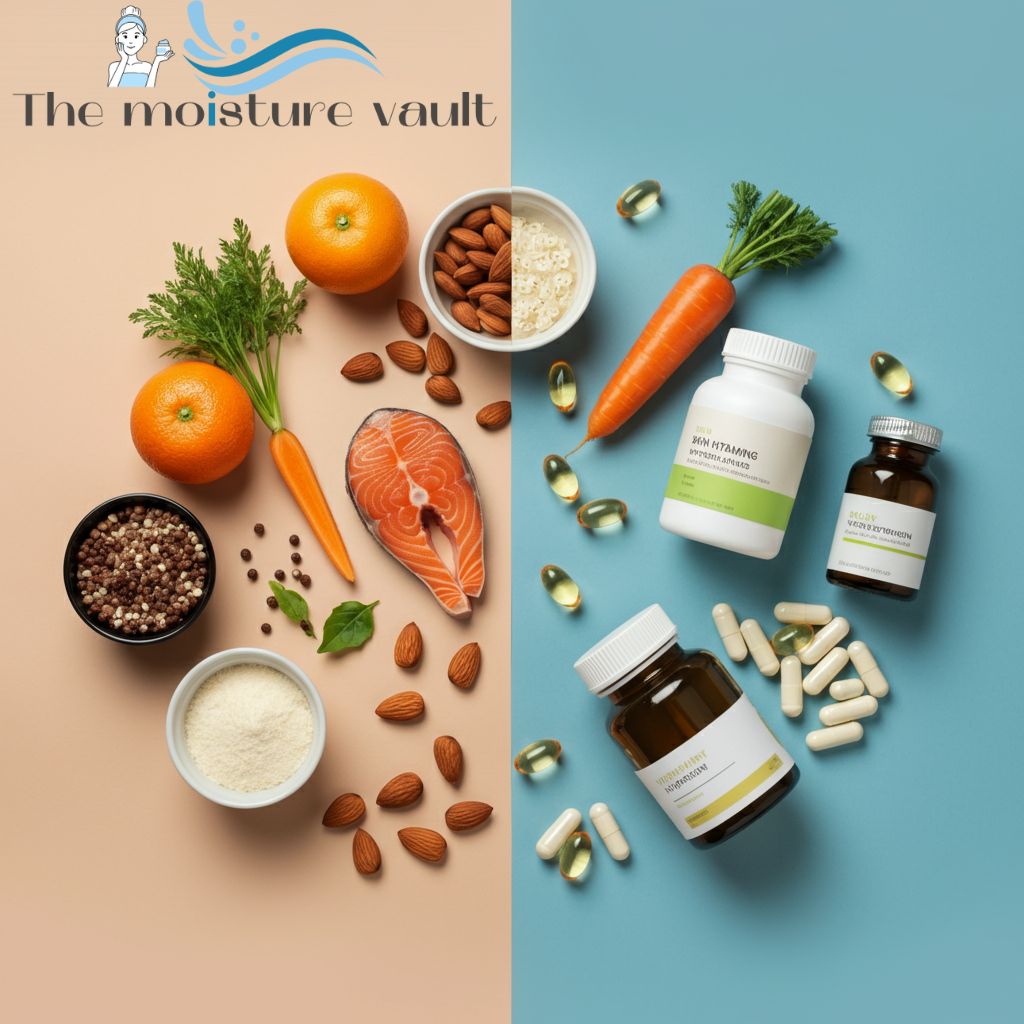
What Vitamin Is Good for Dry Skin? A Complete Guide
Common and annoying, dry skin can cause discomfort, itching, and loss of that brilliant glow. There are numerous possible causes, from environmental elements to inadequate water and an unbalanced diet. But what if something as essential as obtaining your vitamins holds a key component of the fix?
The biggest organ in your body, your skin, depends on the correct nutrition to stay flexible, moisturized, and healthy. Vitamins are vital for preserving this equilibrium since they enable your skin to hold moisture, heal itself, and stay free from damaging outside elements.
The best vitamins for treating dry skin, how they replenish water, and practical strategies to include them in your daily life are examined in this guide.

What Vitamin Is Good for Dry Skin? Let’know the Top Vitamins for Dehydrated Skin
1. The ultimate skin moisturizer is vitamin E.
It is well known that vitamin E has the potential to heal damaged skin and seal it in moisture. This powerful antioxidant simultaneously keeps the skin moisturized and battles free radicals.
How it Helps:
- It helps to moisten dehydrated skin and heal damaged skin cells.
- Strengthens the protective layer of the skin to trap moisture.
Pro Tip: For great hydration, include a vitamin E serum or cream in your evening skincare regimen.
2. Vitamin C—the collagen booster
Collagen formation depends on vitamin C, which also keeps your skin lush, moisturized, and firm. Its antioxidant qualities further guard your skin from environmental damage.
How it Helps:
- For firm and moisturized skin, it increases collagen output.
- Increases skin moisture retail capacity.
- Cleanses and revitalizes.
Pro Tip: Add a few servings of citrus fruits to your weekly diet, or use a vitamin C serum for a radiant touch.
3. Vitamin D:
Natural Sunlight Dry, flaky skin has been related to vitamin D shortages. Fundamental for general skin conditions, it helps skin cells grow and mend.
How it Helps:
- Increases the development of healthy skin cells.
- It lowers dryness and inflammation.
Pro Tip: Regular sunshine exposure or a doctor-recommended supplement will help you control your vitamin D levels.
4. Vitamin A: The Skin Cell Regenerator
The rejuvenation process of your skin depends critically on vitamin A. Renowned for its rejuvenating qualities, it promotes new cell development, therefore helping to lower dryness and flakiness.
How it helps
- Promotes skin cell renewal;
- Polishes coarse skin textures.
- Stays away too much dryness.
Pro Tip: Limit your vitamin A intake; too much will aggravate your skin.
5. Complex of Vitamins B3, B5, and B7
Retaining the hydration of your skin and lowering flakiness depend on the vitamin B family.
How it Helps:
- A kind of vitamin B3, niacinamide, strengthens the layer of skin and stops water loss.
- Vitamin B5, pantothenic acid, keeps the body moisturized and helps to lower discomfort.
- Also known as biotin, vitamin B7 maintains proper moisture content in the skin.
Pro Tip: Look for niacinamide-based skincare products to raise moisture levels efficiently.
5. Omega-3 Fatty Acids: Hydration Superheroes
Though not strictly speaking a vitamin, omega-3s are essential for skin hydration and inflammation reduction. They improve the lipid barrier of your skin, therefore enhancing its moisture retention.
How it Helps:
- Improves skin moisture from within; •
- Drops sensitivity and redness.
Pro Tip: Add foods high in omega-3s to your everyday diet or, if needed, fish oil pills.
Vitamins’ advantages for skin health
- Enhanced Hydration and Texture: The soft, silky feel of your skin results from helping to retain moisture.
- Reduced Sensitivity: Strengthens the skin barrier, therefore minimizing flakiness and irritation.
- Slay Premature Aging: Vitamins high in antioxidants help to lessen fine lines and wrinkles, two symptoms of aging.
- Improved skin resilience: increases the skin’s capacity for self-recovery against environmental stress
Sources of These Vitamins in Food

Here’s a quick guide for naturally occurring foods high in vitamins for good skin:
Best Sources of Vitamin E:
- Almonds, sunflower seeds, and spinach are the best sources of vitamin E.
- cream and oil skincare products enhanced in vitamin E.
Best Sources of Vitamin C:
- Citrus fruits, including lemons and oranges, are the best sources of vitamin C.
- Bell peppers. Strawberries.
best sources of vitamin A
- Sweet potatoes or carrots are the best sources of vitamin A
- Leafy greens, including spinach and kale.
Best Sources of Vitamin B:
- Among the best sources of vitamin B are eggs, avocados, nuts, and seeds.
The best sources of omega-3s are fatty fish and salmon. Walnuts or flaxseeds.
Aim for a balanced diet catered to your skin’s demand if you want the best outcomes.__
How might you include these vitamins in your daily regimen?
1. via diet
- For breakfast, you could make a smoothie with flaxseeds, strawberries, and spinach.
- Lunch would be avocado, leafy greens, and salmon salad.
- Snack: carrots or nuts.
2. Topical Utilizations
Adequate hydration comes from serums and skincare products enhanced with vitamins C, E, and B3; dry regions are best targeted with vitamin E oils and niacinamide-based creams.
3. Supplements
- • Always see a healthcare professional for the proper dosage;
- Search for high-quality supplements, particularly if you have food limitations or skin disorders like eczema.
For dry skin, which natural sources or supplements are a better fit?
Regarding nourishing your skin and treating dryness, your demands and situation will determine whether you should get vitamins from your diet or pills. Both methods have advantages and drawbacks; knowing these will enable you to choose the optimal one for your skin.
Vitamins from Your Diet:
One of the best methods to keep your skin generally healthy is with a well-balanced diet full of natural foods. Excellent for your skin, vitamins A, C, D, and E abound in fruits, vegetables, nuts, seeds, seafood, and excellent oils.
The following are good things about getting vitamins from food:
• Synergy in nutrition. Whole foods include combinations of minerals, vitamins, and antioxidants that could cooperate to increase the efficacy and simplicity of nutrient absorption. For instance, the body absorbs more walnuts, which are high in vitamin E, and avocados, which are a healthy source of fat.
• Not only does a diet full of different fresh foods help your face, but it also makes your overall health better, which means you won’t need as many supplements.
• Less likely to overdose: Given that it is more challenging to receive too many vitamins from natural foods, this is a safer long-term strategy.
For skin hydration, salmon and other fatty seafood supply omega-3 fatty acids and vitamin D; oranges supply vitamin C, which helps retain moisture in the skin and shields collagen.
Using supplements to address dry skin
Vitamins could be a good addition when the food you eat fails to meet the demands of your skin. Dietary limitations, some medical issues, or a need for specific minerals could all be factors influencing this.
Here are some situations when vitamins could be helpful:
- A supplement can help you get enough vitamins from food if you cannot eat some foods (such as a strict vegetarian diet) or have trouble absorbing them (such as if you have a disease that compromises your gut).
- Attention: For specific minerals, including vitamin D, which can be more challenging to receive from food alone, supplements are often indicated, especially in the winter.
- Quick Fixes: Changing what you eat may take some time to show effects, but sometimes medicines might assist right away.Omega-3 supplements might help boost skin hydration more quickly than waiting for dietary changes to begin showing effects.
When should one think about supplements for dry skin?
Examining your nutrition comes first if you have dry skin. Do you eat foods high in hydration vitamins such as A, C, D, and E? Are you including healthy fats that maintain your skin barrier—those found in fish, nuts, or seeds?
- Dietary Adjustments Are Limited: If nutritional changes are limited, think about a supplement. You cannot regularly eat meals high in essential vitamins for skin health.
- Symptoms Persist: Although your diet has changed, over a few weeks, your dry skin has not gotten better.
- You Have Particular Requests: A vitamin D pill might help someone living in low sunlight areas; for instance, vegans find it challenging to receive omega-3s from their food alone.
See a doctor or dermatologist to make sure any supplement is the best fit for you and to prevent needless or too high consumption before beginning any one. Supplements should enhance, not replace, a good diet.
Juggling Both Strategies
In the end, a nutrient-dense diet plus innovative supplements is an excellent approach for controlling dry skin. Emphasize building a foundation of healthy foods, and as needed, fill in gaps with supplements. This will help your skin to be soft, hydrated, and nutritious using the most excellent possible treatment.
Typical Errors to Avoid
- Using Vitamin-Based Products excessively A good thing too much of can annoy.
- Ignoring Hydration: Vitamins are most effective when taken in line with enough hydration. Drink 8 glasses of water per day.
- Depending only on topical treatments, vitamins have to be effective both internally and externally. Long-term effects depend on a balanced diet.
Other Advice for Control of Dry Skin
- Sipping on lots of water all day will help you stay hydrated.
- Use moderate, scent-free skincare products to avoid aggravating skin.
- Daily use of SPF will help you guard your skin from intense sun and weather.
- To keep interior moisture over winter, buy a humidifier.
FAQ
1. Can too much vitamin E aggravate skin problems?
Although vitamin E is usually safe to use within the advised dosages, too much of it from supplements may cause possible adverse effects. In certain situations, over-supplementation could lead to skin irritation, worse dryness, or even skin weakening. High doses of it can also cause systemic problems such as headaches or nausea. If you are thinking about vitamin E supplements, stick to the recommended daily allowance (RDA) and see a medical practitioner.
2. Should one take vitamin supplements? Are there any adverse effects?
Indeed, adverse effects are possible, particularly in cases of supplements that are too high. While significant levels of vitamin D could cause calcium buildup in the blood, too much vitamin A might produce dizziness, nausea, or other severe symptoms over time. Always follow the recommended dosage for supplements; additionally, consult your doctor to make sure your supplement program is safe and fit for your needs.
3. How long does vitamin improvement of dry skin take?
Your skin condition and how you include vitamins into your regimen will determine how soon you get effects. Usually reflecting in observable skin improvement, dietary changes take many weeks to be absorbed and used by your body. Although supplements could act somewhat sooner, outcomes still take 2 to 4 weeks. The best result comes from consistent food, supplements, if necessary, and skincare habits.
Concluding Notes
The correct vitamins will help tremendously if you suffer from dry skin. From the moisturizing qualities of vitamin E to the potent collagen-boosting powers of vitamin C, these vital nutrients solve the underlying causes of dryness and provide your skin with the treatment it requires.
To attain soft, brilliant skin, mix a nutrient-dense diet, focused skincare products, and good behaviors. Start with little modifications right now; your skin will thank you!
Seeking other ideas on healthily addressing dry skin?


