
what is lip moisturizer? Amazing Benefits & 2 DIY Recipes
From hydration to repair, find out what is lip moisturizer and how it can be the game-changer for smooth, healthy lips every single day!
what is lip moisturizer? A Complete Guide to Healthy, Smooth Lips
When it comes to skincare, our lips sometimes get missed. Still, among the most sensitive areas of our skin are those From. When we’re outside in bad weather or annoying situations all the time, our lips have a hard time and can get dry, cracked, and painful.
. Now, enter the unsung hero of lip care—lip moisturizer. This basic solution not only helps avoid dryness but also maintains your lips hydrated, healthy, and beautiful.
This guide is for you if you want to include better lip care into your skincare regimen or if you battle dry lips. Let’s examine what lip moisturizers are, their uses, their advantages, and even how you might create your right at home.
what is lip moisturizer? Benefits & 2 Homemade lip Remedies
Definition of a lip moisturizer
Designed primarily to hydrate, protect, and restore the fragile skin on your lips, a lip moisturizer is a skincare product. Your lips lack oil glands, unlike other parts of your skin. Hence, they cannot create natural oils to keep moist. Lip moisturizers come in quite handy here since they provide a barrier to hold moisture and shield against dryness.
- • A lip moisturizer’s primary goals are hydration and prevention of dry or cracked lips.
- • Many lip moisturizers contain components meant to help heal existing cracked or injured lips.
- • Their job is to protect your lips from things like UV rays, strong winds, and freezing temperatures.
Lip Treatments vs. Lip Moisturizers vs. Lip Balms
Although these words are used synonymously most of the time, they do have some minor distinctions:
- Lip Moisturizers concentrate on keeping your lips generally healthy and moisturizing them.
- Lip treatments address specific lip problems, like pigmentation or deep repair for dry lips that won’t go away, going beyond their essential nature.
- Lip balms are thicker and primarily meant to protect the lips, so they lock in hydration.
what is lip moisturizer? Benefits & 2 Homemade lip Remedies
advantages of using lip moisturizer
1. Stovers dryness and chapping.
Not only unpleasant, dry lips can cause pain and even bleeding or peeling. Lip moisturizers hydrate your lips, preventing dryness and related pain.
2. Safes Lips from Environmental Damage
Lips are pushed by many outside forces, such as the hot sun, the cold winter winds, and even heating systems that dry out the lips.
. Many lip moisturizers feature SPF and other preventive elements to guard your lips from such harm.
3. improves lip look
Not only feel great, but soft, smooth lips also look better and more healthy. Lip moisturizers smooth and moisten your lips, therefore enhancing their look.
4. Lessens Cracking and Peeling’s Uncomfort
Simple chores like smiling, eating, or speaking can be awkward with chapped lips. A good lip moisturizer reduces swelling and speeds up mending, which makes the pain less severe.
5. Fight Early Aging
Environmental aggressors and UV rays exposure all the time might cause small wrinkles around the lips. Antioxidant lip moisturizers with SPF can slow down aging’s symptoms.
Essential components in lip moisteners
Knowing the significant components of a lip moisturizer helps one choose one that is effective.
• Shea Butter: One rich natural fat with great moisturizing and soothing qualities is shea butter.
• Coconut Oil: Soft and smooth lips result from intense hydration and moisture locking in action.
• Glycerin: A humectant drawing moisture from the air into your skin.
Shielding Components:
• Beeswask: seals in moisture and forms a protective layer on the lips.
• Petrolatum: A compelling component serving as a hydration retention barrier.
• Lanolin: Especially in severe weather, this super-protective agent is well-known.
Options Natural vs. Synthetic:
Many natural lip moisturizers have natural ingredients like shea butter and beeswax. Synthetic lip moisturizers, on the other hand, may contain silicone-based chemicals like petrolatum.
. Both kinds function well; hence, your decision will depend on your skin type and personal preferences.
How to Choose the Best Lip Moisturizer for Your Needs
Given the abundance of choices available, choosing the ideal lip moisturizer can feel taxing. Here’s how to choose the one most fit for your circumstances:
Examining your skin type and sensitivity
Look for fragrance-free, hypoallergenic products if you have sensitive lips to prevent aggravation. For most sensitivities, hydrating components such as glycerin or shea butter do nicely.
1. Search for SPF cover.
If you spend time outside, a lip moisturizer, including SPF protection, is not negotiable. Sunburn can strike your lips just as quickly as it does anywhere else on your skin.
2. Steer clear of nasty additives.
Avoid lip moisturizers that contain artificial colours, alcohol, or scents that are made in a lab. These ingredients can dry out or irritate sensitive skin.
3.Choose Multi-functional Products
Some lip moisturizers hydrate and heal, as well as offer subdued colours for maximum appeal or anti-aging properties.
Lip Moisturizer Recipes Made at Home
what is lip moisturizer? Benefits & 2 Homemade lip Remedies
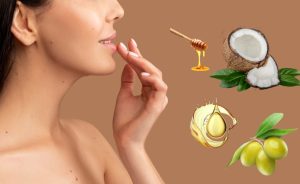
Making homemade lip moisturizer is simple and fun if you want to save some money and enjoy the concept of utilizing all-natural products!
Recipe 1: A straightforward coconut oil lip salve ingredient is
• Two teaspoons coconut oil;
• one teaspoon of beeswax pellets;
• one teaspoon of shea butter
guidelines:
• In a heatproof bowl set over a double boiler, melt the beeswax and shea butter.
• Whirl in the coconut oil until well blended.
• Pour into a little container and let it chill before usage.
Recipe 2: Olive Oil Lip Balm plus Honey
Ingredients:
• one teaspoon honey;
• one tablespoon olive oil;
• one teaspoon grated beeswax;
Directions:
• Under a double boiler, gradually melt the beeswax.
• Stir in the honey and olive oil still heated.
• Pour into a pan or container; let set.
Advantages of homemade lip moisturizer:
• Customizable: Tinct it with a bit of natural beetroot powder or add your preferred essential oils for scent or tint.
• Natural: You control exactly what enters into your creation.
• Economically sensible: Creating your lip moisturizer costs a fraction of store-bought options.
Guidelines for Correct Lip Moisturizer Use
Correct use of lip moisturizer guarantees the highest efficacy. Here’s how to subtly include it into your daily schedule:
- Use morning and evening.
First thing in the morning and before bed, apply a lip moisturizer. Mornings protect your lips all day and nightly application aids with hydration and repairs as you sleep.
- Reapply all day.
Putting on lip balm again and again every few hours will help keep your lips moist, especially after eating or drinking. To keep your skin moist for a long time, look for items with occlusive ingredients like lanolin or petroleum jelly.
- Layer During Your Skincare Program
To lock hydration, top cleaning is done, and facial creams or serums are applied with a liberal coating of lip moisturizer.
- Use prior lipstick.
If you wear lipstick, start with a lip moistener to avoid dryness. The moisturizer will soak in five to ten minutes; wipe with a tissue to prevent a slick surface.
- Hydrate internally.
Drinking plenty of water aids in general hydration. While augmenting with outside moisturizers, make sure you’re internally hydrated.
- Prevent over-licking or over-scrubbing.
Although periodic exfoliation of your lips is beneficial, too frequent exfoliating might irritate you. To calm and restore, pair scrubbing with lip moisturizer.
Following these rules will help you to keep your lips healthy over time and make sure they feel fantastic right now.
Conventions Regarding Lip Moisturizers
Given that lip care is vital to many, it is not surprising that there are numerous myths and misunderstandings surrounding it. Here is the reality behind some often-shared tales:
First mythology: “Lip Moisturizers Make Your Lips Dependent.”
This myth holds that once you begin using lip moisturizer, your lips “forget” how to moisten themselves. The fact is that lips lack oil glands on which to depend; they cannot create moisture on their own. Lip moisturizers balance something your lips naturally lack, not cause dependency.
Second mythology: “Natural Products Are Always Better”
Not all “natural” products are better, even if natural components like beeswax wax or cocoa butter can be beneficial. For instance, often promoted as natural, menthol and camphor can aggravate delicate lips. Always check labels and select items that fit your particular requirements.
Third mythology: “Petroleum Jelly Dries Out Your Lips”
Working as an occlusive, petroleum jelly locks in moisture rather than providing hydration. For best effects, if your lips are already dry or cracked, couple it with a moisturizing ingredient like aloe vera. Dryness is not caused by petroleum jelly per such.
Fourth myth: “Lip Moisturizers Should Be Used Only in Winter.”
Winter brings dry air and chapped lips; summer sun exposure can also lead to dryness. A year-round need, regardless of the season, is lip care.
Knowing these misconceptions guarantees that you are confidently and wisely choosing how to use lip moisturizers.
Importance of a Consistent Lip Care Routine
Maintaining soft, healthy lips all year long depends on consistency, as with any skincare routine. As part of your skincare regimen, apply your lip moisturizer morning and night; reapply during the day as needed, particularly in dry or harsh conditions.
FAQ
Here are responses to some of the most often-asked concerns on lip moisturizers:
1. Can lip moisturizers treat really cracked lips?
Sure! Choose goods with therapeutic components such as hyaluronic acid, shea butter, or lanolin. These components greatly moisturize and support the rebuilding of the natural lip barrier. See a dermatologist for specific treatments for severe conditions.
2. Are lip moisturizers safe for children?
Although most lip moisturizers are appropriate for kids, it’s better to pick hypoallergenic, fragrance-free lotions meant for sensitive skin. Find age-appropriate advice on the label.
3. How often should I reapply lip moisturizer?
Reapply every two to three hours, especially after eating or drinking or in severe weather. Generally speaking, though, administering it more often, if necessary, has no adverse effects.
4. Are cold sores prevented by lip moisturizers?
While lip moisturizers cannot stop cold sores, maintaining the hydration of your lips could help to prevent irritation and cracking that might set off an outbreak.
5. Is there a difference between lip balm and lip moisturizer?
Although the words are sometimes used synonymously, lip balms are usually protective—that is, they create a barrier. Conversely, lip moisturizers often include components that not only provide a protective barrier but also add hydration.
6. Should I stop using a lip moisturizer if I start to tingle?
Should a lip moisturizer produce tingling, it could include menthol or camphor, which some individuals find irritating. Turn to a hypoallergenic, fragrance-free recipe.
7. How can I decide which lip moisturizer is best?
Search for items catered to your requirements. Select one, including hyaluronic acid or shea butter, for great hydration. Select items with SPF for sun protection.
Last Notes
A little but vital component of self-care is lip moisturizers. They ensure your lips feel their best, regardless of the season, and help to prevent dryness and improve their appearance. Finding one that fits you is simple and enjoyable, with so many choices ranging from store-bought selections to do-it-yourself recipes.
Beginning today, start giving your lip care priority. See our best suggestions or try one of our homemade recipes if you’re seeking the ideal lip moisturizer. Just a step away are healthy, hydrinated lips!


