
When to Use Vitamin C Serum and Hyaluronic Acid: best guide

When to Use Vitamin C Serum and Hyaluronic Acid in Skincare Routine
Starting a brilliant, healthy skincare regimen usually helps one achieve this. Two potent substances that have found their home in many skincare routines are hyaluronic acid and vitamin C serum. Though their great benefits are appreciated, their time of use makes them equally essential for the most outstanding results as the items themselves are.
This book will walk you through all you need to know if you have been wondering how and when to include these elements in your program, thereby optimising their remarkable advantages.
Before knowing when to use Vitamin C Serum and Hyaluronic Acid in a Skincare Routine, let’s describe them.
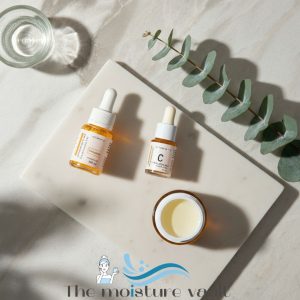
Describe Vitamin C Serum.
A popular skincare product with purportedly anti-aging and brightening qualities is vitamin C serum. Derived from strong, antioxidant-rich Vitamin C, this serum works magic to enhance the general skin condition and look.
Vitamin C Serum’s advantages are:
- Brightening Effect: Dullness and hyperpigmentation diminish for skin with more equal tones.
- Anti-aging Effects: Encouragement of collagen-building helps to diminish fine lines and wrinkle appearance.
- Antioxidant Protection: Early aging is delayed by shielding the skin from toxins and free radicals generated by UV radiation.
Most skin types can benefit from vitamin C serum, but those with dull, uneven skin tones or those looking for anti-aging treatments can benefit significantly from it. To prevent aggravation, sensitive skin types should start with a relatively mild concentration.
How It Works in Your Routine:
Penetrating the layers of your skin, vitamin C serum works to brighten and shield your skin from environmental damage.
Definition of hyaluronic acid
Naturally occurring in the skin, hyaluronic acid is a molecule that draws moisture and helps cells retain water. Many skincare products have hydrating and plumping qualities as main ingredients.
Hyaluronic acid’s advantages
- Strong hydration from hyaluronic acid draws and seals in moisture, therefore preserving skin hydration all day.
- Plumping Effect: One minimises the look of fine lines and wrinkles by plumping the skin.
- Corrects the skin’s natural moisture barrier, improving its resilience.
Suitable for all kinds of skin:
Among the most adaptable skincare ingredients available, hyaluronic acid is safe for all skin types, including the most sensitive.
Common Misconceptions:
To prevent aggravation, sensitive skin types should start with a more subdued concentration.
Though many think hyaluronic acid exfoliates the skin, its function is only to hydrate and heal. Hence, it is a non-irritating, mild solution for everyone.
When to Use Vitamin C Serum and Hyaluronic Acid
Essential differences between vitamin C serum and hyaluronic acid
Although both vitamin C and hyaluronic acid enhance your skincare, their purposes are distinct, and they interact differently with your skin.
|
Feature |
Vitamin C Serum |
Hyaluronic Acid |
| · Purpose
|
Corrects environmental damage and brightens skin.
|
Maintaining and enhancing the moisture barrier
|
| · Effect on Skin
|
Lessens fine wrinkles and dark patches.
|
Boosts skin plumpness and texture.
|
| · Compatibility | Perfect when paired with sunscreen
|
Highlights most serums and creams.
|
When to Use Vitamin C Serum?
The efficiency of your Vitamin C serum for your skin will depend much on timing and technique.
Perfect Time of Day to Apply:
If one wishes for an optimum advantage, the first thing to do in the morning should be to take vitamin C serum. By way of antioxidant properties, this helps shield your skin from UV light all day long and environmental contaminants.
Where in your routine might this fit?
- First, use vitamin C serum right after washing the skin before moisturizing. This ensures efficient serum penetration of the skin.
- Since vitamin C serum increases the sensitivity of your skin to sunlight, always use it along with a broad-spectrum sunscreen during the day.
- If you have never taken vitamin C before, start with a lower dose—10–15%—to ease pain.
When to Use Hyaluronic Acid
Whether morning, evening, or both, hydration is vital, and hyaluronic acid is your go-to for maintaining plump and healthy skin.
Peak Time of Day to Apply:
Depending on the moisture demand of your skin, hyaluronic acid can be taken in the morning and evening.
Where in your routine might this fit?
Apply hyaluronic acid on moist skin after cleaning, before adding a serum or moisturiser. This allows it to lock in the water, therefore improving its hydrating ability.
Ideal for skin that is either dry or dehydrated:
Twice a day, hyaluronic acid can help restore your skin’s moisture content, thus improving its general texture, whether it feels dry or tight.
If you are new to vitamin C, start with a lower concentration—10–15%—to help minimise irritation.
Hyaluronic acid and vitamin C serum together:
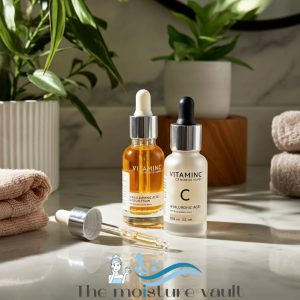
When to Use Vitamin C Serum and Hyaluronic Acid in Skincare Routine
The good news is that hyaluronic acid and vitamin C serum may and should be used together; they enhance one another rather nicely.
How to Layer Them:
- Start with clean, damp skin.
- Apply hyaluronic acid to lock in moisture.
- Follow with your Vitamin C serum.
- Finish with a moisturizer to lock in all the brilliance.
Advantages of combining them:
Hyaluronic acid guarantees your skin is plump and moisturised, improving the brightening properties of Vitamin C.
While hyaluronic acid keeps your skin resilient, vitamin C guards it from environmental aggressors.
Errors to Steer Clear of:
- Steer clear when applying vitamin C serum to damp skin since high water content could compromise its efficacy.
- Before introducing the following product, always let every layer be absorbed entirely.
More Advice for Best Results
Use these ideas to get the best from these components.
Choose the Right Formulations:
- Look for L-ascorbic acid in Vitamin C products as the most effective form.
- For more profound skin penetration, choose low molecular weight hyaluronic acid.
Test for Skin Sensitivity:
- Perform a patch test on a small area of your skin before completing the application.
Be consistent:
Skincare is an investment over the long run. Use these goods every day and stay dedicated to your program to get apparent changes over time.
Frequently Asked Questions (FAQ)
Q. 1 Can you use vitamin C serum and hyaluronic acid every day?
Indeed, both can be gently included in your everyday skincare regimen. Use hyaluronic acid in the morning and/or evening; vitamin C first thing in the morning.
Q.2 Does mixing these products have any adverse effects?
Used together, both components are usually safe. If you have redness or sensitivity, think about lowering the frequency of vitamin C application.
Q.3 Which skincare products complement hyaluronic acid and vitamin C serum?
Vitamin C goes nicely with hydrating moisturisers and sunscreen. Hyaluronic acid works efficiently with practically all products, including niacinamide and retinol.
Conclusion
Skincare must-have products are good for a reason: vitamin C serum and hyaluronic acid produce excellent benefits when applied right. Maximising the advantages of these components depends on knowing their roles and when to include them in your regimen.
Apply hyaluronic acid first for hydration; next, for protection and brightness, follow with vitamin C serum. Taken together, they will leave your skin radiant, moist, and ready for the day.
See your skin; it’s the face you present to the world. Using the correct schedule will thank you for years.


