
Is Jojoba Oil a Carrier Oil? benefits, uses & more
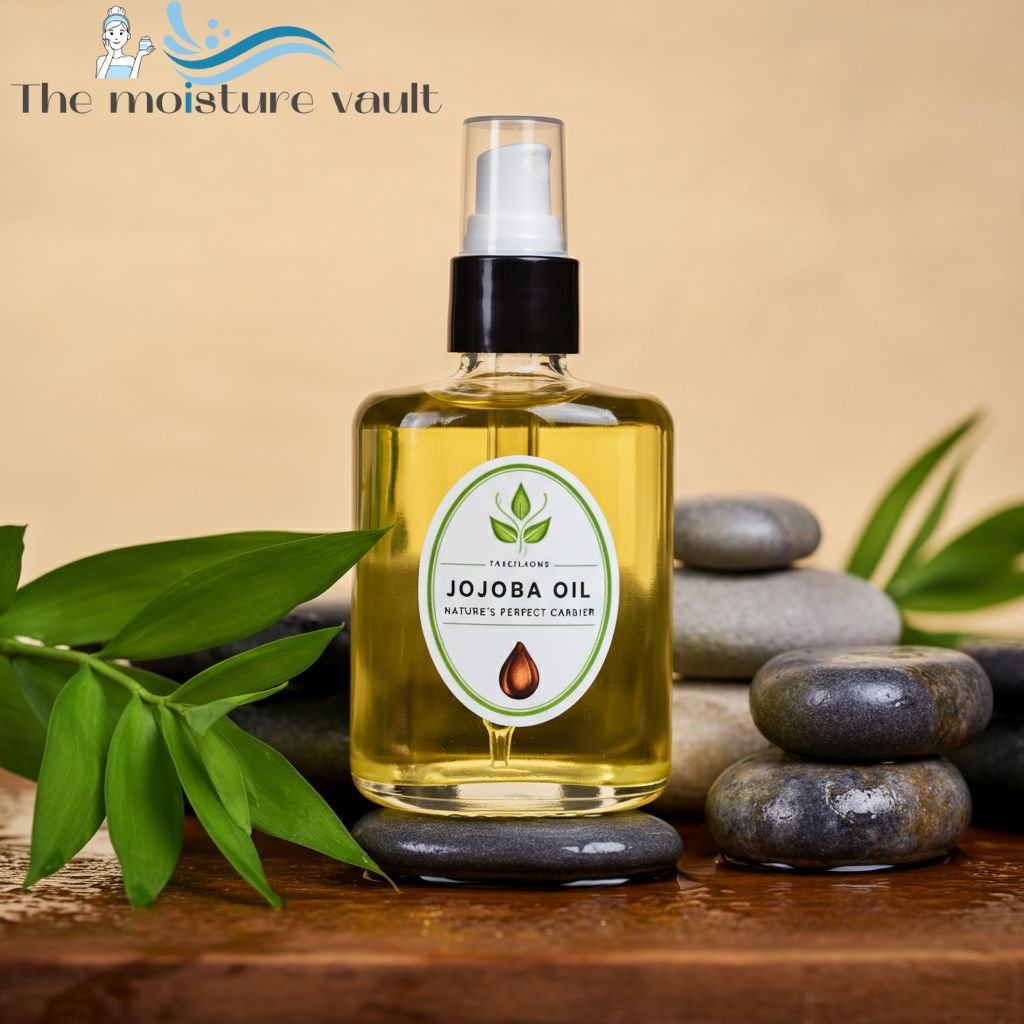
Is jojoba oil a Carrier Oil? All You Need to Know
Is your essential oil routine missing something? Direct use of essential oils on your skin could be causing more damage than benefit. Carrier oils are beneficial as, if one wishes to treat the skin safely, essential oils are potent and must be diluted. However, not all oils are made equally; hence, picking the correct one could either enhance or ruin your aromatherapy or skincare experience.
Among natural health enthusiasts and skincare enthusiasts, jojoba oil creates a lot of buzz. Is jojoba oil, then, a carrier oil? And if so, why is it unique? Discover the facts, learn the benefits, and discover the different ways you may include this super oil in your life by continuing to read.
Is jojoba oil a carrier oil? First Let’s describe both
What is a carrier oil?
Let’s look at what carrier oil is before jumping to conclusions about jojoba oil.
Carrier oils—vegetable oils that are used to dilute the essential oils—enable their safe application to the skin. Undiluted essential oils can irritate or react if applied directly. Carrier oils essentially “carry” the essential oils, diluting them so they are less concentrated while spreading their sound properties.
Common Characteristics of Carrier Oils
- Non-volatile (do not evaporate like essential oils do).
- Soothing and kind to the skin.
- Usually either cold-pressed or derived from nuts, seeds, or kernels.
- A neutral scent so as not to overpower the essential oils.
Examples of carrier oils usually used are grapeseed, sweet almond, and coconut oil. What about jojoba oil? Read on!
What is jojoba oil?
Of all the vegetable oils, jojoba is the most unique. Its name seems to be a contradiction:
The jojoba bush (Simmondsia chinensis) grows in dry places like Mexico and the American Southwest. Its seeds are used to make wax oil.
Jojoba oil has a very special mix of chemicals that makes it very similar to the oil that our skin naturally makes, called sebum. Dry, oily, or sensitive, this combination is close to any skin
Unique Characteristics of Jojoba Oil:
- Non-comedogenic—not pore-clogging.
- Quickly absorbed, it leaves skin moisturized with no lingering heavy residue.
- Vitamins E and fatty acids are full of antioxidants; they are abundant.
- The stable composition makes it resistant to rancidity and gives it a long shelf life.
Now, we return to our central question: Is jojoba oil a suitable carrier oil?
Is jojoba oil a carrier oil?
The short answer is YES. Oils like jojoba serve as carriers. It is excellent for diluting essential oils because it is non-irritant and it moisturizes.
For all the requirements of a carrier oil, jojoba oil satisfies:
- Moisturizes and calms the skin without making it red or irritated.
- The smell of essential oils is light and sweet, not strong.
- No oil Texture: Quick absorption makes sure there is no sticky material left over.
- Stable Composition: The product is stable, easy to use, and has a long shelf life.
When you use jojoba oil, the essential oils stand out the most. This is true whether you’re making a serum to refresh your face or a massage oil to calm you down.
Why using jojoba oil as a carrier is a good idea
Wondering why jojoba oil is at the top of the list.
Here are its most significant benefits as a carrier oil:
- Improved Hydration
Jojoba oil is quite powerful in preserving moisture since it resembles the natural oils in your skin. It leaves the skin balanced and fed without making one feel greasy.
- Non-greasy, quick absorption
Jojoba oil is an excellent choice for all skin types, including skin prone to acne, since it dissolves fast into the skin without clogging pores, unlike heavier oils.
- Long Shelf Life
Unlike the majority of other oils, jojoba oil will not readily become rancid or spoiled. Its excellent stability removes the concern about your blends becoming too quickly outdated.
- Strengthens Essential Oils
Jojoba oil provides maximum delivery of essential oils by strengthening their penetration into the skin.
- Versatile Compatibility
From soothing lavender to peppermint’s zing, it mixes well with a variety of essential oils.
Jojoba oil is also a carrier oil.
Skin compatibility and friendliness of jojoba oil have earned it the status of an excellent carrier oil for some other uses.
Jojoba oil may be used as a single generic product or as a blend with other oils for the following:
- Fragrant Oils: Diluting
It is simply necessary to dilute essential oils used in aromatherapy, skincare, or massage with a carrier oil such as jojoba oil.
- For Skin Applications
Mix a tablespoon of jojoba oil and one to two drops of essential oil—teach lavender or tea tree oil. This is safe to use and skin-irritation-free.
- France Massage:
For a soothing massage, toss two tablespoons of jojoba oil and add ten to fifteen drops of your favourite essential oils.
- Base Skincare
Jojoba oil is the perfect base for homemade skincare products:
- To apply face serums or cleansers, blend them with essential oils.
- It serves as a carrier while making natural hand creams or lip balms;
- Put a few drops on dry skin to moisturize or ease irritation.
- Scalp and hair treatments
Peppermint or rosemary essential oils can be mixed with jojoba oil to make a mixture that will help hair grow and massage your head.
. Both oily and dry scalps are safe, and the sebum-mimicking quality of jojoba oil normalizes the scalp’s oil production.
- Aromatherapy
You can make an excellent aromatherapy roller or massage oil by mixing jojoba oil with calm essential oils, like sandalwood or chamomile.
- Makeup Remover
Jojoba oil is a gentle, effective method for removing makeup that is also healthy for your skin. A few drops of lavender or frankincense essential oil will benefit your face even more.
Which carrier oil is preferable—jojoba or another?
Your specific need and preference will decide the “best” carrier oil. For some applications,
However, jojoba oil is the best choice:
- Because it doesn’t clog pores, jojoba oil is better for people with acne or sensitive skin than heavy oils like coconut oil.
- Jojoba is also a simple choice for customers who want long-lasting carrier oil since it lasts long.
- Its sebum-like nature benefits the hair and scalp treatments.
If you are starting with carrier oils, then jojoba oil is a good place to begin with its versatility and number of actions.
Jojoba Oil in Comparison to Other Carrier Oils
How does jojoba oil differ from popular carrier oils like coconut or almond oil?
| Feature | Jojoba Oil | Coconut Oil | Almond Oil | Grapeseed Oil |
| Comedogenic Level | Low (won’t clog pores | Medium | Medium | Low |
| Absorption | Fast | Moderate | Moderate | Fast |
| Shelf Life | Long (stable) | Short | Moderate | Short |
| Scent | Light, nutty | Sweet, coconutty | Nutty | Neutral |
Jojoba oil is an excellent choice for a variety of purposes since it combines non-greasy texture, toughness, and adaptability.
Advice Regarding Jojoba Oil Use
Although jojoba oil is generally safe, one should always exercise some care:
- Do a patch test before using jojoba oil or any new essential oil combination, especially if you have sensitive skin.
- Avoid using jojoba oil; it should only be used outdoors.
- It should be kept dark and cool to maintain its quality.
Conclusion:
Jojoba oil is a pioneer in the field of carrier oils and is more than just a skincare necessity. Its unique features, compatibility with a wide range of essential oils, and other benefits make it a necessary item for anyone who likes both aromatherapy and skincare.
If you have never used jojoba oil before, now is the perfect time to give it a try. Try some homemade dishes, including it into your preferred essential oil combinations, and discover the wonder of this flexible oil.
Seeking more inspiration? See our blog for additional natural skincare and essential oil advice and techniques. Remember to leave comments below, including your preferred jojoba oil combinations!
FAQs About Jojoba Oil
Question 1: Is jojoba oil okay for sensitive skin?
Answer: Of course! Because it is gentle and heals, jojoba oil is suitable for people with sensitive skin. It is less likely to cause an allergic response or pain because it looks a lot like human sebum. It also doesn’t clog pores because it’s not comedogenic. Yet, to be safe, you should always test a new skincare item on a small part of your skin first.
Question 2: Can you use jojoba oil undiluted?
Answer: Yes, jojoba oil is safe to use undiluted. Because it is a carrier oil, it should be mild when applied straight to your skin. In contrast to essential oils, it works miraculously without any added substances. Use it alone as a moisturizer, hair treatment, or makeup remover.
Question 3: What essential oils complement jojoba oil well?
Answer: Jojoba oil compliments a wide range of essential oils, enhancing their advantages. Popular essential oils include lavender, tea tree, eucalyptus, and chamomile. Combining jojoba oil with chamomile or lavender can help calm the skin. A few drops of tea tree oil may be pretty beneficial for acne-prone skin. Always dilute essential oils thoroughly before applying them to your skin.
Question 4: How can I ensure that my jojoba oil stays fresh?
Answer: Jojoba oil is best kept in a cool, dark place away from direct sunlight if you want it to retain its freshness and aesthetic value. Use tightly sealed bottles to avoid oxidation. Jojoba oil has a two-year shelf life if kept in the correct conditions.


